Written by Isaiah Banda
April marks the move of our safari times to winter times, which gives guides and guests another hour of sleep before they wake up for their safari. We have had a sensational start to 2024 here at Mabula Private Game Reserve with some truly exceptional wildlife sightings over the past several months. However, from the rain perspective we have not been blessed enough until the end of April. Waterholes, gullies and vlei areas have been dry with not much wildlife and birdlife.
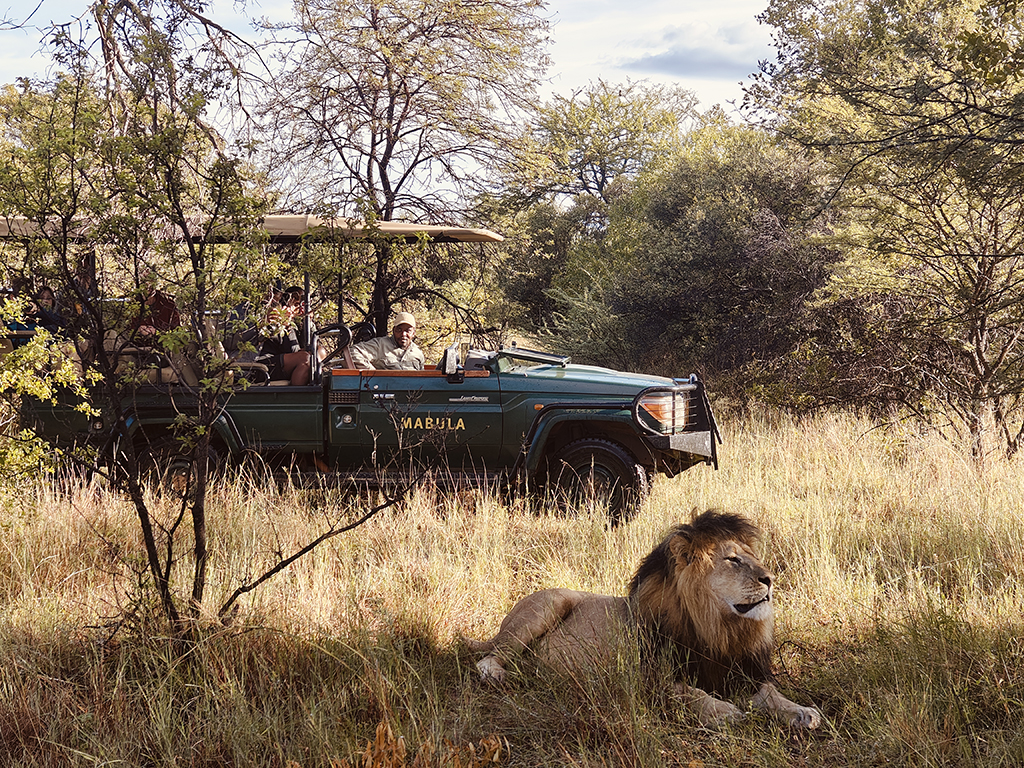
Morning and evening safaris have been just as eventful with giraffes, elephants, buffaloes, cheetahs, and many general game activities around the plains on the reserve and incredible lion’s sightings occupying Lake Kyle territory just south-east of the reserve. With the dry season slowly approaching, we expect to see even more wildlife activity over the coming months. As winter approaches, with no perennial river sources on the reserve, flora drop their leaves, creating ideal conditions for exceptional game viewing.
What makes this time of year at Mabula Private Game Reserve so appealing to so many? Well, a few things are at play. The warm summer temperatures have dropped to the point that in the early mornings, a fleeced jacket is essential while, in the evenings, a roaring fire draws our guests to its warmth. The summer rains, for the most part, are a thing of the past, yet the landscape still holds a lush, green vibrancy that complements the long rays of the sun at dusk and dawn.
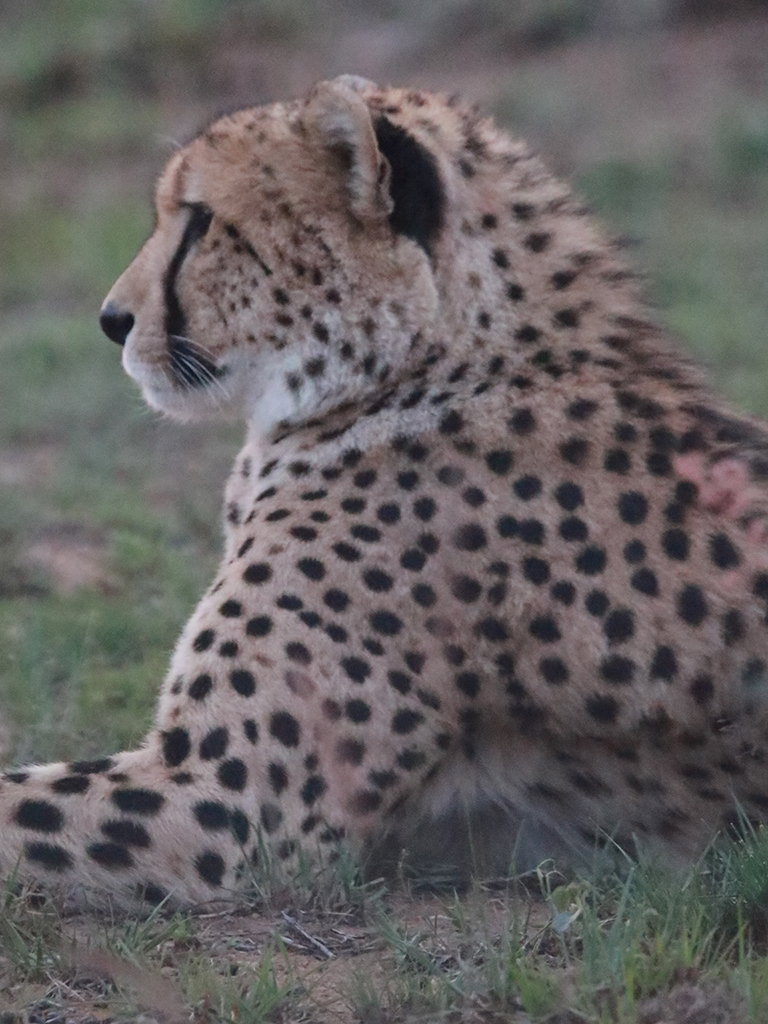
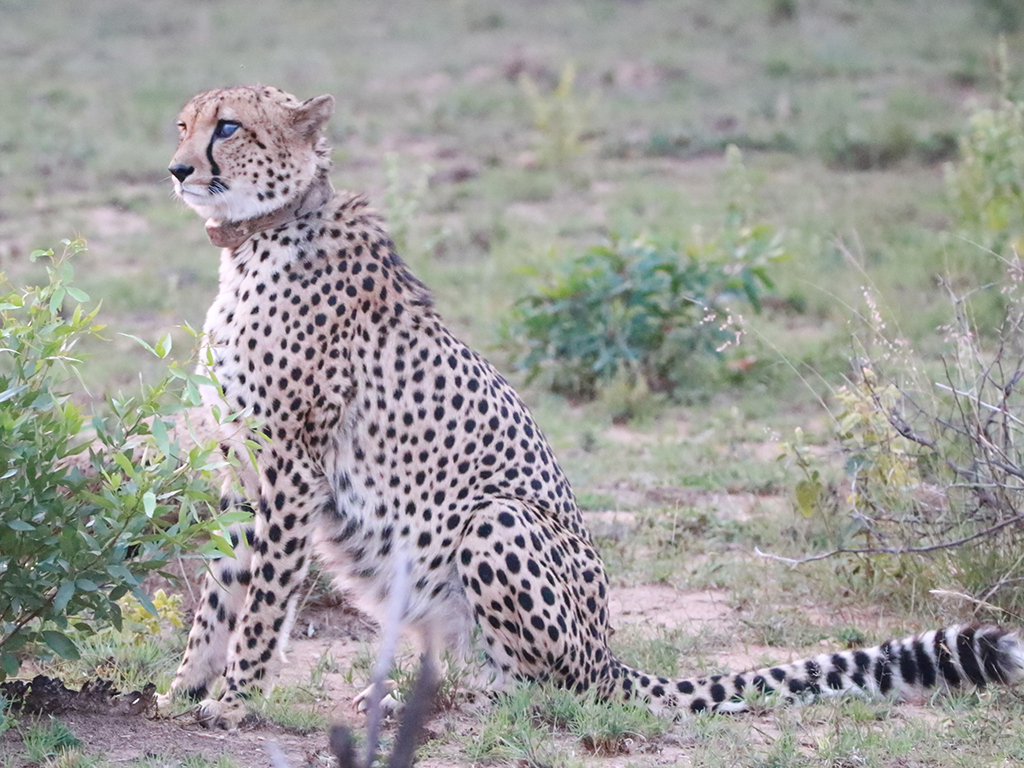
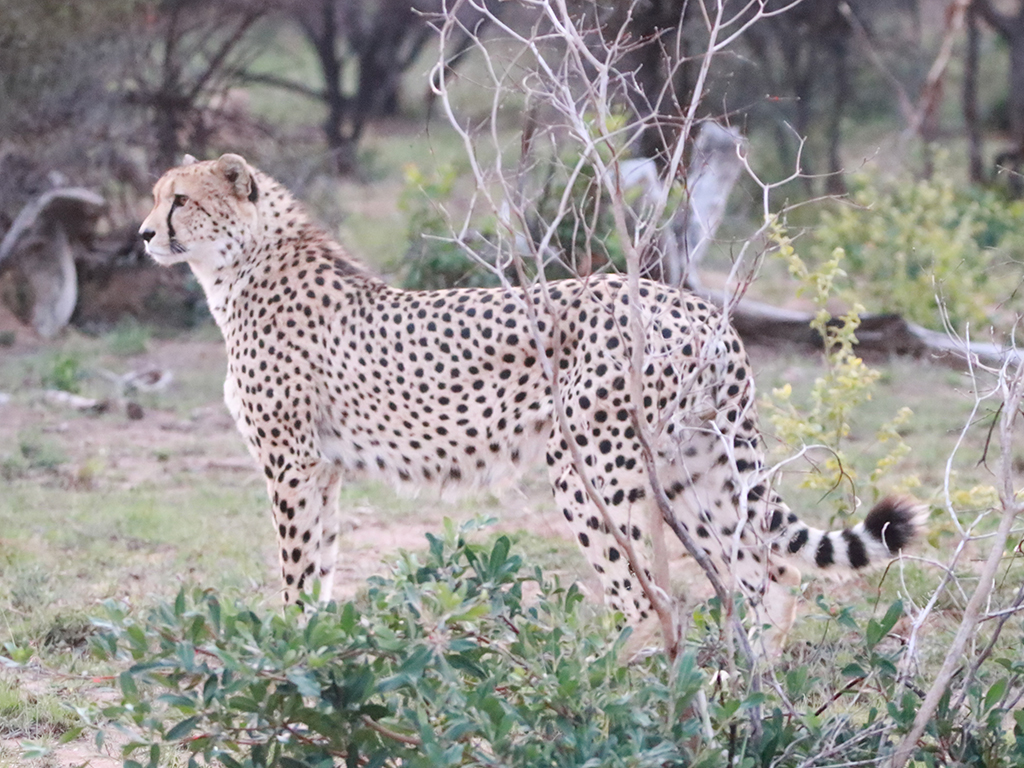
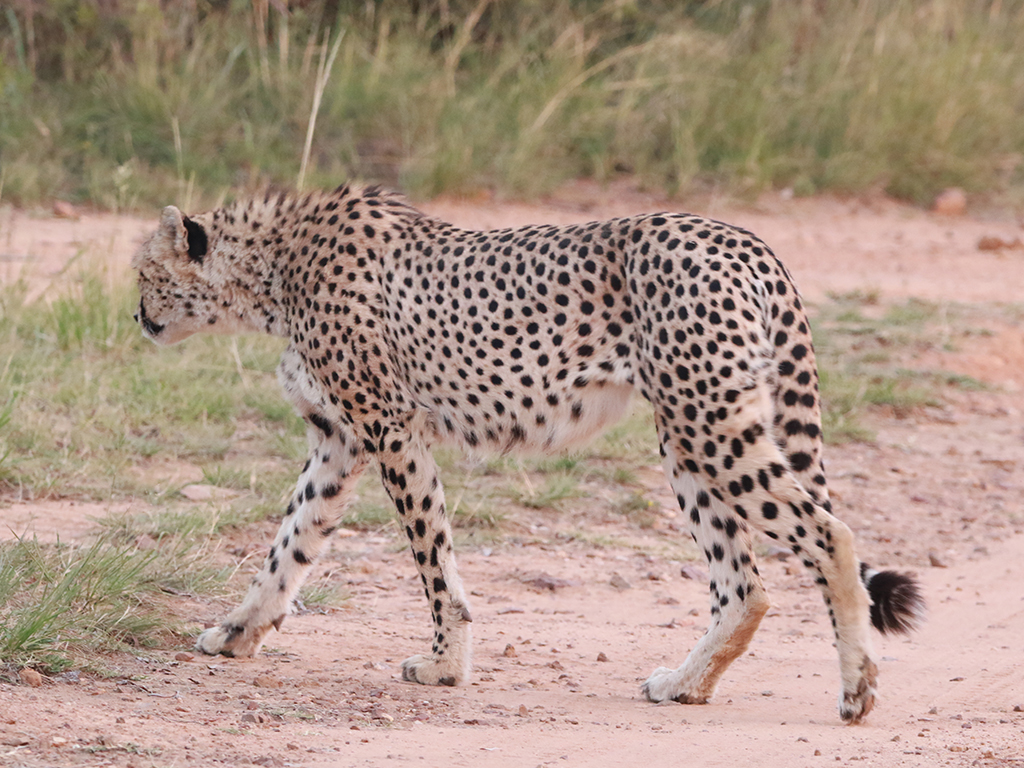
One of the most graceful of all the Mabula cats is the cheetah, it is the fastest mammal on the reserve and one of the few cat species which relies on speed instead of stealth when hunting. Compared to last month sightings, we have had lot of improvements, and guests enjoying some amazing sightings.
The cheetah serves a special role in its ecosystem. Cheetahs are one of the most successful hunters on the savanna but their kills are very often stolen by larger carnivores or predators that hunt in groups. Predators play an important role in any ecosystem, they keep prey species healthy by killing the weak and older individuals.
They also act as a population check which helps plant-life by preventing overgrazing. Without predators like the cheetah, the savanna ecosystem in Mabula would be very different and the current ecological trend toward desertification would be accelerated.


How did the buffalo earn the title Black Death
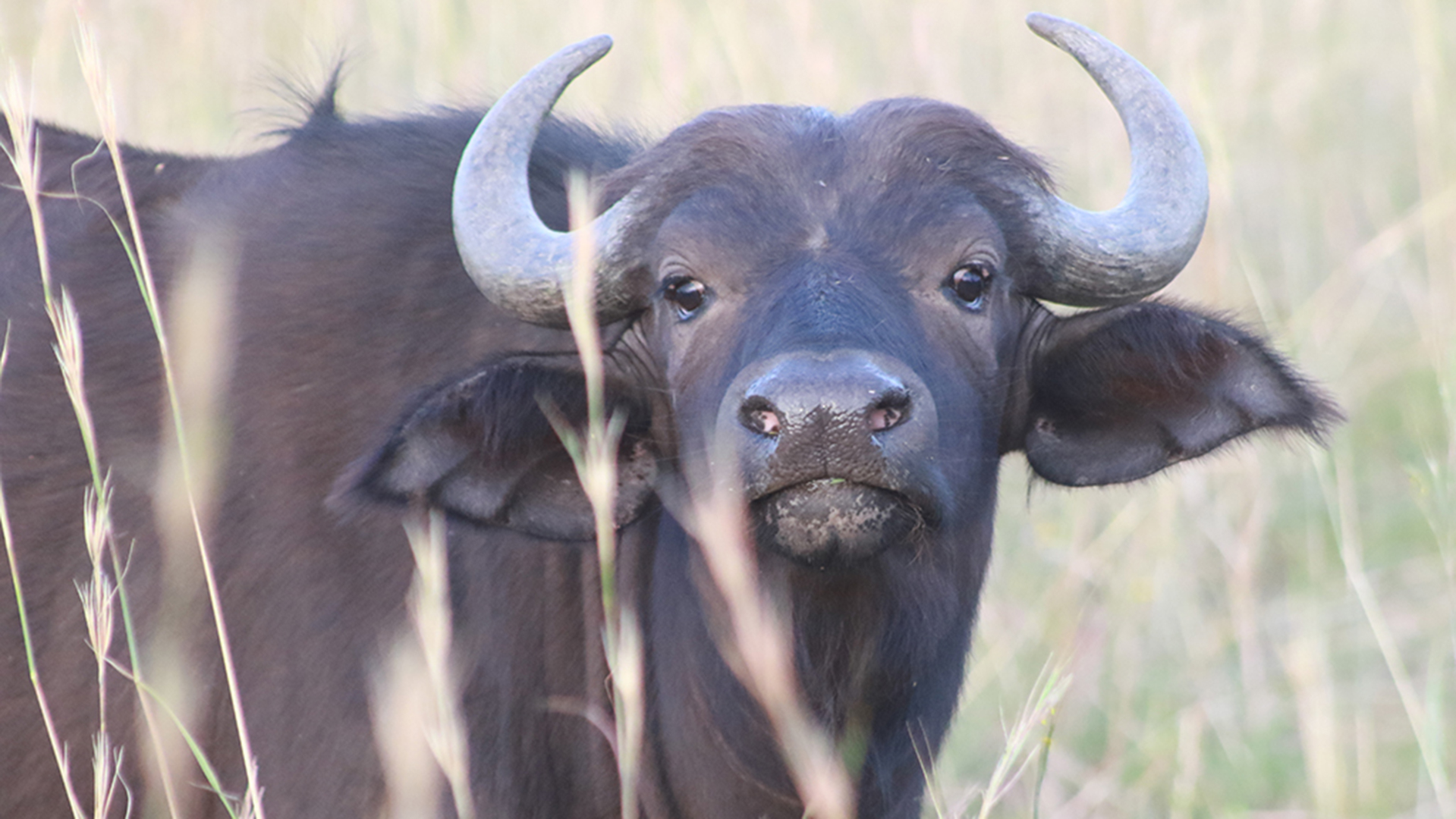
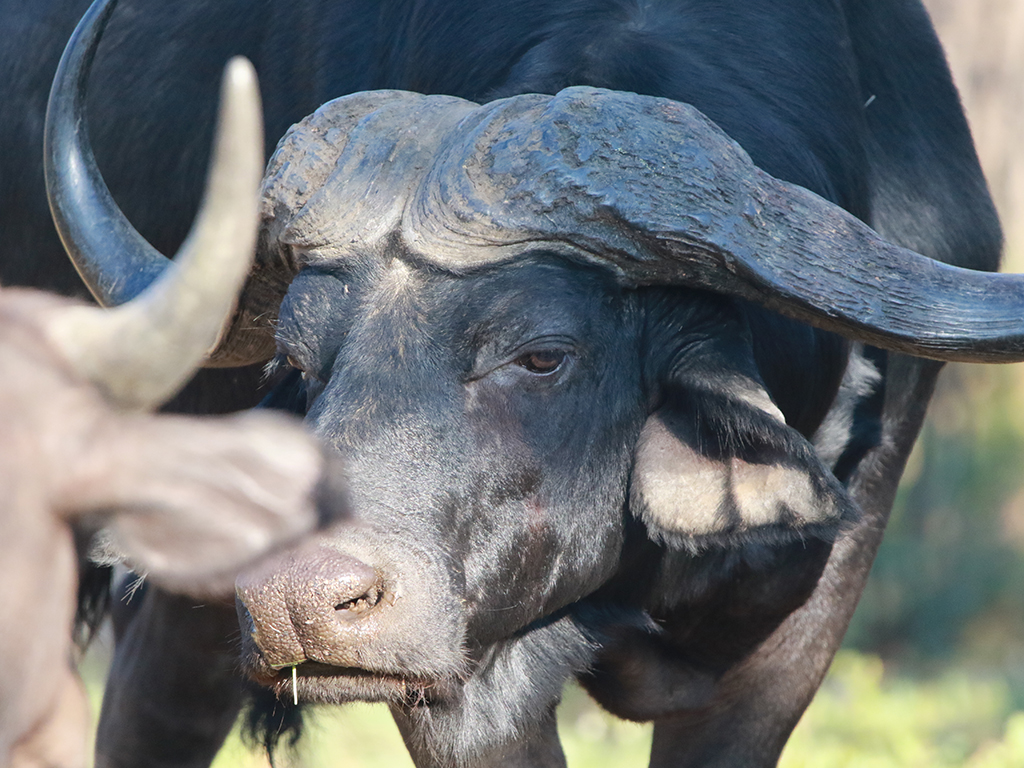
The African buffalo is a heavy, cattle-like mammal with massive horns. We refer to old male buffalo as “dagga boys” and they are known for their strong-willed, stubborn and resilient characteristics. If you could ask a lion how difficult it is to take one down, I’m almost certain it would say something along the lines of, “It takes guts to take a buffalo by the horns. Literally.”
Buffaloes have good memories, we can see from the way they look at you, they can hold a grudge and wait for their opportunity to charge as soon as they get a chance. It is because of this tenacity and aggression that buffalo have earned a name for themselves as the “Black Death”. The highest level of danger is when a buffalo is wounded or cornered, but I still wouldn’t want to bump into even a placid buffalo on foot.
I still remember when I arrived here at Mabula in 2006, my first ever safari, the first animal I saw was a buffalo bull wallowing in a muddy pool at 2 boreholes. Mud baths help protect the skin against the sun and insects as well as cooling down during scorching hot days. Buffaloes must drink regularly as they are incredibly dependent on water. They spend a huge amount of their time grazing. A dominant bull usually overlooks the herd which is led by an old female.
Buffaloes are loyal animals that can protect, sympathise with and empathise with injured members of their herd. I really admire their devotion to one another, their strength and bravery. Even though buffaloes have a bad reputation, there are certain qualities they possess that are praiseworthy.
When buffaloes charge, unlike a lion who will roar or an elephant who will trumpet and flap its ears, they will remain still and then charge with no discrimination for what stands in their way. However, when night falls, buffalos exhibit a remarkable tactic to ensure their safety. Should they sense danger, the entire herd adopts an eerily effective warning system. Every individual in the herd becomes utterly silent, almost blending into the obscurity of the night. This collective silence makes it difficult for predators to pinpoint individual buffalos, offering them a unique protection mechanism in the cover of darkness.


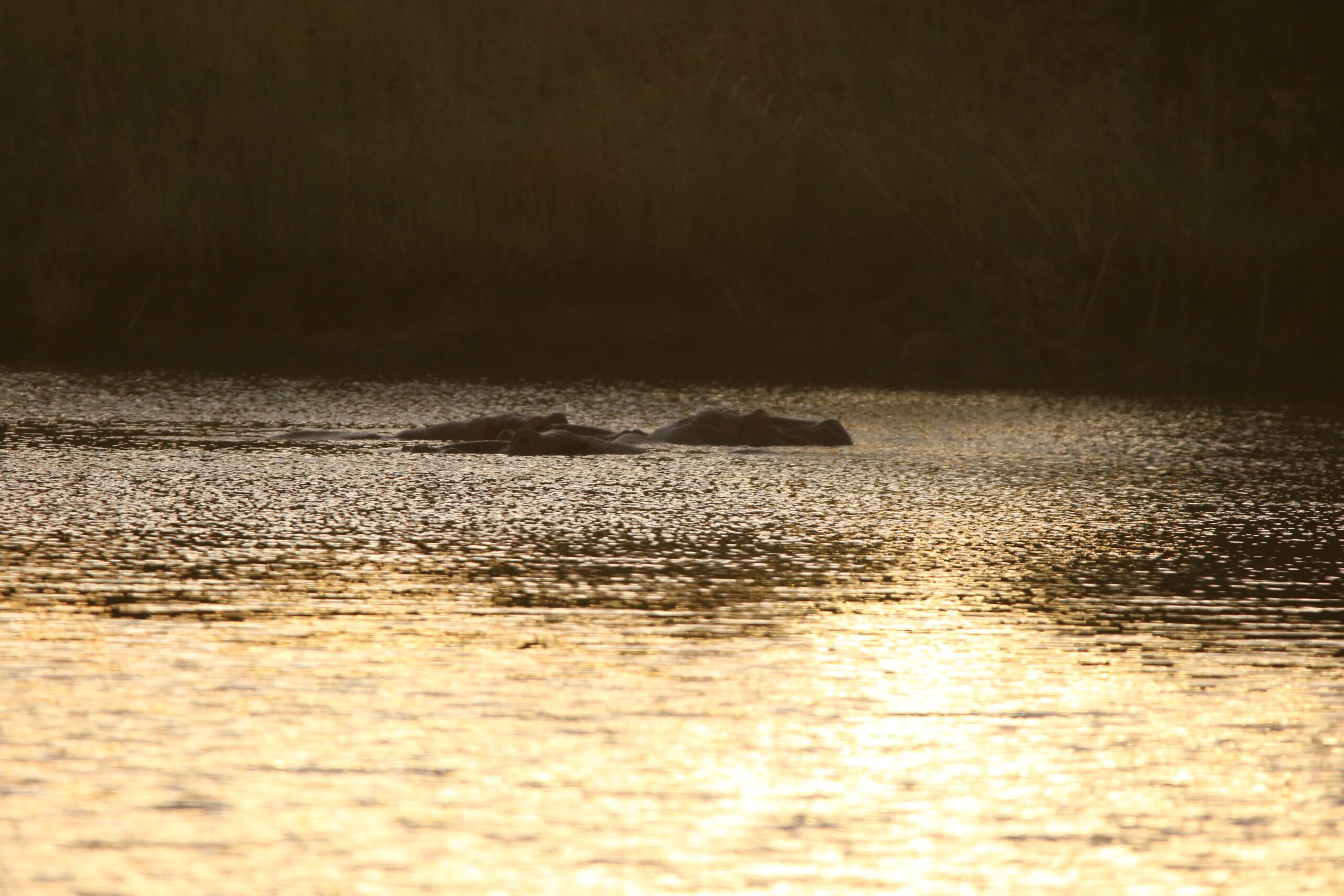
The afternoon safari is the perfect opportunity to venture down to the north western parts of the reserve in search of elephants drinking, cooling off or feeding, buffaloes relaxing in mud wallows, and many others enjoying the shade of the magnificent trees dotted along Whole Owner and Modjadji plains while waiting for the heat of the day to subside. The warm autumn rays begin to waver as the warm golden light of the fading sun illuminates the land. Slowly the sun begins to set over the Waterberg mountains and oranges and reds begin to fill the sky. Typically, an afternoon safari is interrupted with a classic sundowner with drinks and snacks.
I must say I am inspired by nature every day when I am out on a safari with my guests. However, nature is not just our inspiration; it is our greatest teacher. What lesson will you take away from your next encounter with the natural world on Mabula Private Game Reserve?
Until next time…
From Isaiah Banda & the Mabula family.
Safari Greetings.