Written by Isaiah Banda
Mabula transitions beautifully into a lush winter
Another remarkable month behind the lens. As lush and green as the landscape still is, the seasons are beginning to shift. The morning light is softer, the sunsets are starting to stretch a little longer, and the wildlife seems to carry a renewed intensity. This past month delivered a wonderful variety of sightings and moments, especially with our cheetahs. Some included intense predator encounters, while others reminded me to slow down and take it all in.
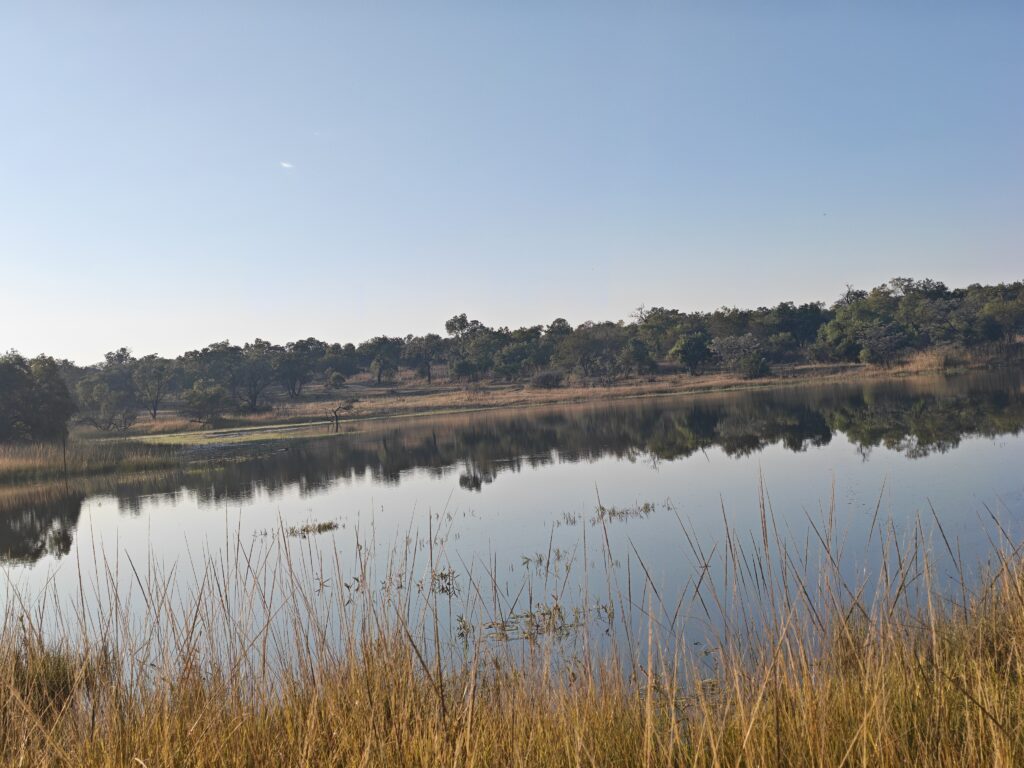
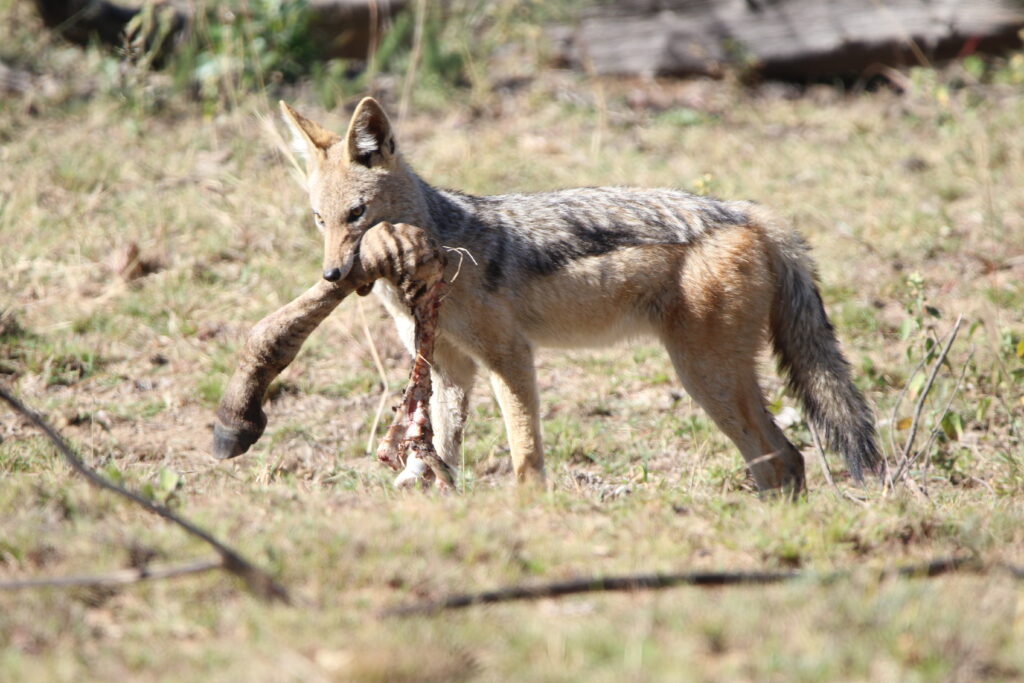
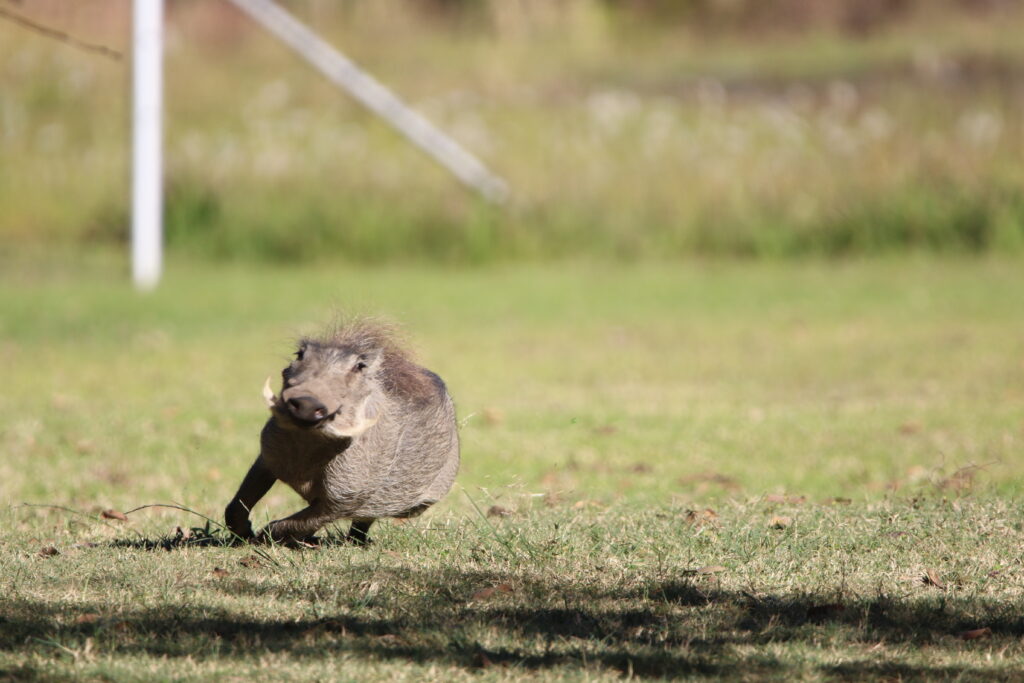

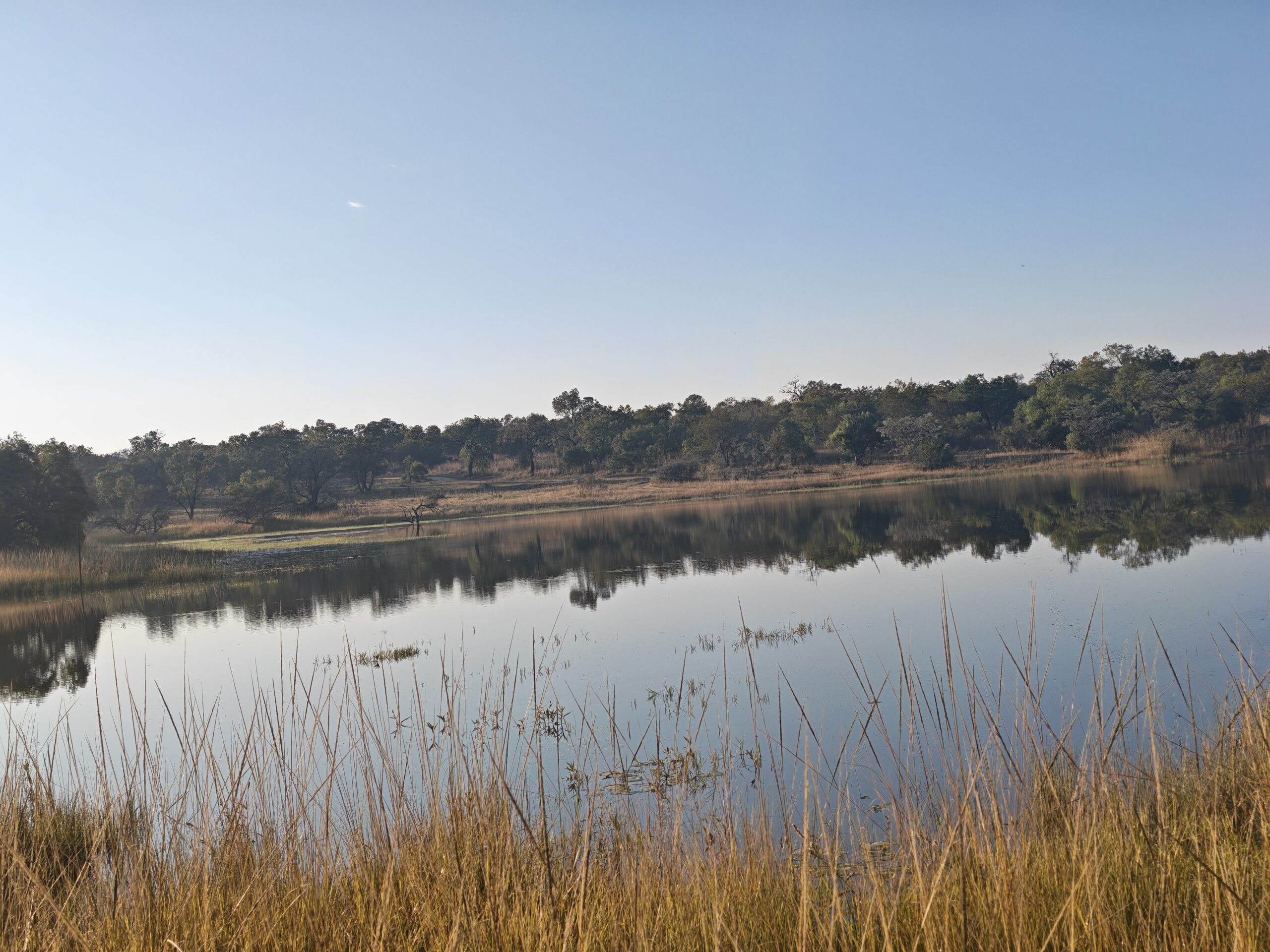
As we move deeper into June, winter showed us its teeth. The mornings have turned properly cold, with a crispness to the air that signals the season has well and truly shifted. What continues to surprise me, though, is just how green the trees remain. Following one of the wettest seasons in recent memory, this is the greenest and thickest I have ever seen Mabula at this time of year, and we’re nearly in July.
Investing in the Future, Mabula’s Third Generation of Field Guide Trainees
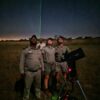
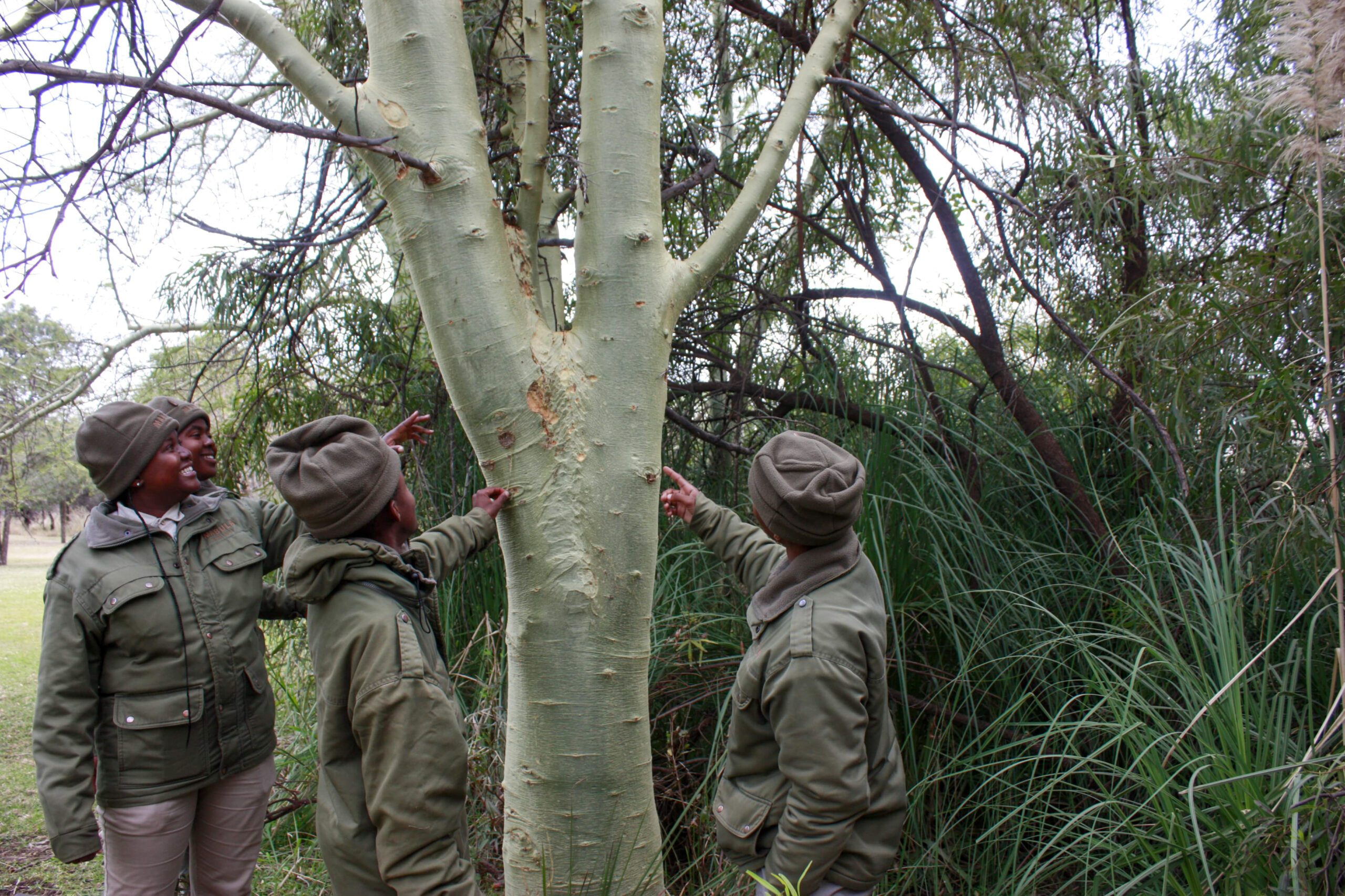
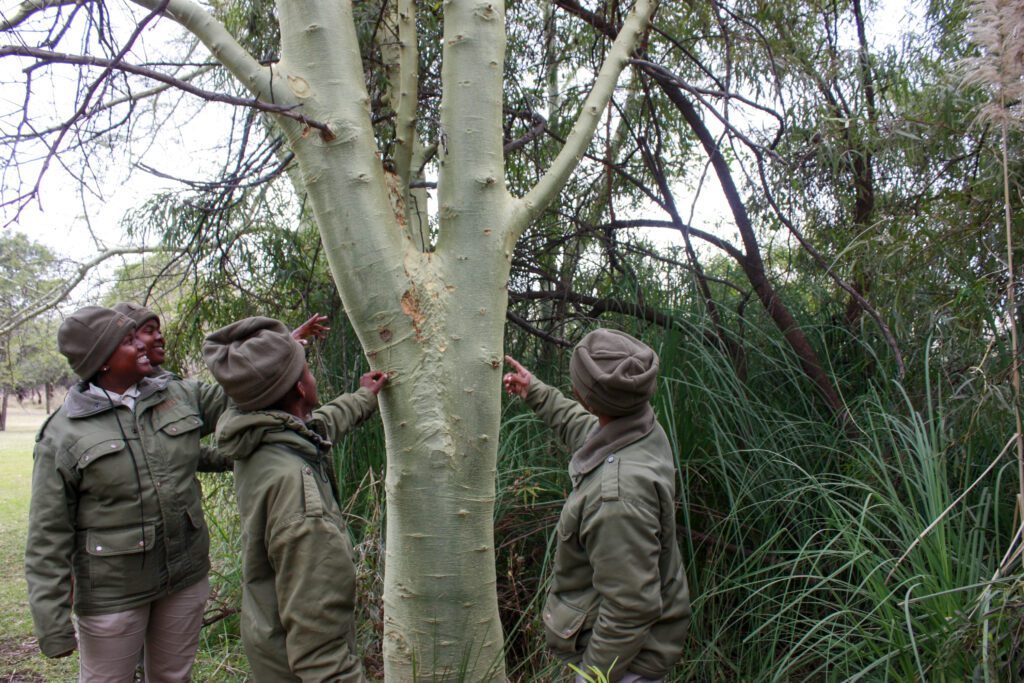
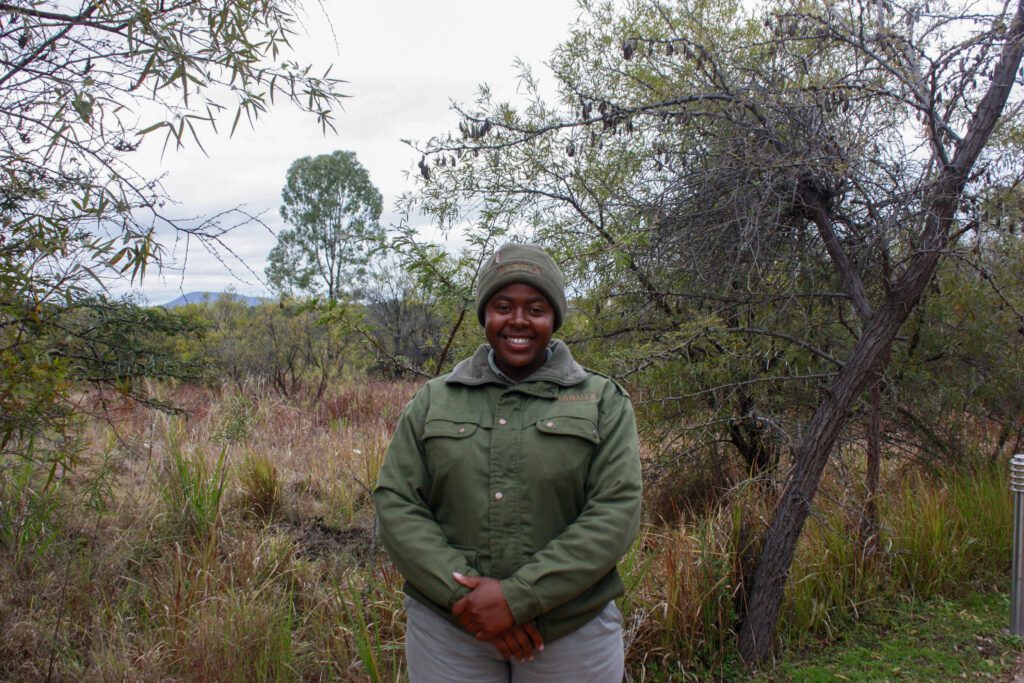
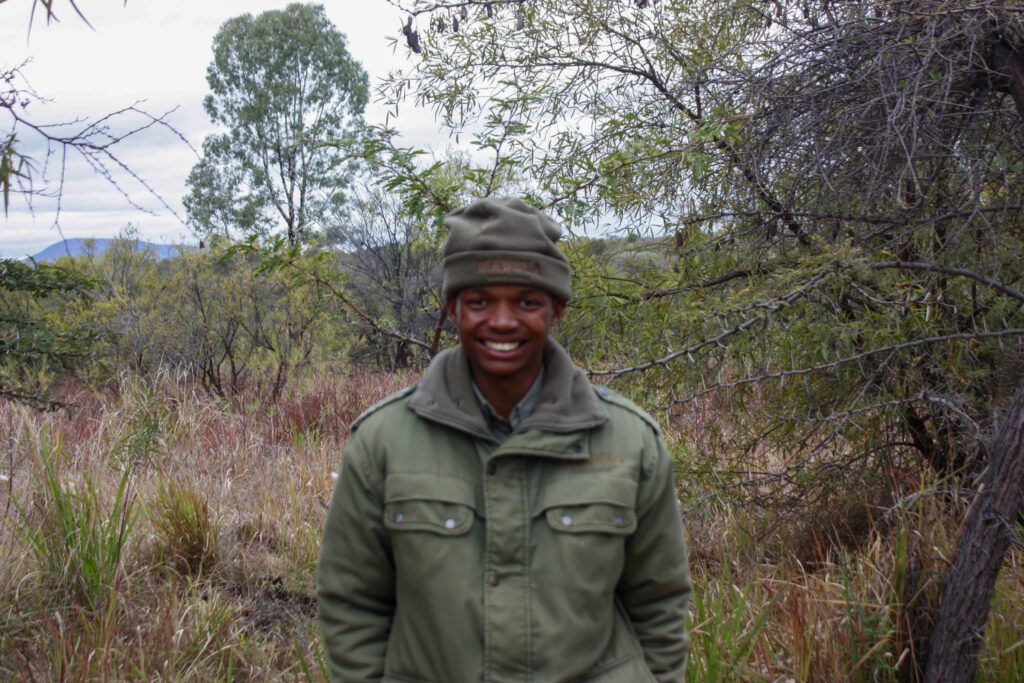
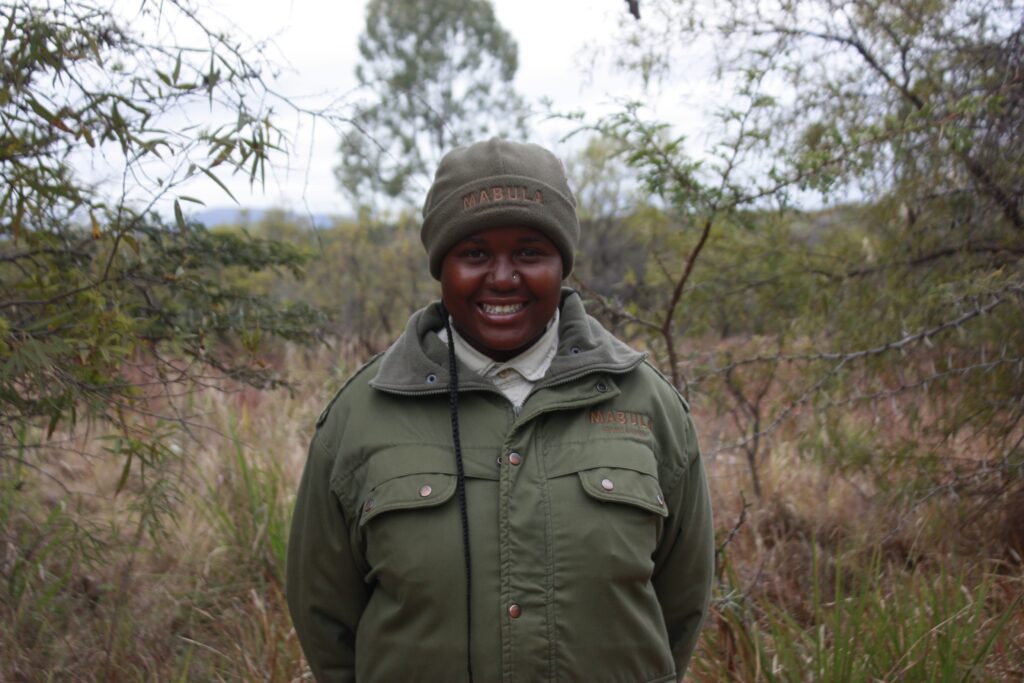
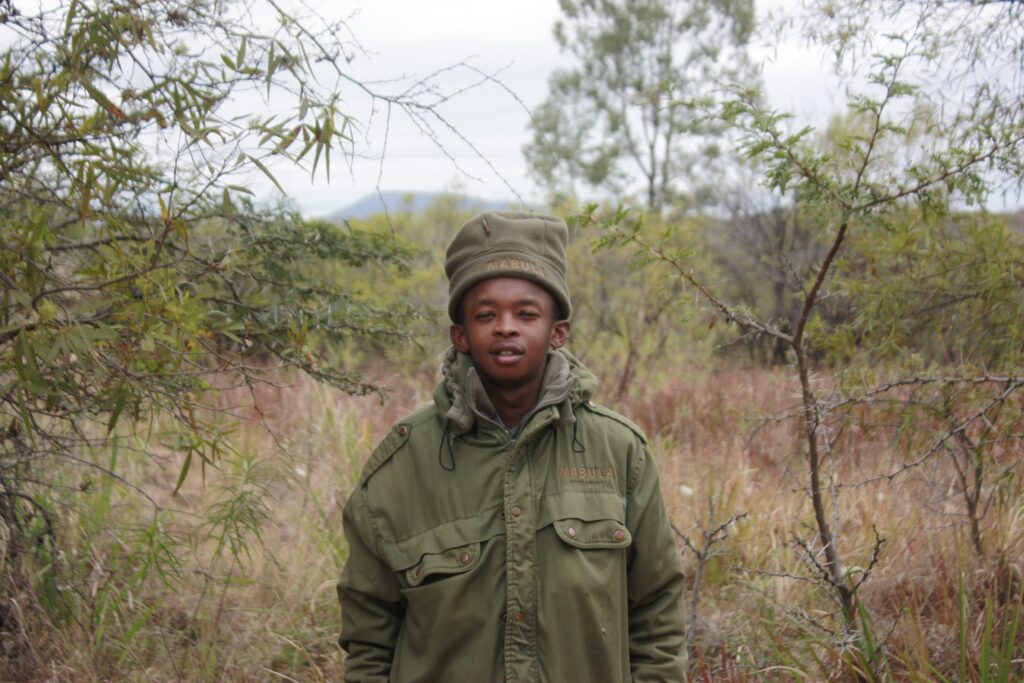
As part of Mabula Game Lodge’s ongoing commitment to community development, youth empowerment, and conservation education, we are proud to welcome the third generation of trainee Field Guides into our Mabula Community Field Guide Training Programme. This initiative continues to create meaningful opportunities for young people from the Bela-Bela community to pursue careers within South Africa’s thriving wildlife and tourism industry. Following the remarkable success of the 2025 intake, where seven young community members, Matsobane Majoko, Rose Mogotlane, Ntokozo Nkuna, Lucky Moatshe, Boitumelo Senoamadi, Samson Banda and Isabella MacPherson successfully completed their training, acquired qualification in NQF2 Nature Guide, and have since embarked on professional careers within the conservation and hospitality sectors, Mabula recognized the significant impact of the programme and committed to its continuation.

The programme is designed to equip trainees with the knowledge, skills, and qualifications required to become professional Field Guides. In addition to nature guiding, trainees receive exposure to guest interaction, conservation principles, vehicle operations, first aid, and other essential skills needed within the tourism industry. If they continue their current path of dedication and hard work, they are expected to complete the programme and qualify by December 2026. This initiative remains one of the many ways in which Mabula invests in the future of the youth from the Bela Bela community. By creating opportunities, developing skills, and nurturing future conservation ambassadors, the programme not only transforms individual lives but also contributes to the long-term growth and sustainability of South Africa’s wildlife and tourism industry. We look forward to following the journey of Madimetsa, Frieda, Owame, and Naledi as they work towards achieving their dreams and becoming the next generation of professional Field Guides.
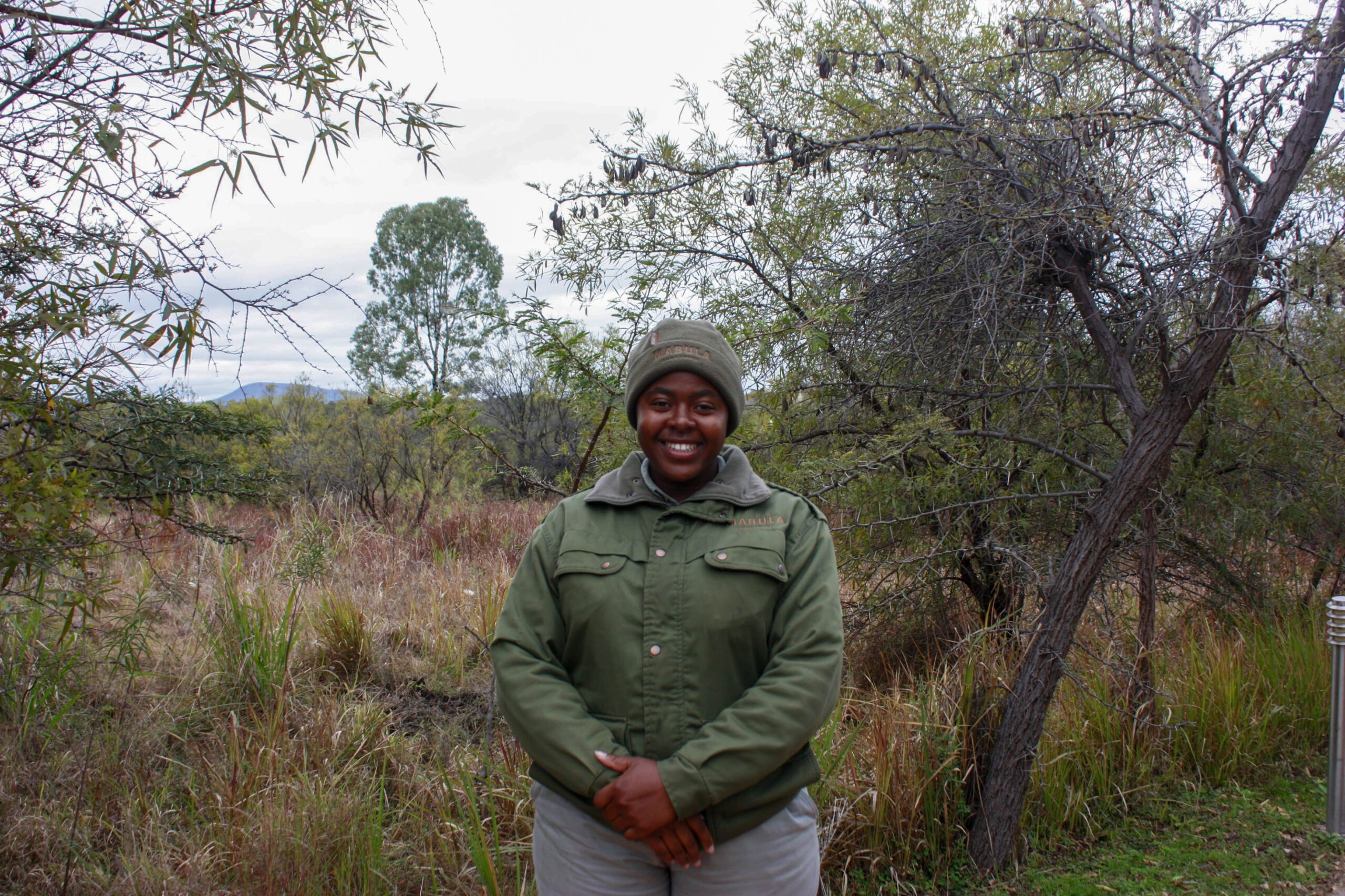
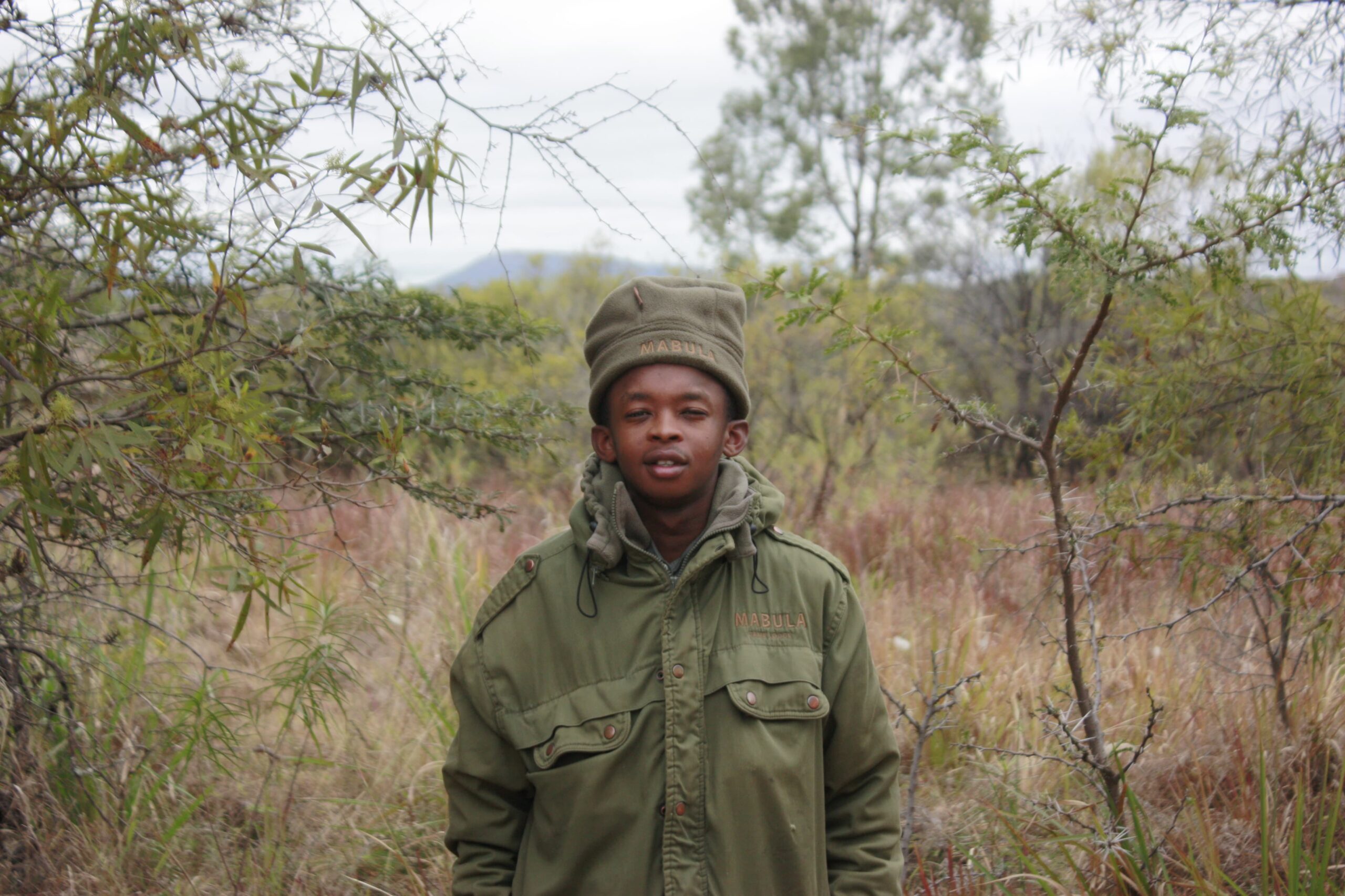
The success of previous graduates stands as a testament to the value of investing in local talent and providing pathways to sustainable employment. After receiving numerous applications and CVs from aspiring candidates across the community, four outstanding individuals were selected to join the 2026 intake. The new trainee guides, Madimetsa Mohale, Frieda Matshabe, Owame Moeng, and Naledi Molekwa, all proudly hail from the Bela-Bela community and have officially commenced their training on 1 May 2026. Since the start of the programme, the trainees have demonstrated exceptional enthusiasm, dedication, and a genuine passion for wildlife conservation and guiding. They have embraced both the theoretical and practical components of the curriculum, attending classroom-based lectures while gaining valuable field experience through practical training and shadowing qualified guides on safari activities. Their commitment and positive attitude have already made a strong impression on the guiding team
When Opportunity Knocks, Brown Hyenas Challenge Mabula’s Cheetahs
One of Mabula’s most memorable predator sightings unfolded recently when a coalition of cheetahs successfully brought down a young eland. Me and my guests watched in amazement as the cheetahs settled down to enjoy the rewards of their hard-earned hunt. As is often the case in nature, however, a successful kill can attract unwanted attention from other predators and scavengers.


Not long after the cheetahs began feeding, a Brown Hyena emerged seemingly from nowhere. With its shaggy coat, powerful jaws, and opportunistic nature, the hyena approached the carcass with confidence. Although cheetahs are exceptional hunters, they are often reluctant to engage in prolonged confrontations with larger competitors that could result in injury. What followed was an intense standoff as the hyena tested the cheetahs’ resolve and attempted to claim a share of the meal.


The encounter quickly escalated into a series of confrontations around the carcass. The cheetahs defended their kill while the Brown Hyena persistently pushed its way into the feast. My guests were treated to a fascinating display of predator interaction, highlighting the delicate balance between hunter and scavenger. Eventually, the hyena’s determination paid off, and an uneasy truce developed around the carcass. In a remarkable turn of events, the cheetahs and Brown Hyena began feeding side by side. While such scenes are uncommon, they demonstrate the adaptability of predators when food is abundant.

The Brown Hyena took full advantage of the opportunity, using its immense jaw strength to tear away a substantial portion of the carcass. In an impressive display of power, it eventually dragged off the entire head and neck of the eland, disappearing into the bush and leaving the cheetahs to continue feeding on the remaining carcass. As if the sighting could not become any more dramatic, a second Brown Hyena arrived later and boldly forced its way into the feeding group. Surprisingly, the cheetahs tolerated the newcomer and allowed it to feed alongside them. This created an extraordinary scene where predators and scavengers shared a meal, each calculating the risks and rewards of confrontation versus cooperation.

What made this sighting even more interesting was the behaviour of the Brown Hyena itself. Just a few weeks earlier, a Brown Hyena attempted a similar tactic with Mabula’s wild dogs. On that occasion, the wild dogs showed far less tolerance and aggressively chased the hyena away until it eventually abandoned its efforts and fled. The contrast between the cheetahs’ cautious acceptance and the wild dogs’ fierce defence highlights the unique strategies employed by different predators in protecting their food resources. Encounters such as these remind us that the Mabula bush is far more than predator versus prey. It is a complex web of competition, opportunity, survival, and adaptation. For Mabula’s guests, witnessing a Brown Hyena challenge cheetahs at a fresh kill and ultimately walk away carrying the prized head and neck of an eland was an unforgettable reminder that in nature, fortunes can change in an instant.

A Moment We Will Never Forget, Queen’s Tiny Cubs Make Their Debut
Queen introduces her two young cubs to the world for the very first time. A magical and unforgettable Mabula moment that left guests and guides speechless with excitement. Some wildlife sightings leave a lasting impression, while others become moments that guides, guests, and nature lovers will talk about for years to come. One such unforgettable moment unfolded recently at Mabula Game Lodge when long-held hope finally became reality. After weeks of speculation, anticipation, and countless conversations around sightings boards and boma dinner, we were finally rewarded with the sight we had all been waiting for, Queen, our resident female cheetah, revealing her tiny cubs for the very first time.

As we gathered outside, a sudden burst of alarm calls from vervet monkeys echoed from the direction of Kieviets Plain. Experienced guides know that these alarm calls should never be ignored. The monkeys were clearly warning of a predator in the area. Instantly, the guiding team became alert, and excitement began to build. There was a feeling in the air that something special was unfolding.
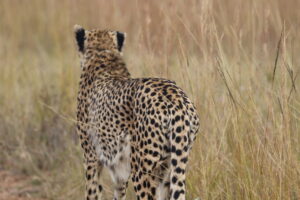
I immediately headed towards the plain just outside the lodge to investigate. Scanning the area carefully, we soon noticed movement through the tall grass. At first, only the head of a cheetah was visible as it moved silently through the vegetation. The question on everyone’s mind was simple: was this Queen or Atsile? Through my binoculars, I focused carefully on the animal. Within moments, the answer became clear. It was Queen.
Mabula Cheetah Cubs
The realisation sent a wave of excitement through the vehicle. Queen had been behaving differently for several weeks, and many of us suspected that she had given birth somewhere within her territory. Yet, despite our hopes, there was no confirmation. Seeing her alone was exciting enough, but there was a growing possibility that she might not be alone. Every guide and guest in the vehicle suddenly found themselves holding their breath with anticipation.
We switched off the engine and briefed the guests to remain quiet and patient. Wildlife often rewards those who wait, and this was one of those moments. Queen continued moving slowly through the grass, occasionally stopping to scan her surroundings. Every movement seemed deliberate and cautious. She was clearly behaving like a protective mother, carefully assessing her environment before exposing her hidden secret. Then, as if responding to our silent wishes, Queen stepped onto the road. Cameras were raised and binoculars focused. Guests watched in awe as one of Africa’s most beautiful predators emerged into full view. Yet while everyone admired Queen, I found myself looking behind her, searching the grass for any sign of movement. My heart raced as the possibility of cubs became increasingly real. And then it happened.
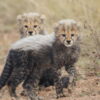
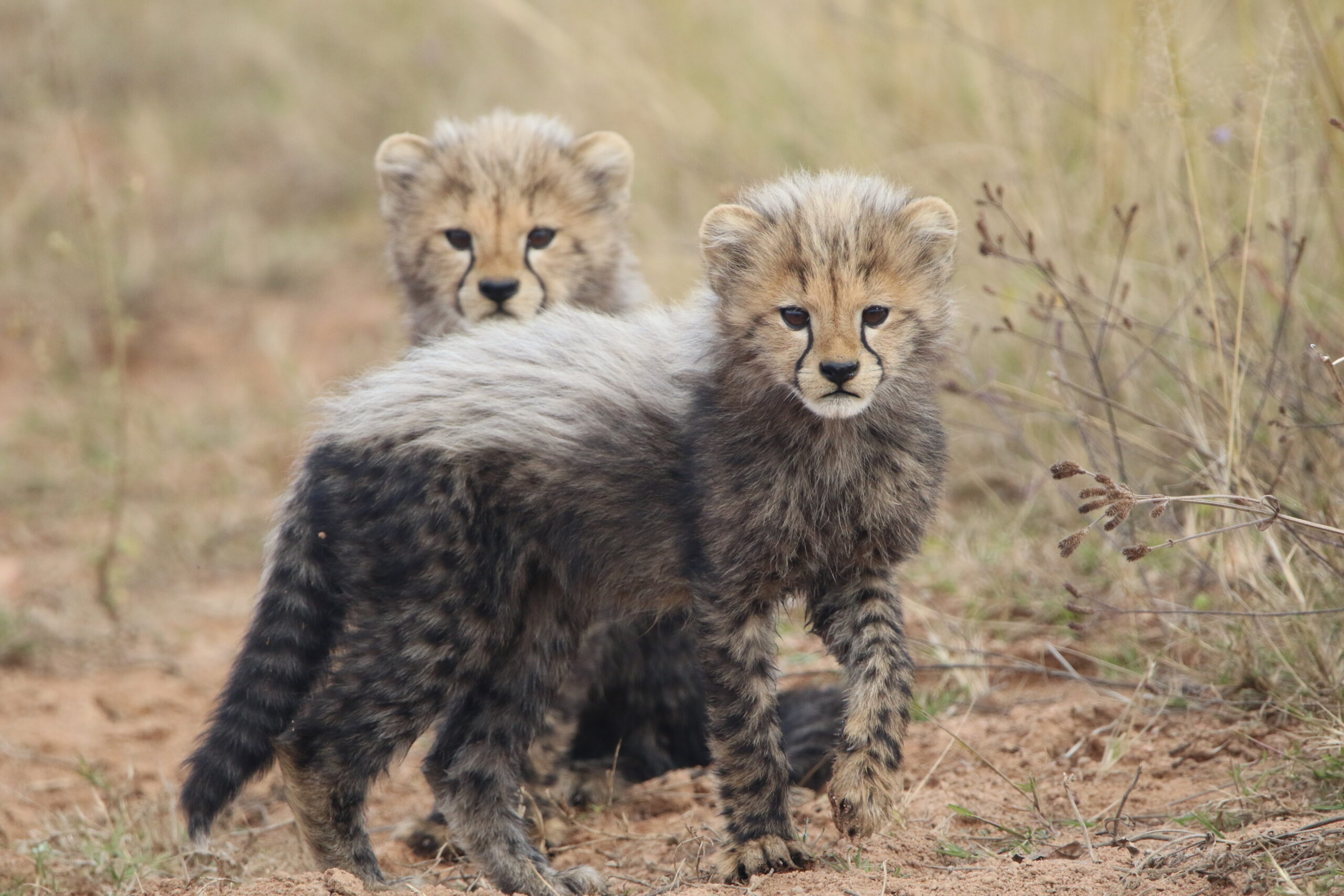
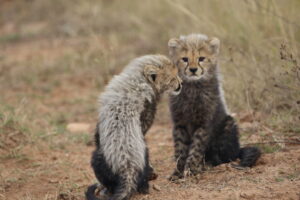
From the grass behind Queen emerged two tiny cheetah cubs. Small, fluffy, and perfect, they cautiously followed their mother onto the road. For a few seconds, nobody spoke. The only sounds were the rapid clicks of camera shutters and the occasional whispered expression of disbelief. It was one of those rare moments where words simply fail to capture the emotion. “Wow” was the only word anyone could manage.
The cubs were incredibly young, still carrying the distinctive silvery mantle of fur along their backs that helps protect them from predators and provides camouflage in the grasslands. They stayed close to their mother, occasionally stopping to investigate their surroundings before hurrying to catch up. Their curiosity and innocence were captivating, offering a glimpse into the fragile beginning of a life that will be filled with challenges, learning, and survival in the African wilderness.
For our guests and guides alike, this was far more than just another sighting. It was a privilege to witness a chapter in the life of one of Mabula’s most beloved predators. Cheetahs face many challenges when raising cubs, and every successful litter represents hope for the future of this magnificent species. As Queen disappeared back into the grass with her cubs safely in tow, there was a shared sense of gratitude among everyone present. We had been fortunate enough to witness one of nature’s greatest gifts – the next generation taking its first steps into the wild. It is a sighting that will forever hold a special place in the history of Mabula and in the hearts of those lucky enough to be there
The excitement was indescribable. Watching those young cubs take their first steps into the world was magical. One of our guides, Tshepo, was so overwhelmed with joy that he could hardly contain himself, celebrating like a child on Christmas morning. It was a fitting ending to two extraordinary days in the bush, days that reminded us why Mabula remains one of Africa’s most special wildlife destinations. Encounters like these are more than just sightings; they are powerful reminders of the importance of conservation. Protecting cheetahs, their prey, and the habitats they depend on ensures that future generations will continue to experience the wonder, beauty, and excitement of the wild for many years to come.