Mabula Game Reserve
August 2026 Wildlife Highlights
Mabula Guides Newsletter • Written by Isaiah Banda
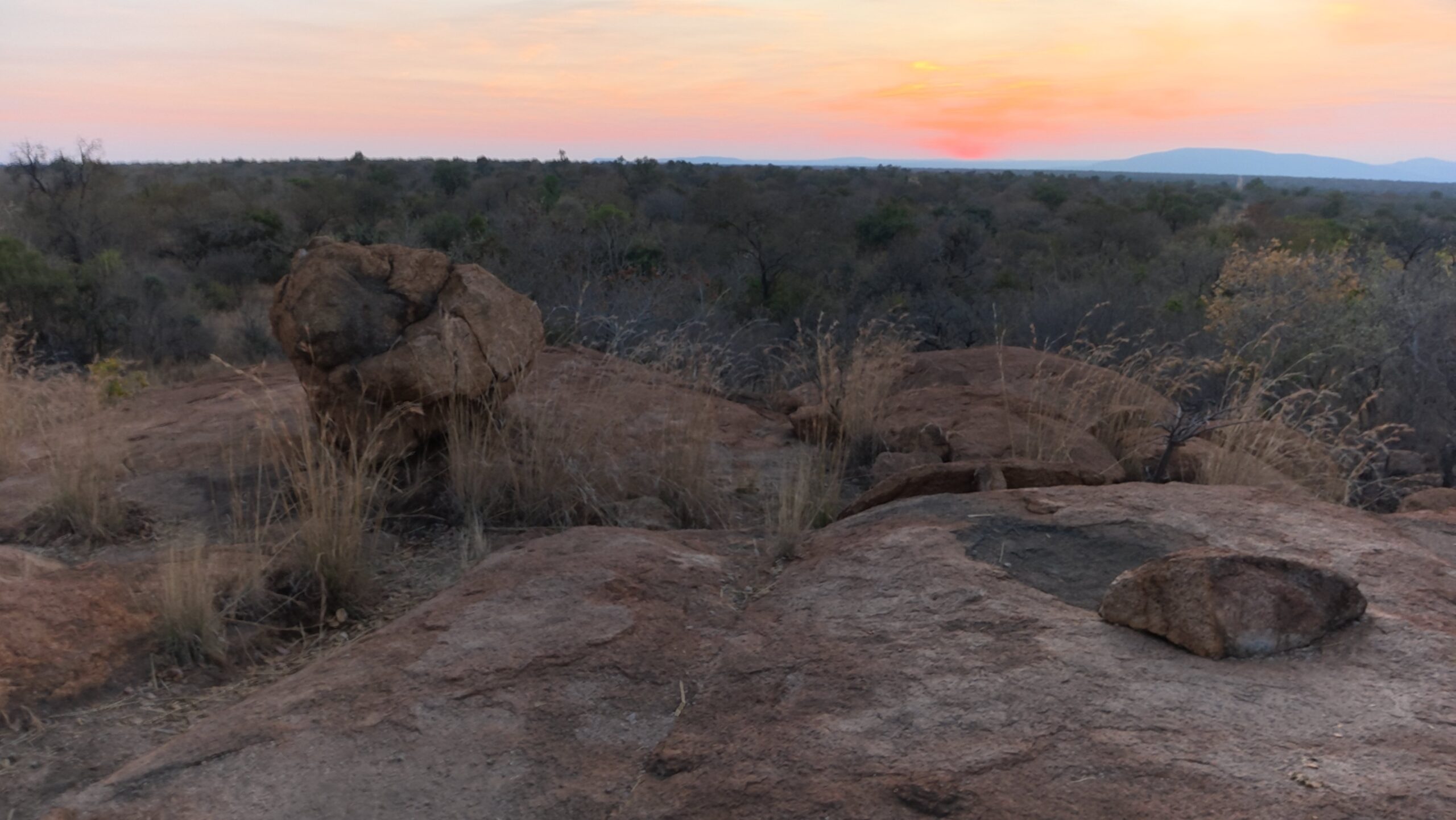
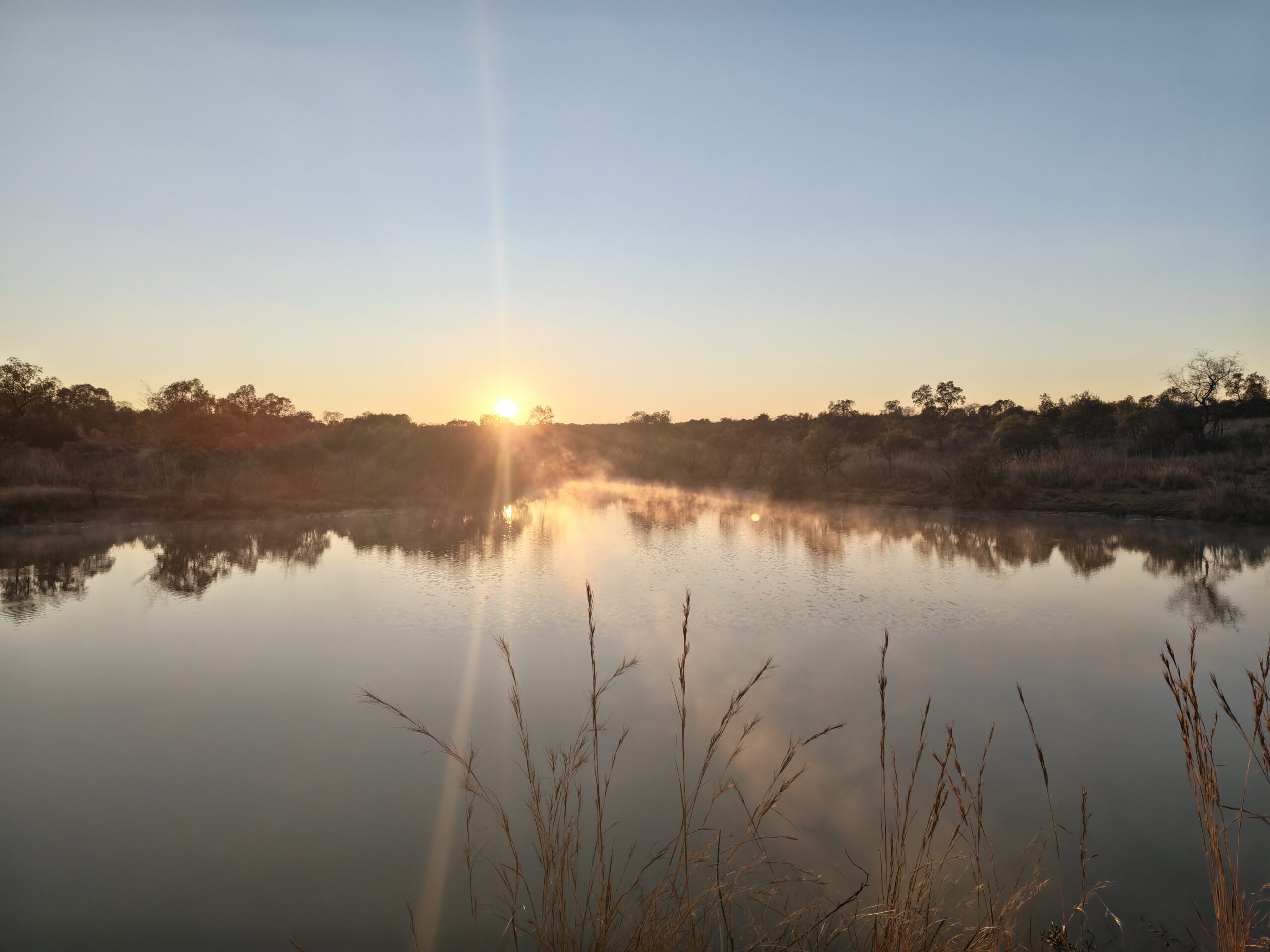
Winter in the bush has a way of slowing down time just enough for you to take it all in. The crisp morning air, the golden low-angled light framing wide sunrises and sunsets and often hazy, almost diffused light through smoke and dust make the quieter moments and star-studded night skies of this beautiful landscape feel endless.
There is a special kind of magic that begins long before the sun rises over the African wilderness. While the bush is still cloaked in darkness and the first birds have yet to announce the coming day, safari guides, trackers and eager guests gather around steaming cups of coffee, preparing for another adventure. The aroma of freshly brewed coffee mingles with the crisp morning air as conversations revolve around the possibilities of the day ahead.
Will we find the leopard that eluded us yesterday? Will the lion's pride be on the move? Or perhaps a rare bird will make an appearance for those keeping their cameras at the ready. With coffee cups emptied and cameras checked one final time, we venture into the awakening wilderness.
A Predator's Prize: Cheetahs, Wild Dogs, a Brown Hyena and Me at the Back of the Queue
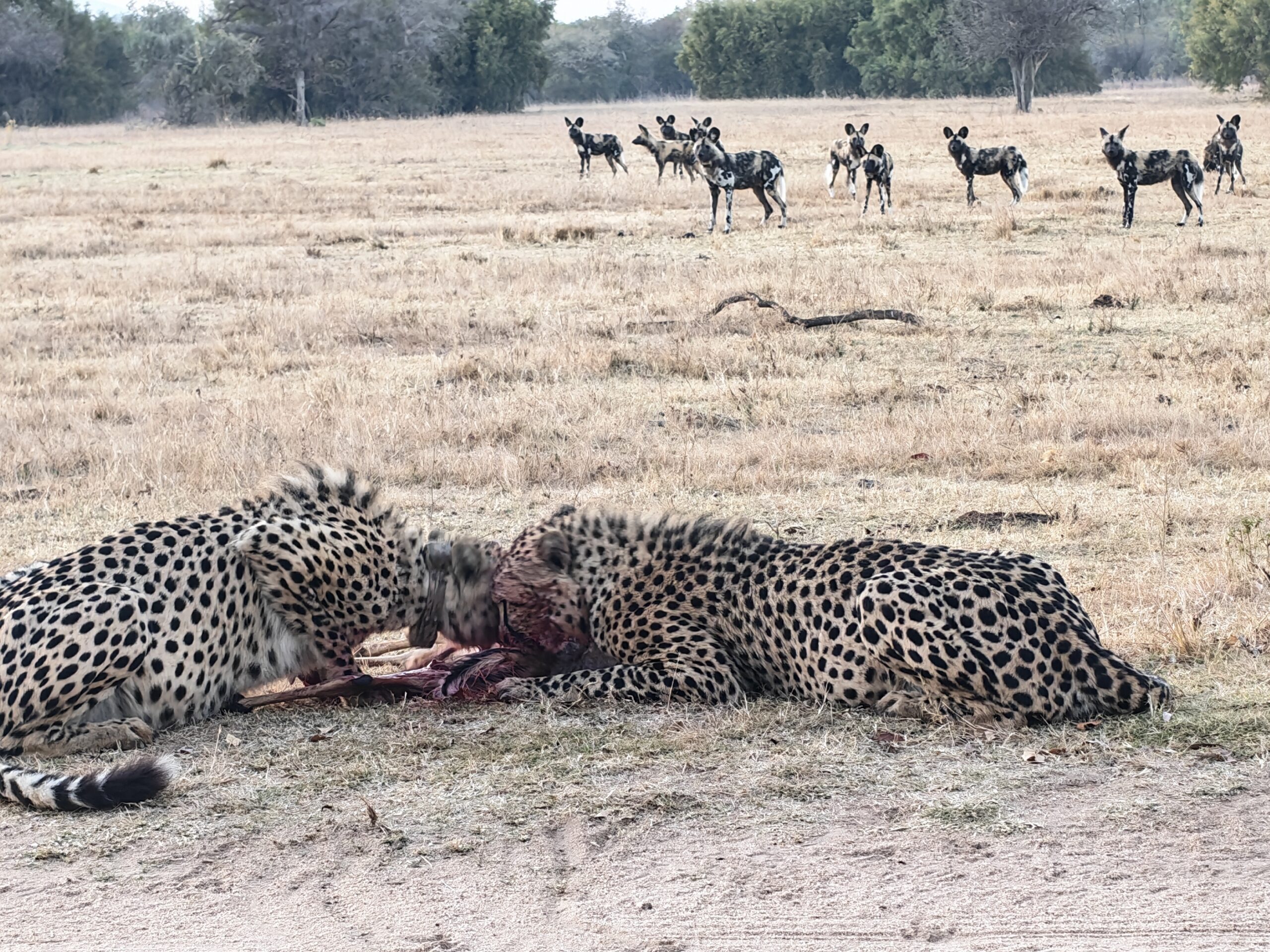
There are days in the African bush when everything seems to happen at once, and this was certainly one of them. It all began with Mabula's famous cheetah coalition, Katlego and Isago, successfully bringing down a young impala on the open plains.
A cheetah kill is always a special sighting, as guests can witness the world's fastest land mammal rewarded for an incredible burst of speed and precision. The two brothers had worked together flawlessly, and it looked as though they were finally about to enjoy the fruits of their hard work.
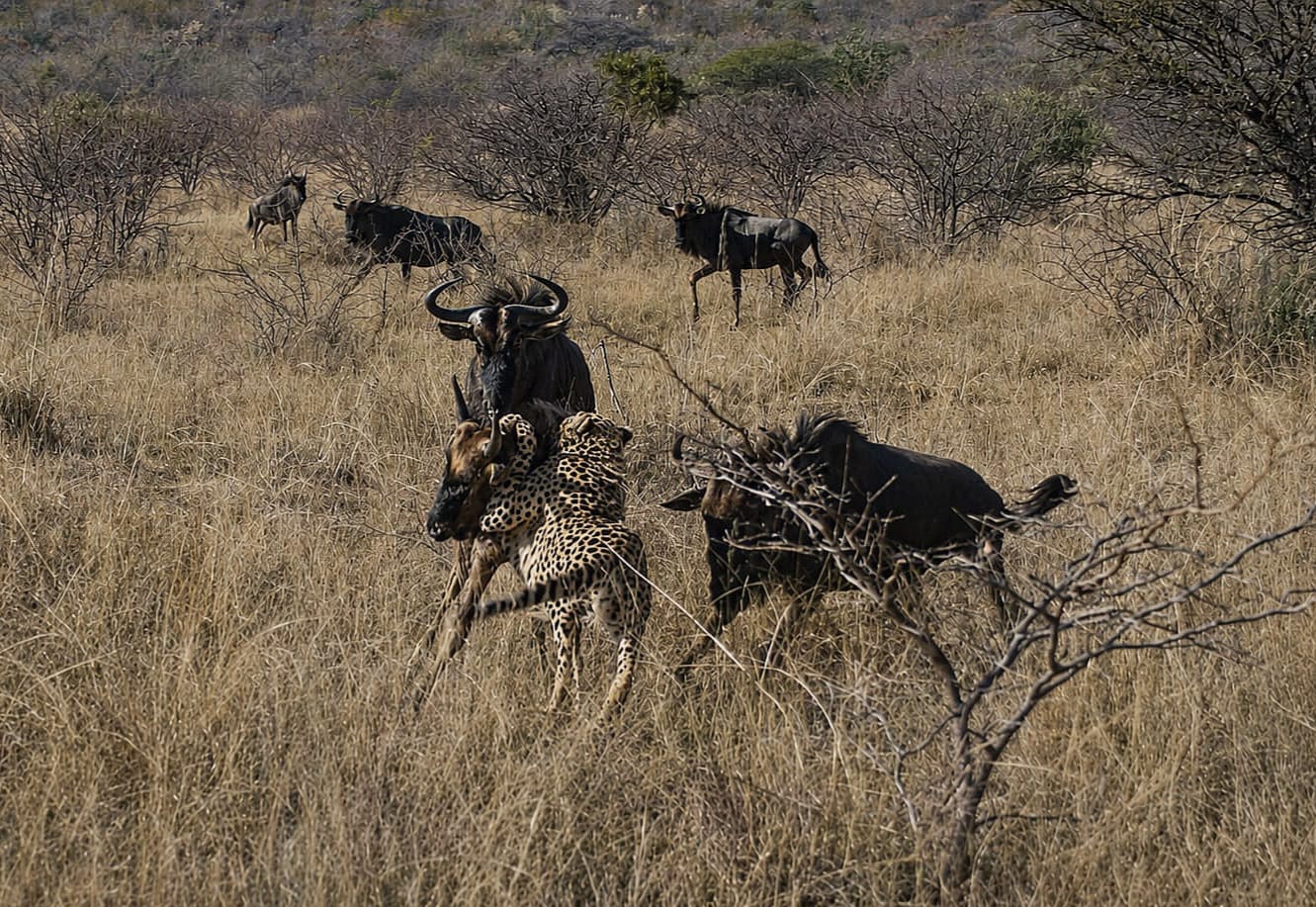
As often happens here at Mabula, however, a successful hunt is only the beginning of the story. The scent of fresh blood quickly attracted the attention of a brown hyena, which cautiously approached the scene hoping to steal an easy meal. The cheetah coalition stood there, watching every movement of the scavenger.
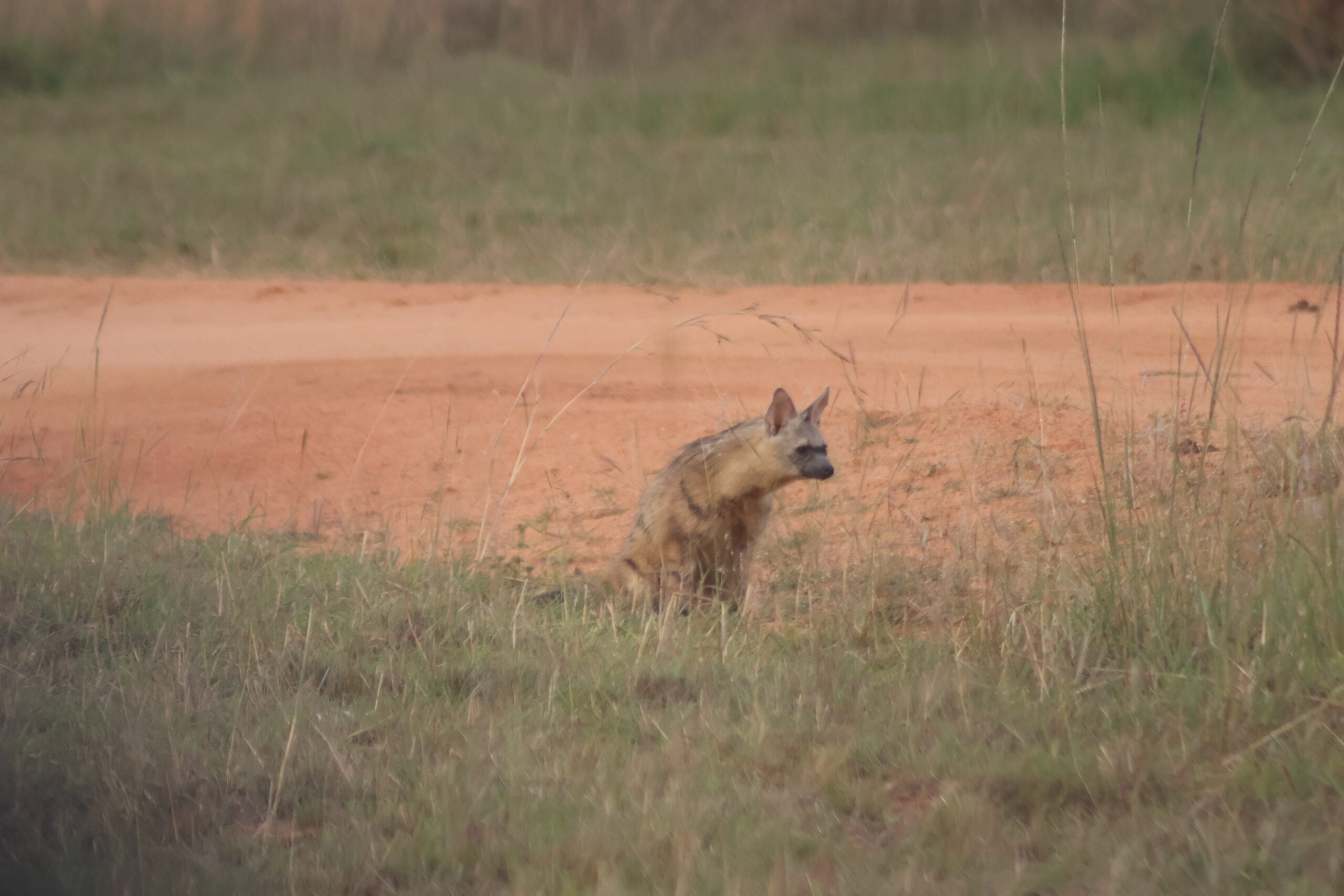
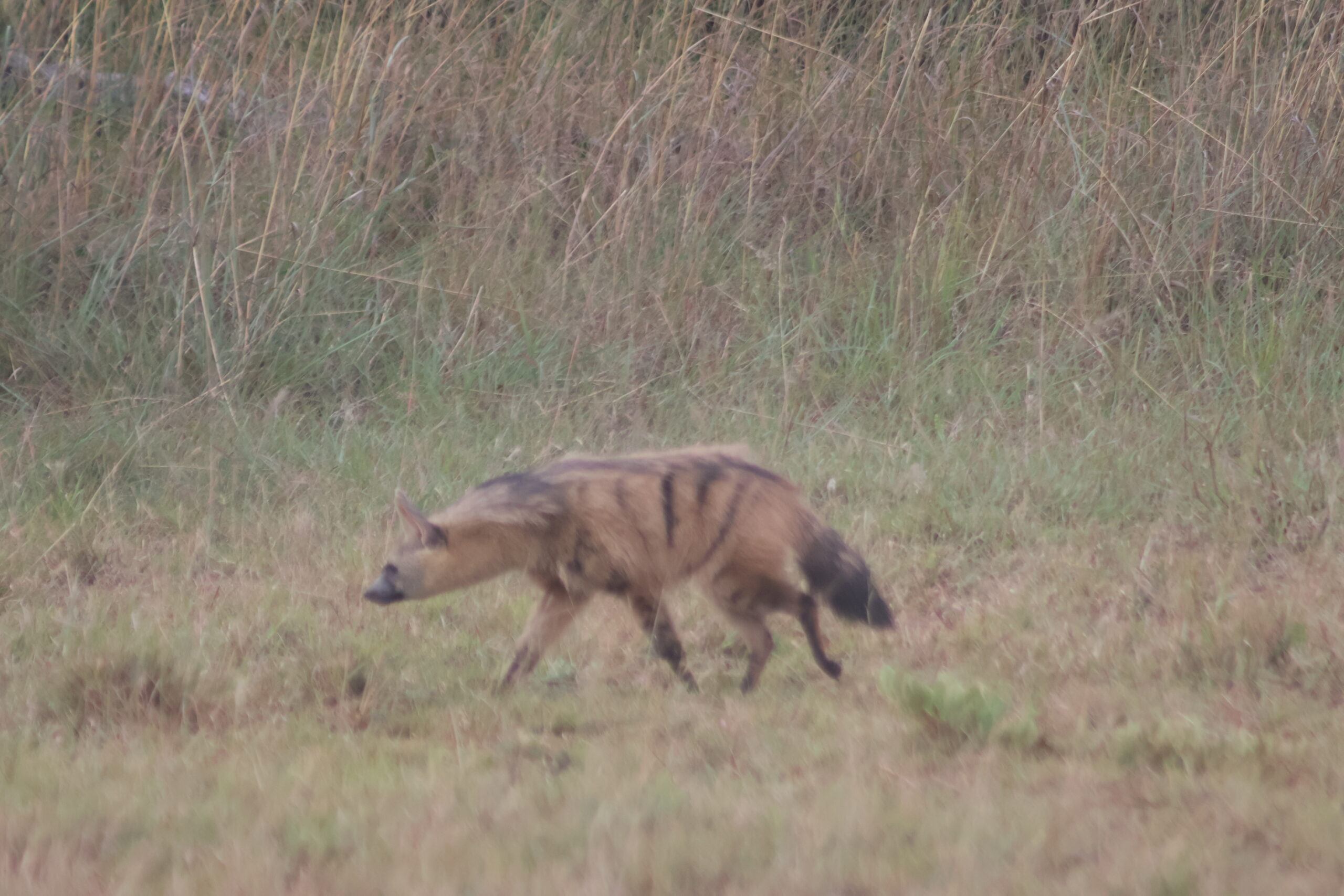
A tense standoff followed, with neither side willing to give way. The brown hyena tested the cheetahs' resolve but soon realised these two determined brothers were not prepared to surrender their hard-earned prize without a fight. In the end they allowed the brown hyena to eat with them on the same carcass.
Just when it seemed the excitement had reached its peak, the radio crackled once again: "Makanyane approaching the sighting."
Makanyane is the name our guides use for the African wild dogs. Within moments, a pack of 13 wild dogs appeared on the horizon, running with the energy and confidence that has made them one of Africa's most successful predators. Suddenly, the balance of power shifted.
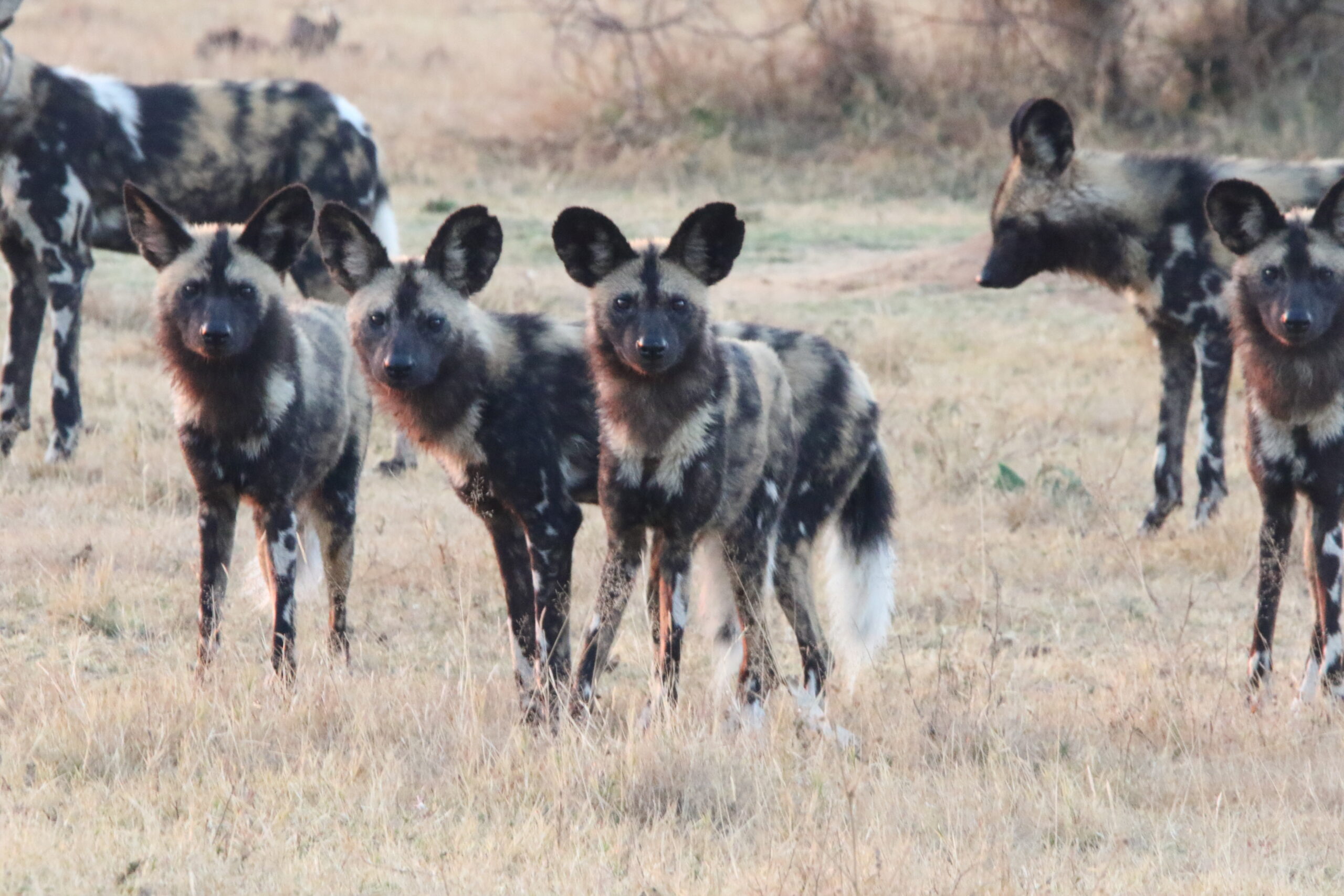
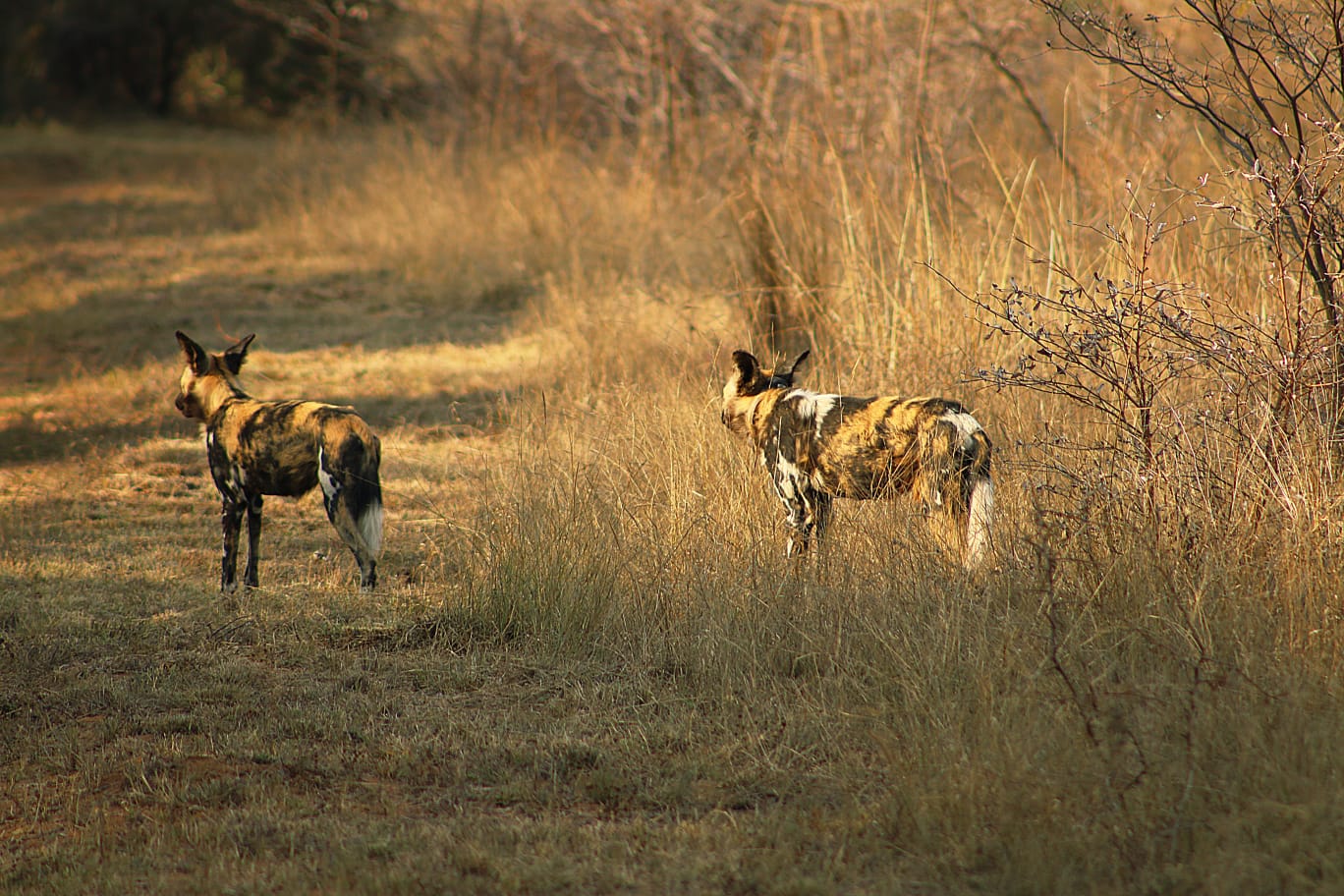
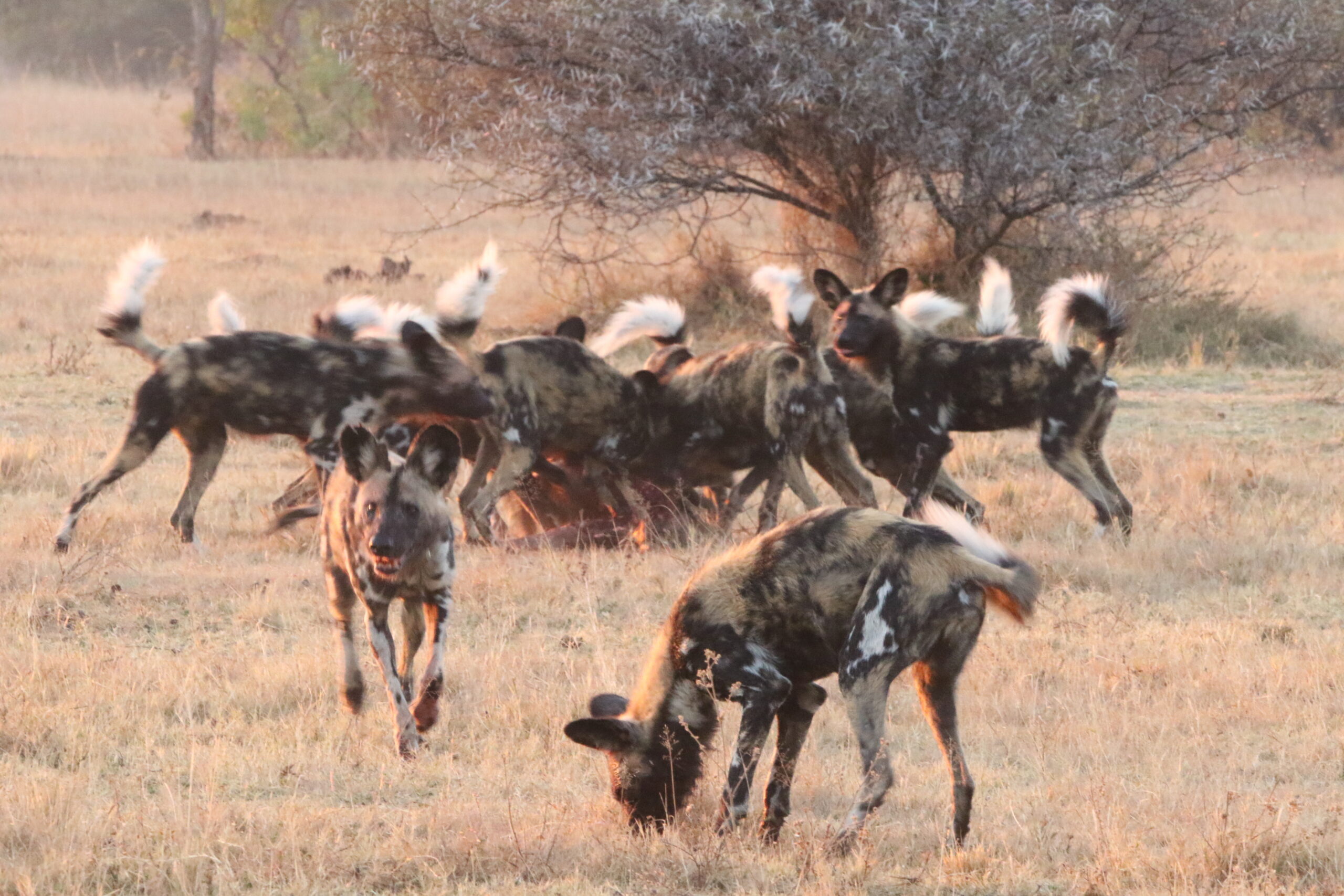
Outnumbered thirteen to two, plus one brown hyena, the cheetah coalition had little choice but to retreat as the wild dogs took control of the impala. The feeding frenzy that followed was a remarkable display of teamwork and social behaviour, with every member of the pack playing its part.
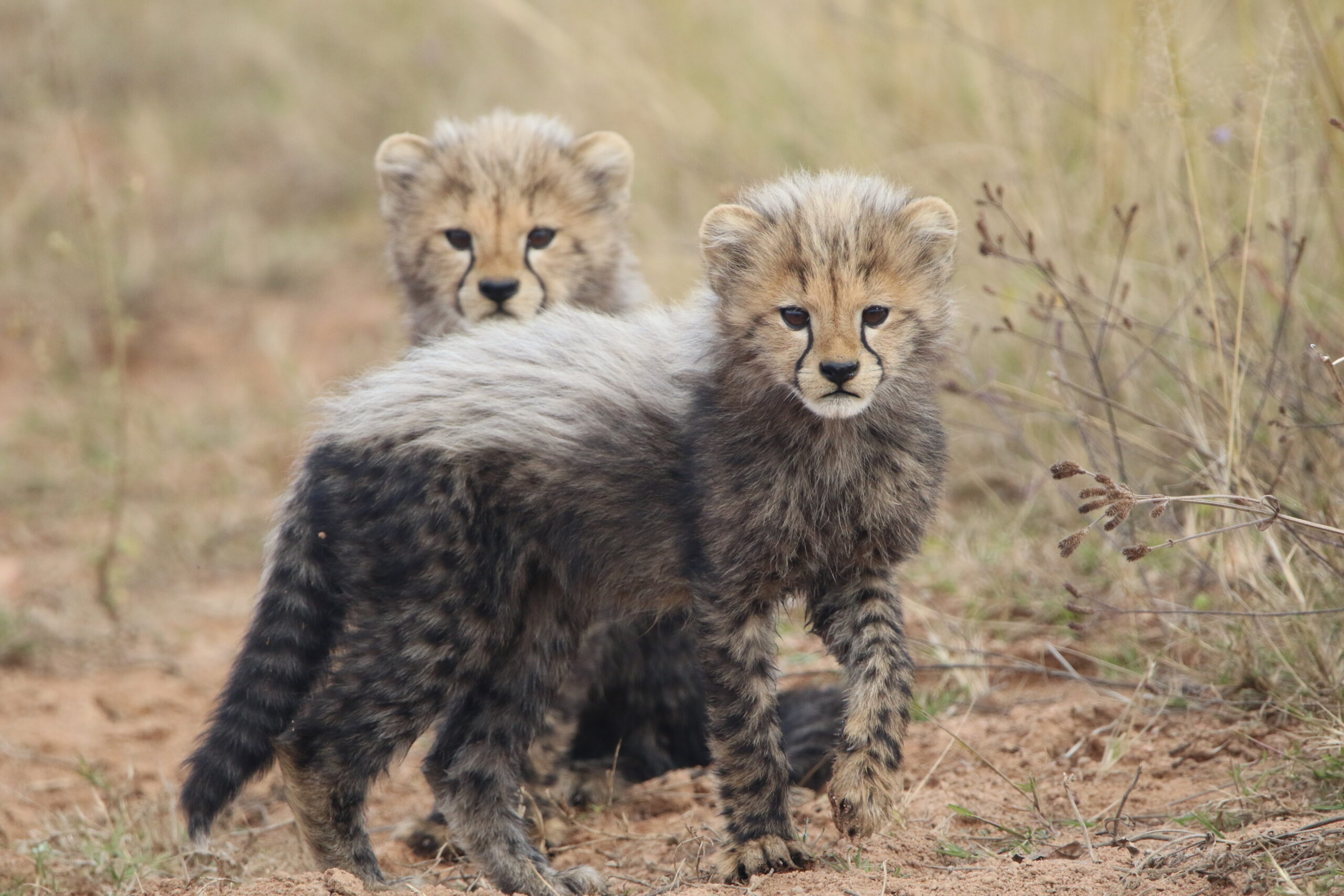
As if the sighting could not become any more extraordinary, one of Mabula's female cheetahs was seen nearby with her cubs. She remained at a safe distance, carefully watching the commotion while ensuring her cubs stayed hidden from danger.
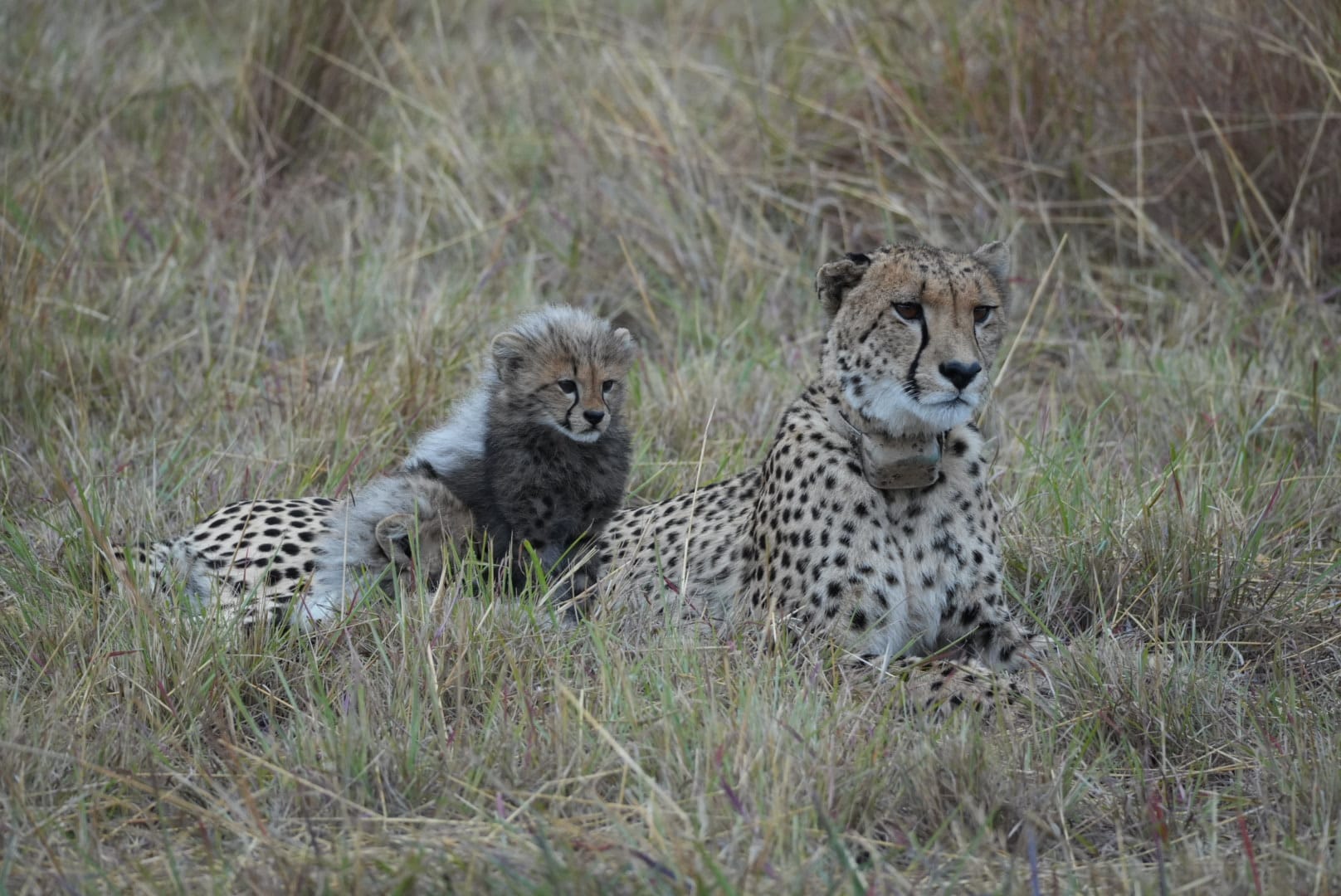
It was a beautiful reminder that survival in the African bush is not only about securing food but also about making wise decisions. Rather than risking the safety of her young, she quietly moved them away from the chaos, choosing caution over conflict, a decision that every successful cheetah mother must make if her cubs are to survive.
And then there was me... at the back of the queue. With so many guides eager to share this once-in-a-lifetime sighting with their guests, I had to patiently wait my turn while listening to the constant radio updates. Every new transmission seemed to raise the excitement even further, first the cheetah coalition, then the brown hyena, followed by the arrival of thirteen wild dogs, and finally the female cheetah with her cubs.
I could only imagine what was unfolding while hoping I would arrive before the drama ended.
Fortunately, patience paid off.
Driving away later that morning, I realised that the impala had been only the beginning of the story. The real sighting was not a single predator or a single kill; it was witnessing an entire ecosystem respond to one event. Every species, from the smallest scavenger to the predator that was there, played its role in nature's timeless theatre.
Days like these cannot be planned, repeated or predicted. They simply happen. They remind us why we wake up before sunrise, why we spend countless hours searching the reserve, and why no two safaris are ever the same. They are the days that stay with guests forever and become stories guides continue telling for years to come.
And as for me...
Being at the back of the queue suddenly didn't seem so bad after all. Sometimes the greatest privilege is not arriving first, it is simply being fortunate enough to witness another unforgettable chapter in the extraordinary story of Mabula.
A Special Encounter with the Lake Kyle Lioness and Her Cubs
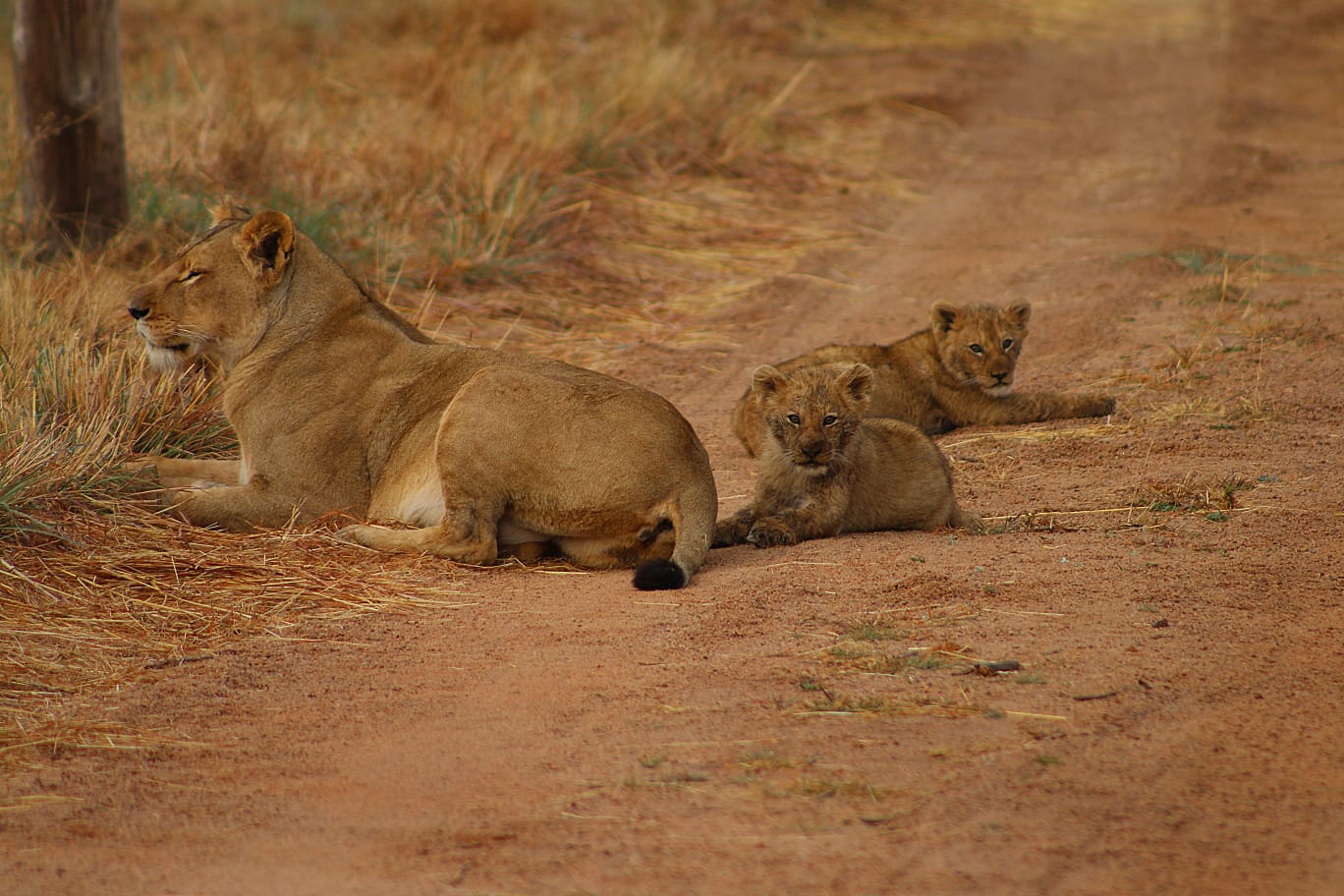
One of the most memorable sightings during August was an encounter with the Lake Kyle lioness and her three young cubs. It was an incredibly special moment and certainly not something we expected to witness. Having only discovered a few months ago that she had given birth, every opportunity to see this growing family has become a treasured experience.
On this occasion, we were fortunate to find the lioness leading her cubs towards a freshly killed wildebeest. The youngsters followed their mother closely, still learning about their surroundings and relying entirely on her guidance and protection. Their excitement and curiosity were clear as they approached the carcass.
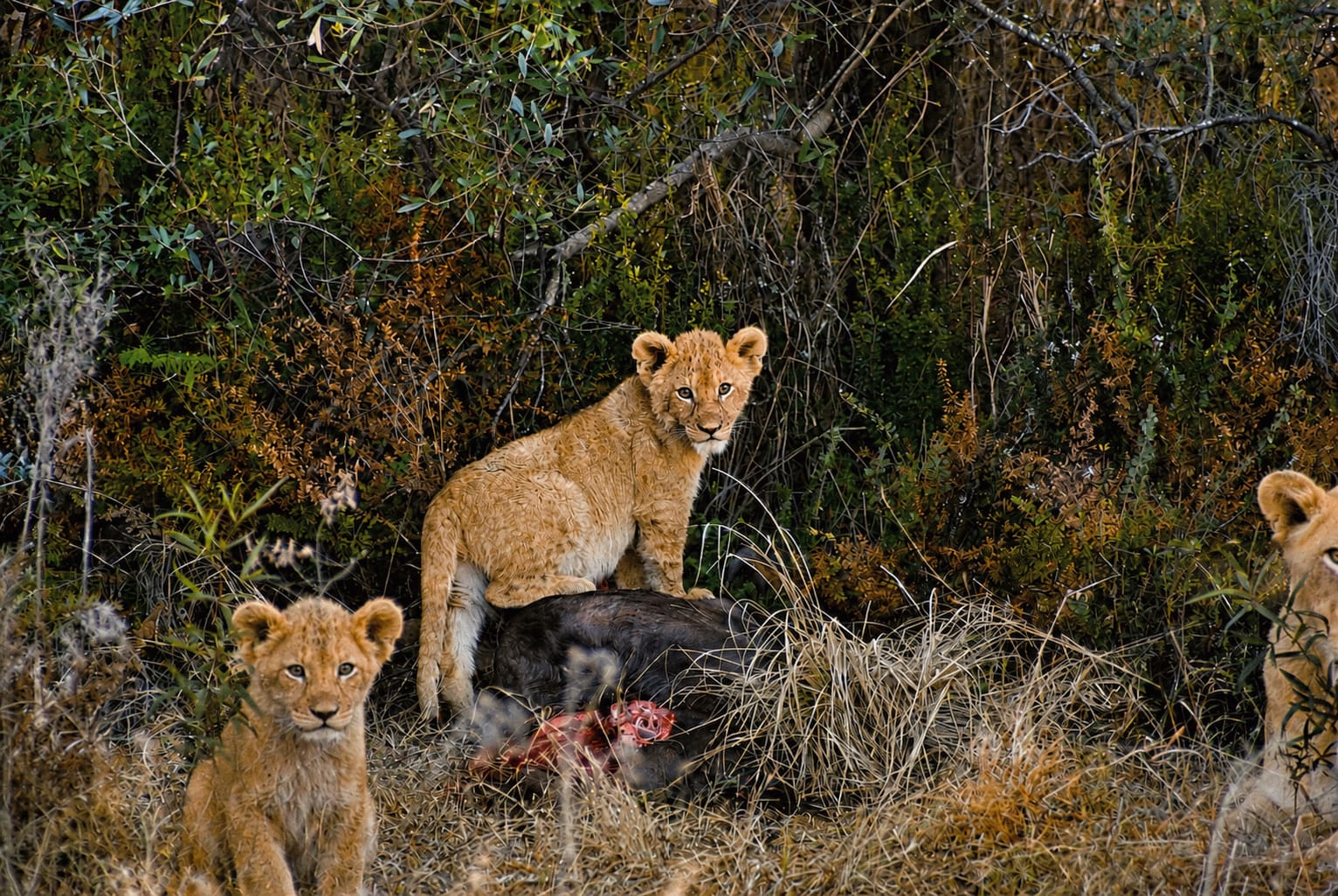
The lioness gently introduced the cubs to meat, an important stage in their development as they begin the gradual transition from depending on their mother's milk to eating solid food. Although they will continue suckling for some time, tasting meat prepares them for the diet they will eventually depend on as adult lions.
Watching the cubs interact with their mother was equally rewarding. They rubbed against her, climbed over her and remained close to her side. The affection and trust between a lioness and her cubs are always beautiful to witness, reminding us that lions share remarkably strong family bonds.
Their constant movement, playful wrestling and exploration are essential parts of growing up. Through play, the cubs strengthen their muscles, improve their balance and develop the coordination they will later need for hunting. These playful moments also teach them how to communicate and interact with one another.
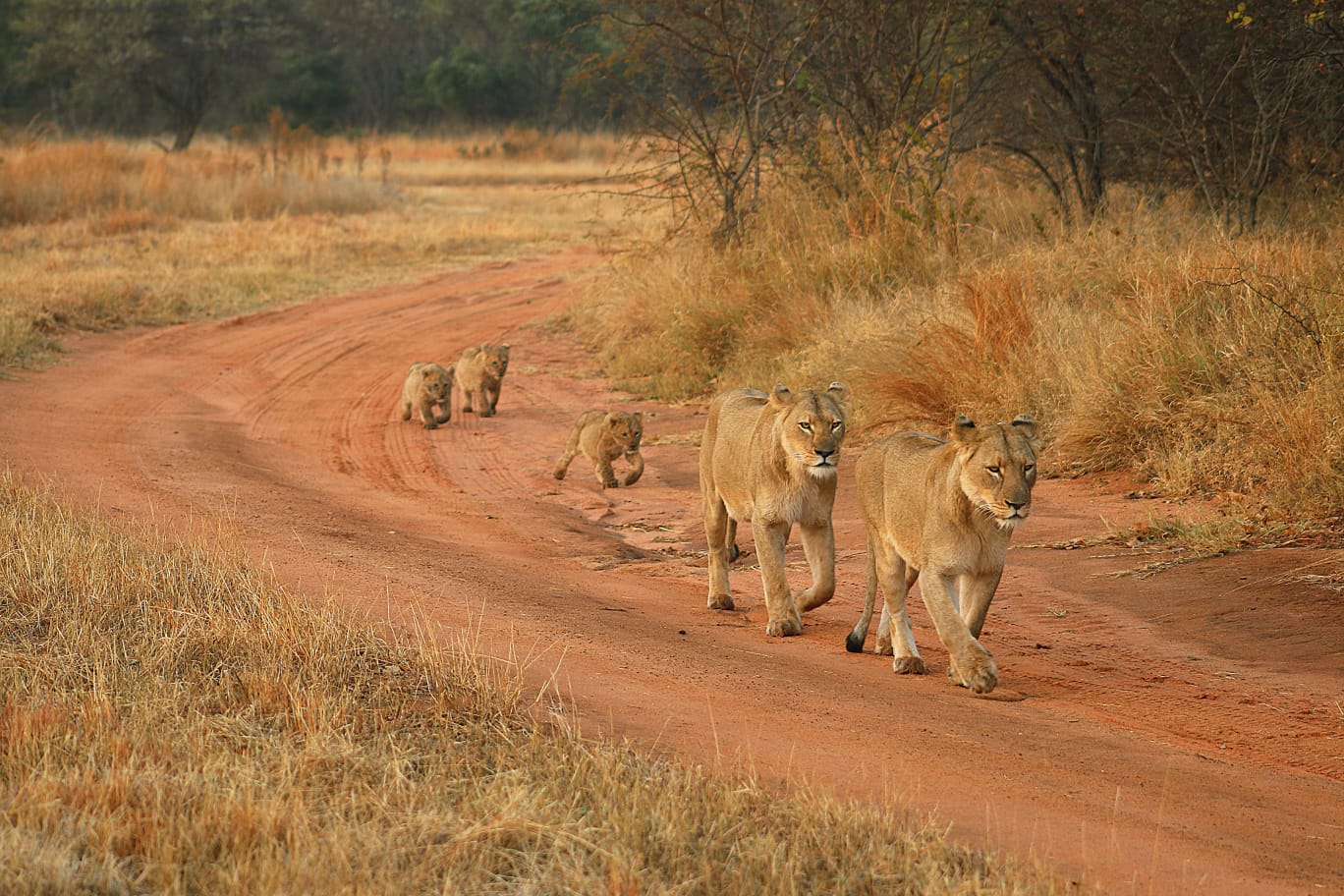
This sighting offered our guests a rare glimpse into the early life of these young lions. We look forward to watching the three cubs grow, become more confident and learn the skills required to survive at Lake Kyle under the watchful care of their devoted mother.
The Male Lions
The male lions are currently spending much of their time walking alone, away from the lionesses. They have been hunting successfully and are showing that they can find and bring down their own prey. Their independent movements allow them to patrol their territory while searching for feeding opportunities.
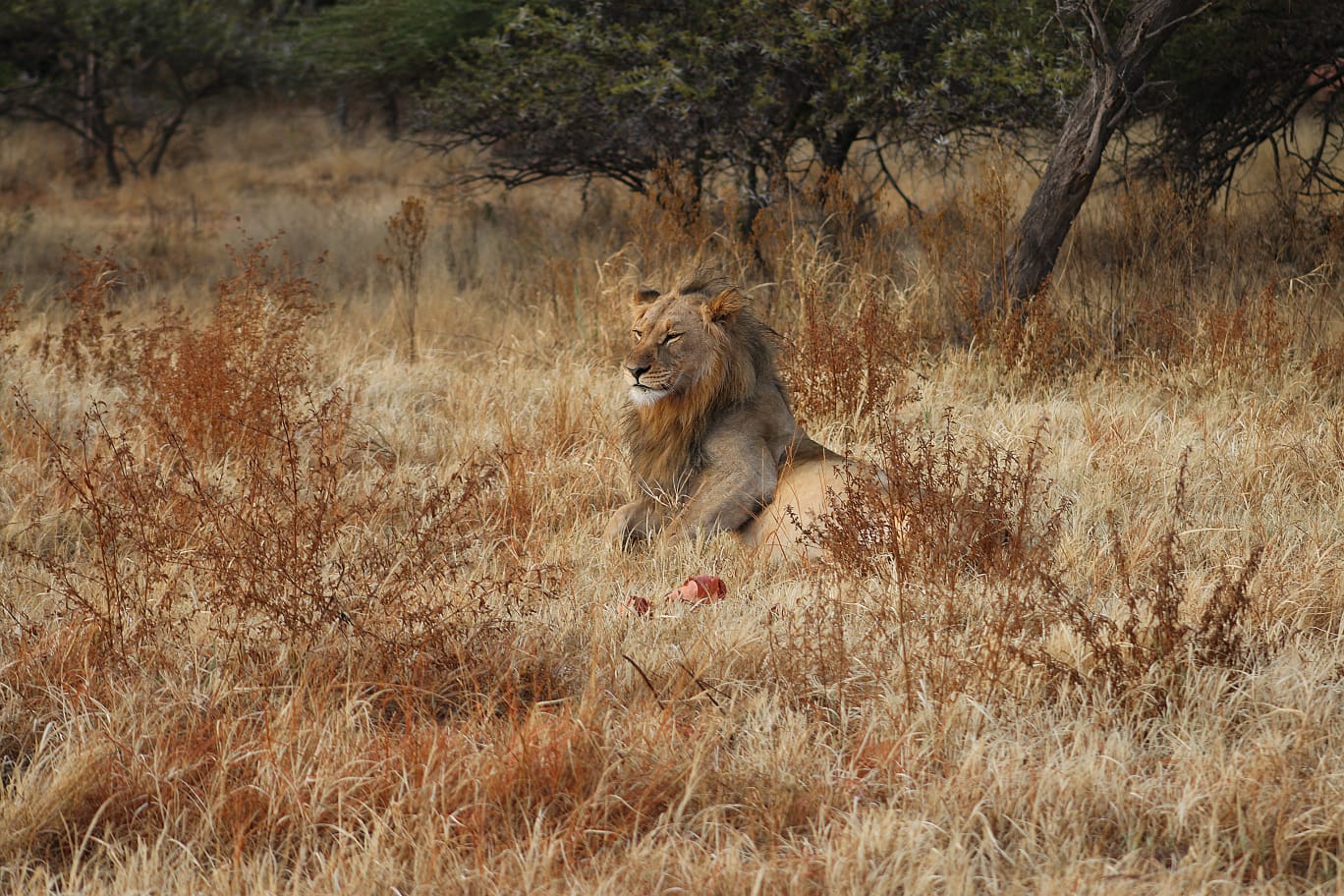
However, lions are also very opportunistic, and even successful hunters will rarely ignore the chance of an easy meal. One morning, the males located the lionesses after they had made a kill and took the carcass from them.
This may appear unfair, but it is natural lion behaviour and demonstrates the dominance of the males within the pride. These sightings continue to offer our guests fascinating insight into the complex relationships, survival strategies and changing dynamics of the Lake Kyle lions.
An Afternoon with the Gentle Giants
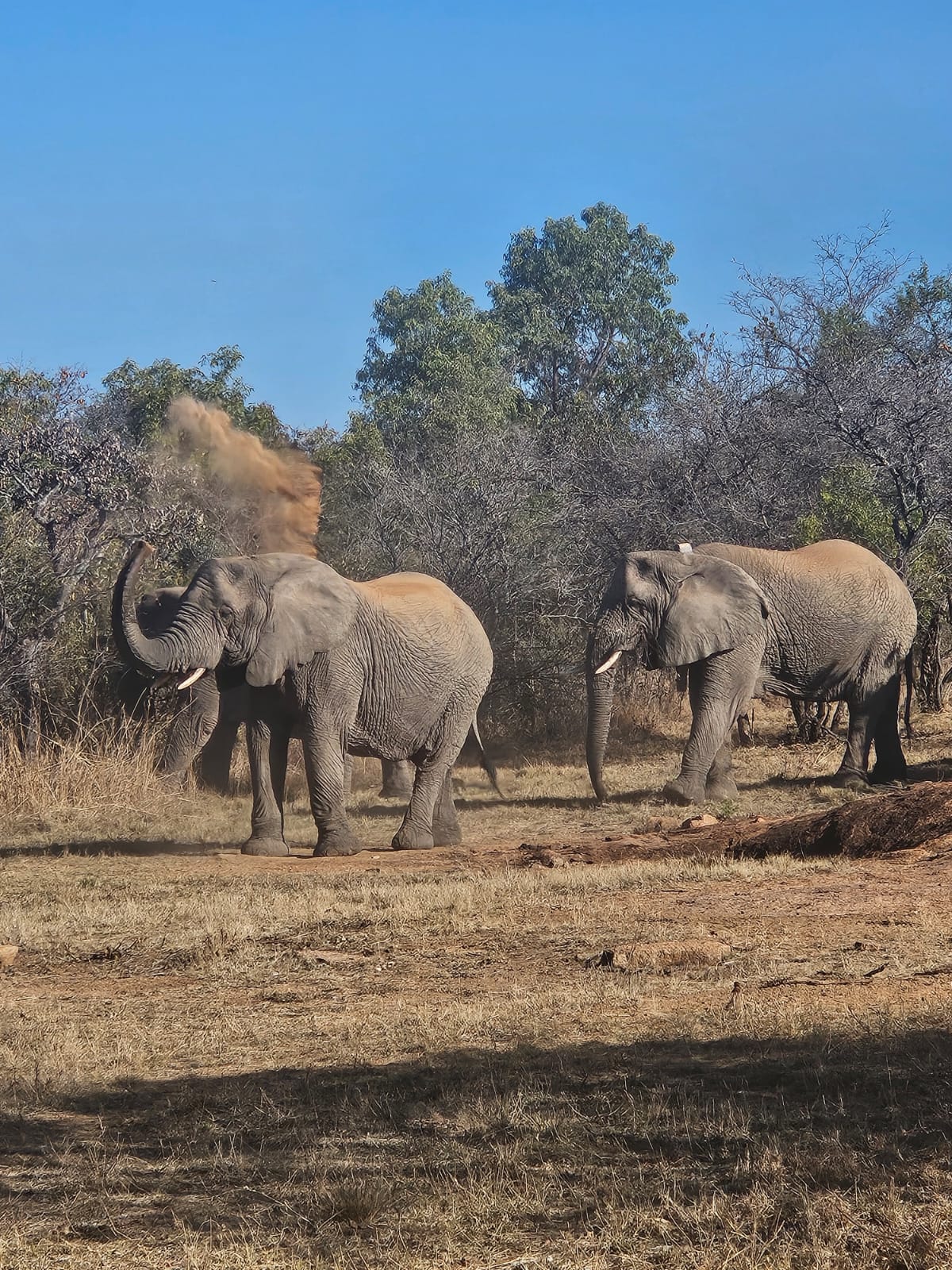
Every so often, the bush gives us an afternoon that could not have been scripted, as if nature itself is checking whether we are paying attention. This afternoon began in the way many memorable safari experiences do, with an exciting call over the radio: "Stations, we have found a breeding herd of elephants."
The guides carefully made their way towards the sighting, where the herd was moving peacefully through the Mabula landscape. Among the adults were several young calves, safely protected within the family group and providing our guests with a wonderful opportunity to observe elephant family life.
Elephants communicate constantly, often in ways that go unnoticed by humans. They use deep, low-frequency rumbles, some below the range of human hearing, as well as ear positions, trunk movements and subtle changes in posture.
A relaxed elephant may swing its trunk loosely and flap its ears gently, while an uncomfortable animal may raise its head, stiffen its body or extend its ears. For a guide, understanding these signals is essential, as it allows us to maintain a respectful distance while ensuring the safety and comfort of both the elephants and our guests.
One of the most entertaining moments was watching the young calves attempting to use their trunks. An elephant's trunk contains more than 40,000 muscles, yet calves are not born knowing how to control this remarkable appendage. They are often seen swinging it in different directions, stepping on it, curling it awkwardly or playfully trying to pick up sticks and grass.
These amusing attempts are an important part of their physical development and always bring smiles to the faces of our guests. Through constant practice and by observing the adults around them, the calves gradually develop coordination, strength and confidence.
They experiment by collecting grass, leaves and small branches, drinking water and interacting with other members of the herd. By approximately one year of age, most calves can use their trunks with impressive skill.
As the herd eventually disappeared into the bush, we were reminded that even the smallest moments, an elephant calf playing with a stick or reaching towards its mother, can become some of the most memorable experiences of a Mabula safari.
Buffaloes Move into the Heart of the Reserve
Following the availability of food, a buffalo herd moves into the central parts of the reserve in search of grass, fresh shoots and leaves during the dry season.
August brought us excellent sightings of buffalo herds throughout the central parts of the reserve. Their presence has created memorable safari experiences, giving guests wonderful opportunities to observe these powerful animals as they move, feed and rest together.
In previous months, buffaloes were commonly seen in the northern parts of the reserve. However, as the dry season progressed, food and water became increasingly scarce in those areas. The herds have therefore moved towards the central parts of the reserve in search of better feeding opportunities.
Buffaloes are primarily grazers, and grass forms the main part of their diet. During the dry season, however, the availability and nutritional value of grass decline. When there is not enough suitable grass, buffaloes may supplement their diet by browsing on shrubs, young shoots and leaves.
This seasonal movement demonstrates how wildlife continuously adapts to changing environmental conditions. The central areas are currently providing the buffaloes with the resources they need, while also allowing our guests to enjoy some remarkable sightings of these impressive members of the Big Five.
General Game Highlights
Hippos
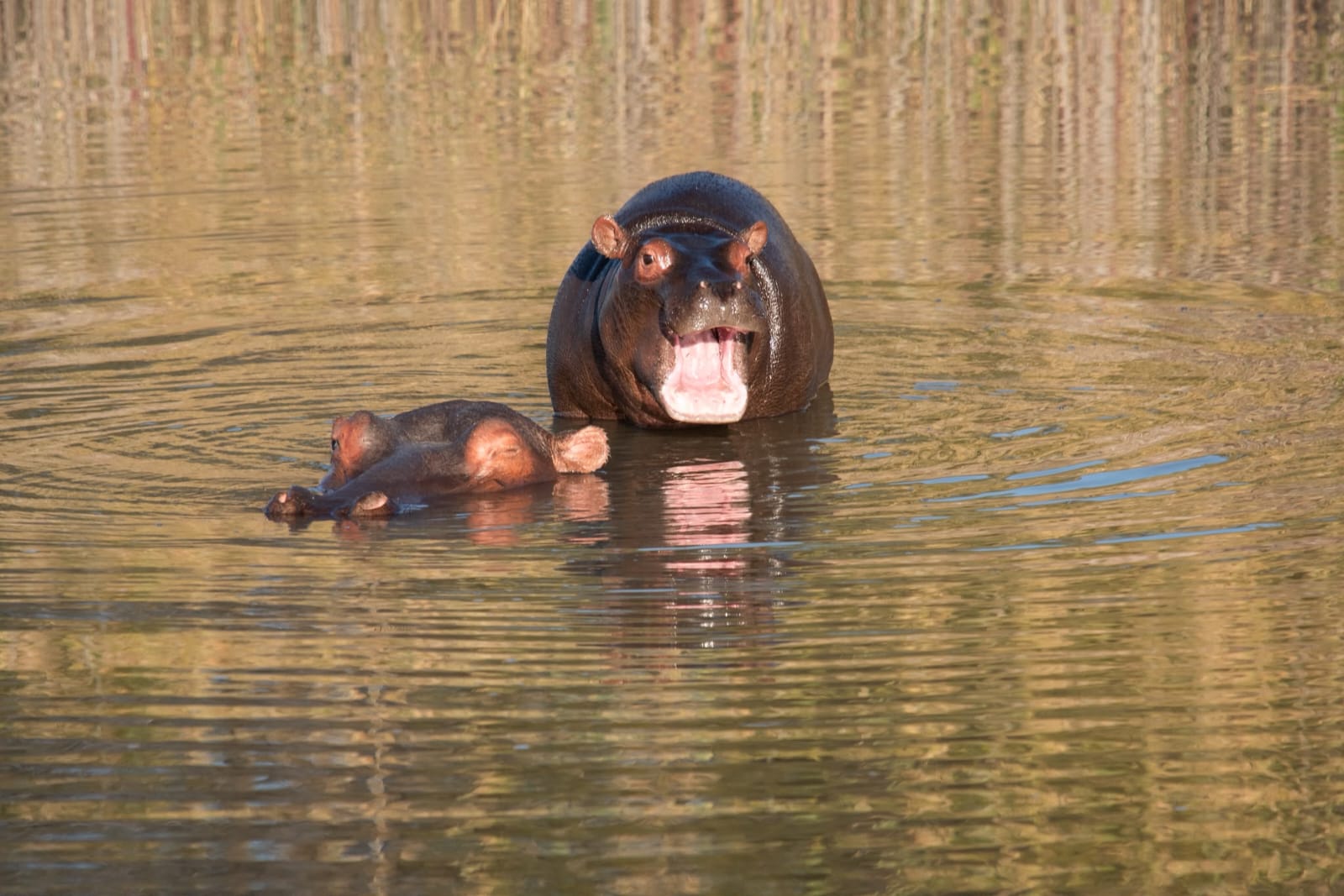
We were fortunate to enjoy excellent hippo sightings this month. Although hippos spend most of the day resting in water to keep their bodies cool and protect their sensitive skin from the sun, they usually leave the water after sunset to graze. During the night, a hippo may travel several kilometres and consume large quantities of grass before returning to the water in the early morning.
Zebras
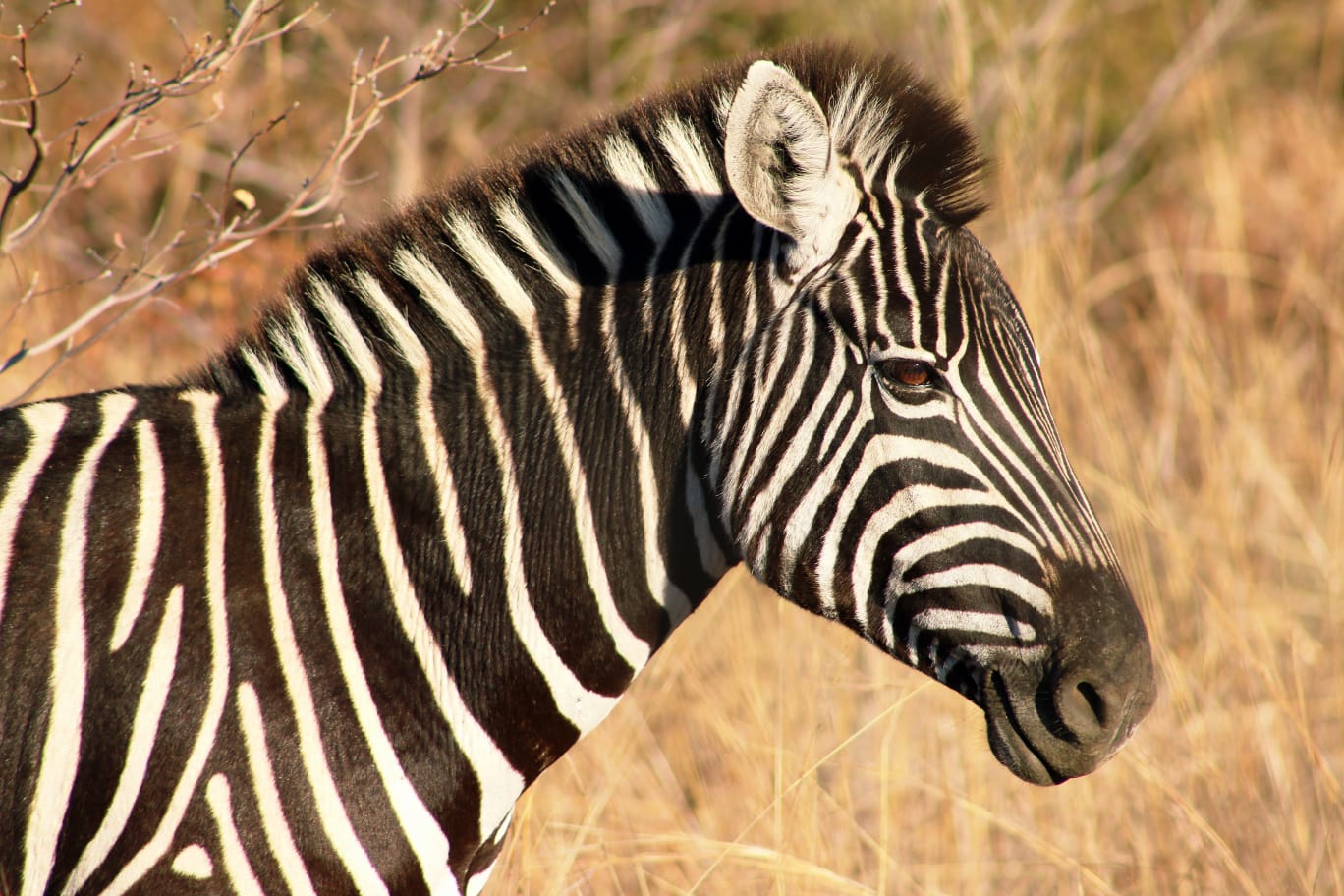
Zebra sightings were also plentiful across the reserve. Every zebra has a unique stripe pattern, much like a human fingerprint. Their stripes may help confuse predators, regulate body temperature and reduce biting insects. Zebras often associate with wildebeest because the two species use different senses to detect danger, improving their overall chances of spotting predators.
Impalas
Herds of impalas continued to bring life and movement to the open plains and woodland areas. These graceful antelopes are exceptional jumpers and can leap impressive distances when escaping danger. They are also mixed feeders, changing between grazing on grass and browsing on leaves and shoots according to seasonal food availability.
Elands
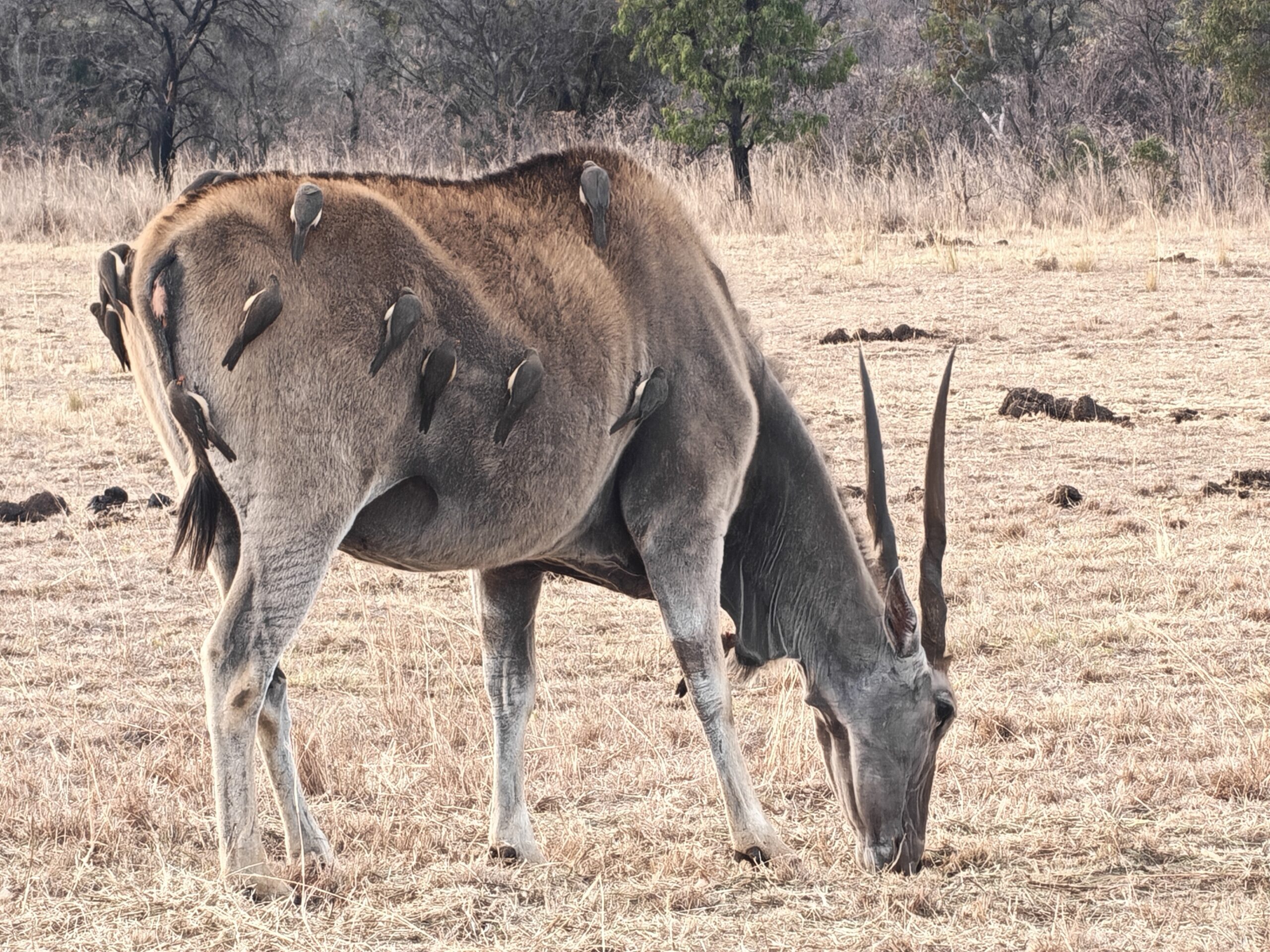
We enjoyed special sightings of elands, the largest antelope species in the world. Despite their considerable size, elands are remarkably agile and can jump over high obstacles from a standing position. They are mainly browsers, feeding on leaves, fruits and fresh shoots, although they may also graze when suitable grass is available.
Crocodiles
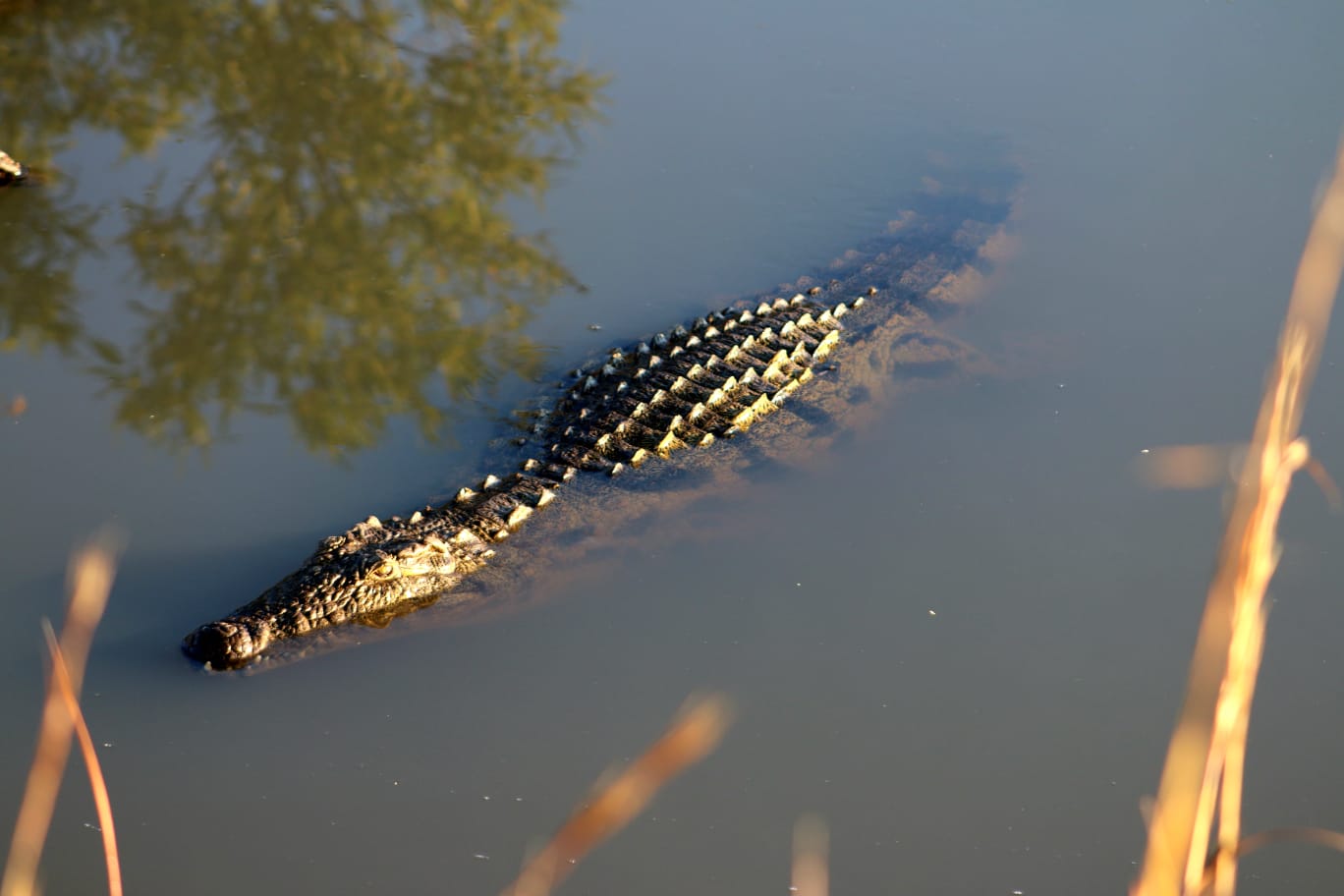
Crocodiles provided fascinating sightings around the reserve's dams and waterways. These ancient reptiles are patient and highly effective predators, often remaining almost completely still while waiting for an opportunity to feed. Their eyes, ears and nostrils are positioned on top of the head, allowing them to observe their surroundings while keeping most of the body hidden beneath the water.
Wildebeest
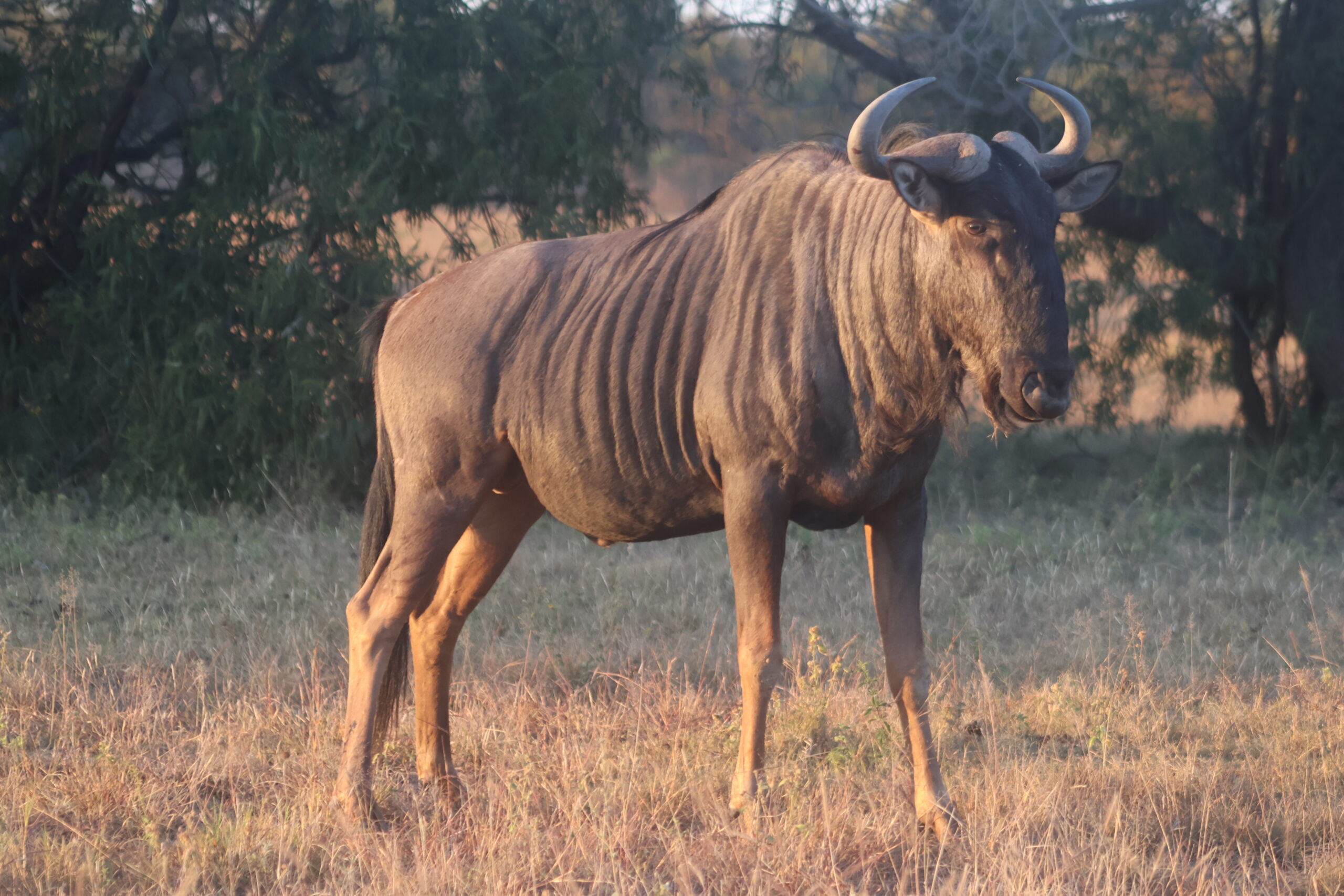
Wildebeest were frequently seen grazing on the open plains, often alongside zebras. They are highly social animals that rely on the safety of the herd and are well adapted for travelling long distances in search of suitable grazing and water. Their strong sense of smell and excellent hearing help them remain alert to predators while feeding.
The Aardwolf Returns
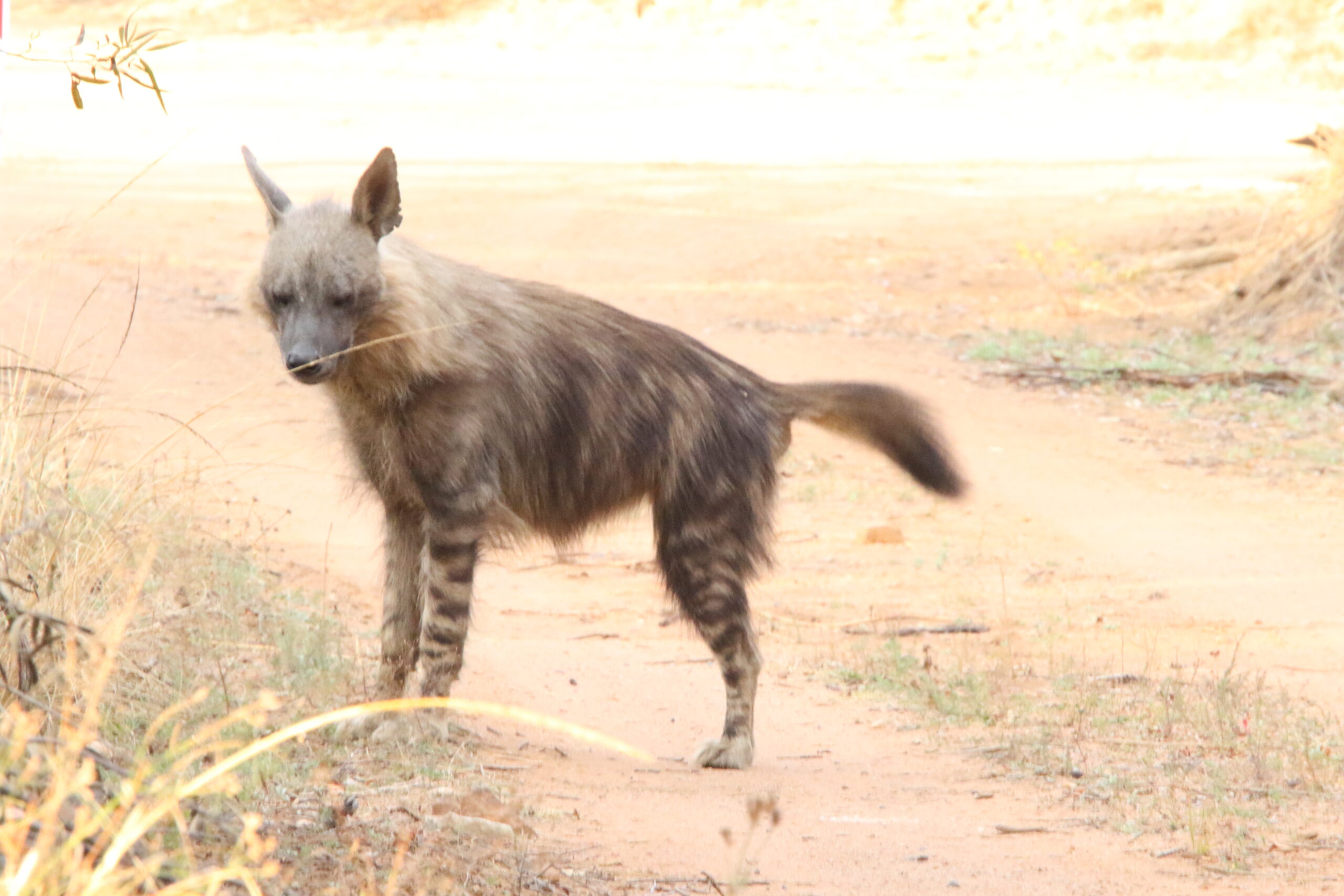
The aardwolf has returned to its den on Reginald Plain, providing our guests with excellent and memorable sightings of this normally shy and nocturnal animal. It has been fascinating to see our guides carefully checking the den area during safari drives, while maintaining a respectful distance to avoid disturbing it.
This rare sighting has quickly become a highlight for both guests and guides.
Spectacular Mabula Sunrises and Sunsets
What an incredible month it has been for spectacular sunrises and sunsets. Each morning, the African sky welcomed us with beautiful shades of gold, orange and pink, creating the perfect beginning to another day of exploration in the bush. The peaceful atmosphere, accompanied by the sounds of birds and wildlife awakening, made every sunrise truly memorable.
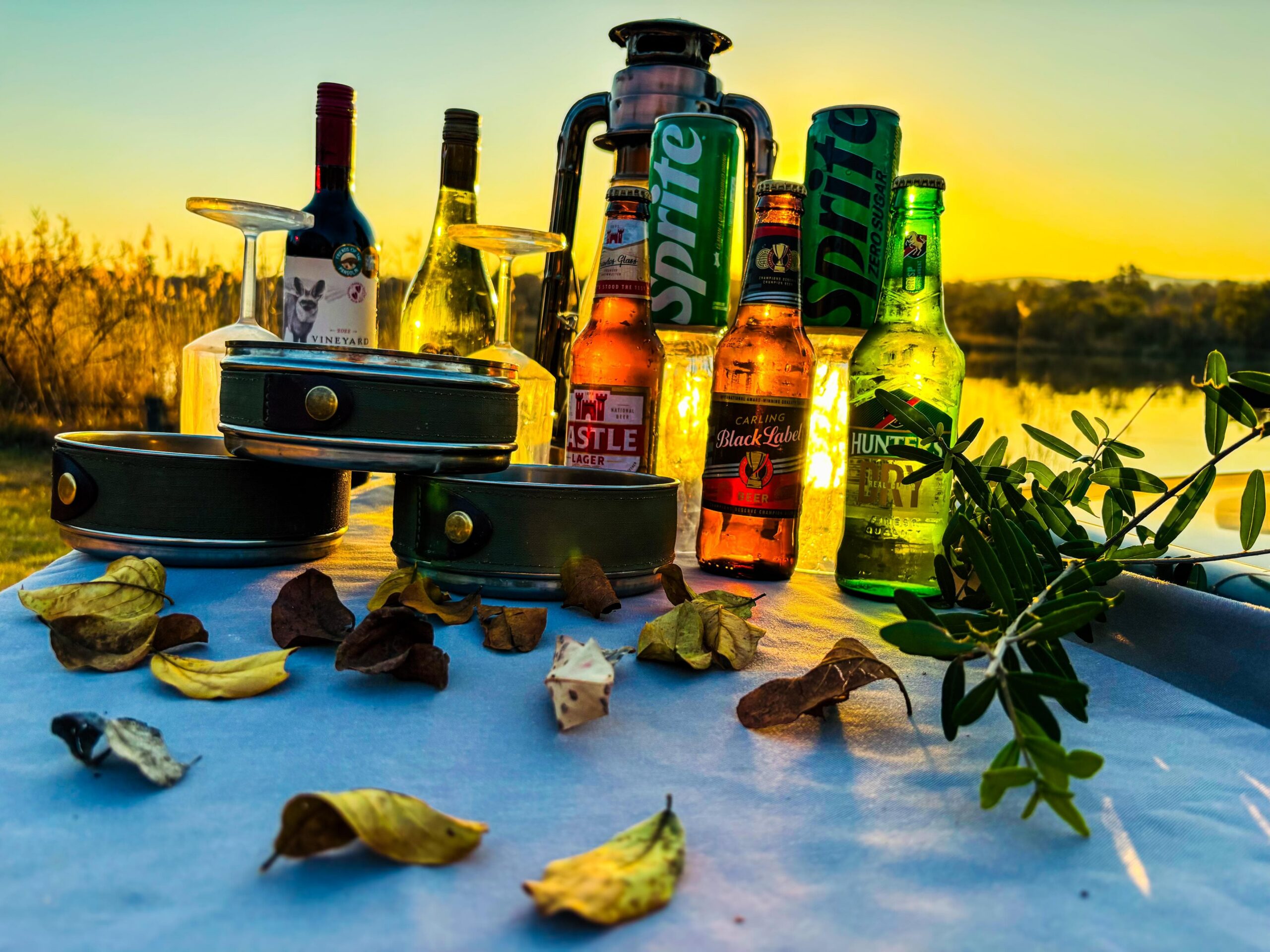
The sunsets were equally breathtaking, making this one of the best months for sundowner stops. Guests enjoyed refreshing drinks while watching the sun slowly disappear beyond the horizon, painting the sky in vibrant colours.
These peaceful moments in the heart of the reserve provided the perfect ending to an exciting safari day and created unforgettable memories for our guests.