Mabula Game Lodge · Guide News · September 2026
Spring returns
to Mabula
Three lion cubs are growing bolder. Two cheetah mothers are raising their young. Across the reserve, giraffes are following the first white blossoms of spring. September at Mabula Game Lodge has brought new life to familiar places, with a few surprises along the way.
For our guiding team, the changing season is an invitation to look a little closer. Fresh shoots, the movement of a buffalo herd and the watchful stare of a giraffe all tell us something about what is happening in the bush. This month’s stories follow those clues, from an unexpected hunt outside my room to a quiet sundowner beneath the African sky.
Spring stirs across the reserve
September is one of my favourite months at Mabula. There is already the promise of rain in the air, and more than 10 mm fell during the early part of the month. Together with warmer days, that welcome moisture has begun to change the landscape. Flowers are appearing, trees are sending out fresh green shoots and the bush is slowly waking after winter.
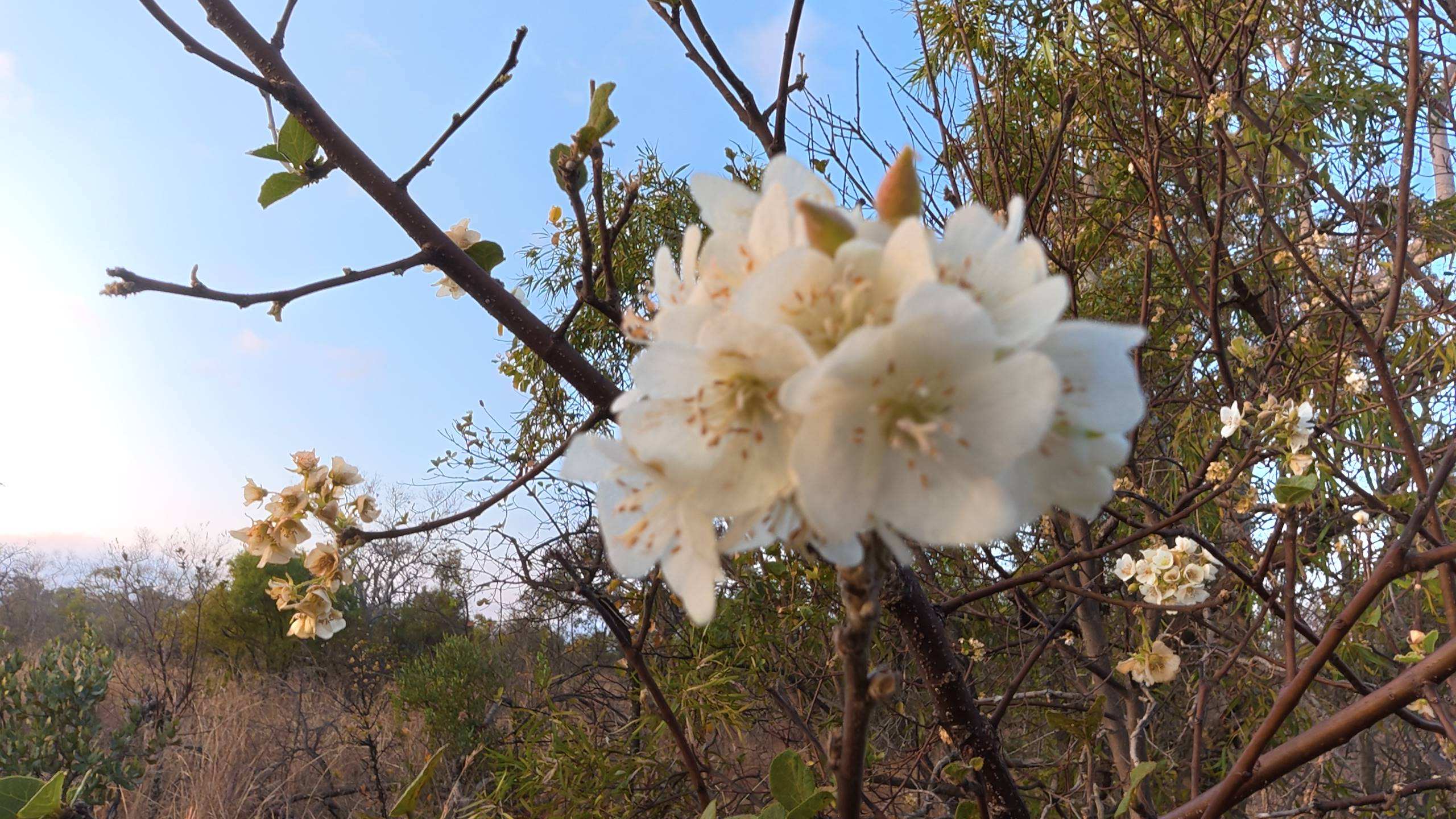
The animals are responding, too. Giraffes are moving between flowering wild pear trees, while buffaloes are taking advantage of fresh growth. Each shift in the season brings a different rhythm to our safari drives.
Rainfall connects so much of what we see. It influences the grazing, the availability of water and where animals choose to spend their time. Larger climate patterns, including El Niño, can affect southern Africa’s weather, but they do not tell the whole story of a particular reserve or season. Early rain is welcome; it is not a guarantee of a wet summer.
As we wait for the summer rains, every cloud on the horizon and every new shoot gives us something to watch. A safari is as much about understanding these connections as it is about finding the animals themselves.
A sky worth staying awake for
Some of our recent highlights have unfolded far above the reserve. Looking back on August, the early morning skies offered a parade of planets, while the annual Perseid meteor shower brought brief streaks of light through the darkness.
On 28 August, a deep partial lunar eclipse added another memorable chapter. Watching the Moon change beneath the African sky was a special experience for our guests and guides, and a reminder to look up as well as out across the plains.
The bush does not fall silent when the sun goes down. Its changing sounds, and the night sky above them, are part of the experience we treasure at Mabula.
An unexpected hunt outside my room
I had planned a quiet morning. With no guests booked for the early safari, I decided to sleep a little later and wake shortly before our operations meeting. Alarm calls and running hooves brought that plan to an abrupt end.
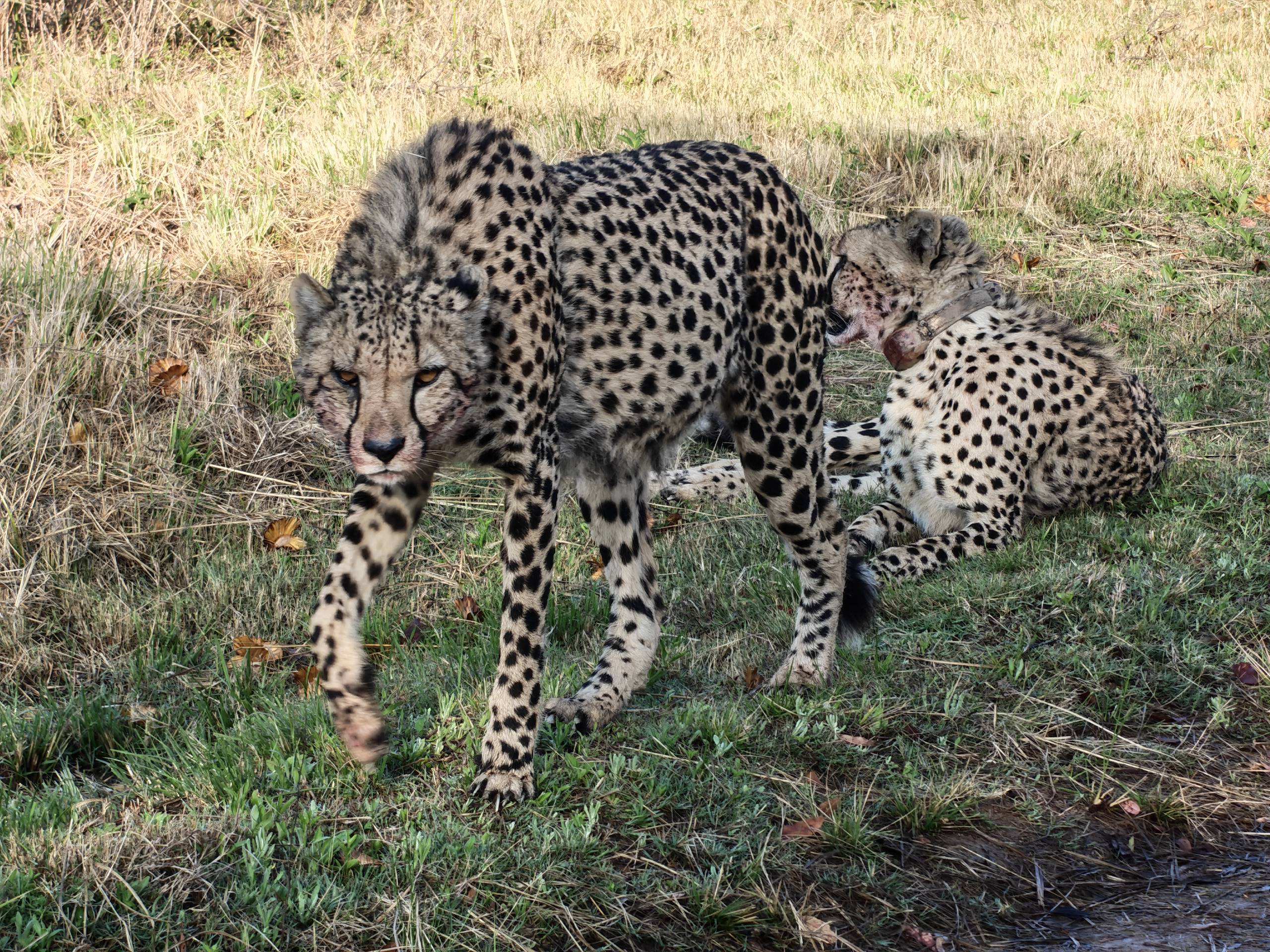
At the window, I discovered that our male cheetah coalition had chased a herd of impalas into the staff quarters. The impalas scattered between the buildings, searching for a way out. Most escaped, but the cheetahs caught one only a short distance from my room.
Male cheetahs sometimes form coalitions, often with brothers. These partnerships are one of the fascinating features of cheetah life. A hunt depends on speed, acceleration and agility, and even a brief pursuit can change direction in an instant.
That morning was a vivid reminder of how unpredictable life on a wildlife reserve can be. I had hoped for a little extra sleep. Instead, I witnessed one of the month’s most unexpected encounters without leaving my room.
Three lion cubs finding their feet
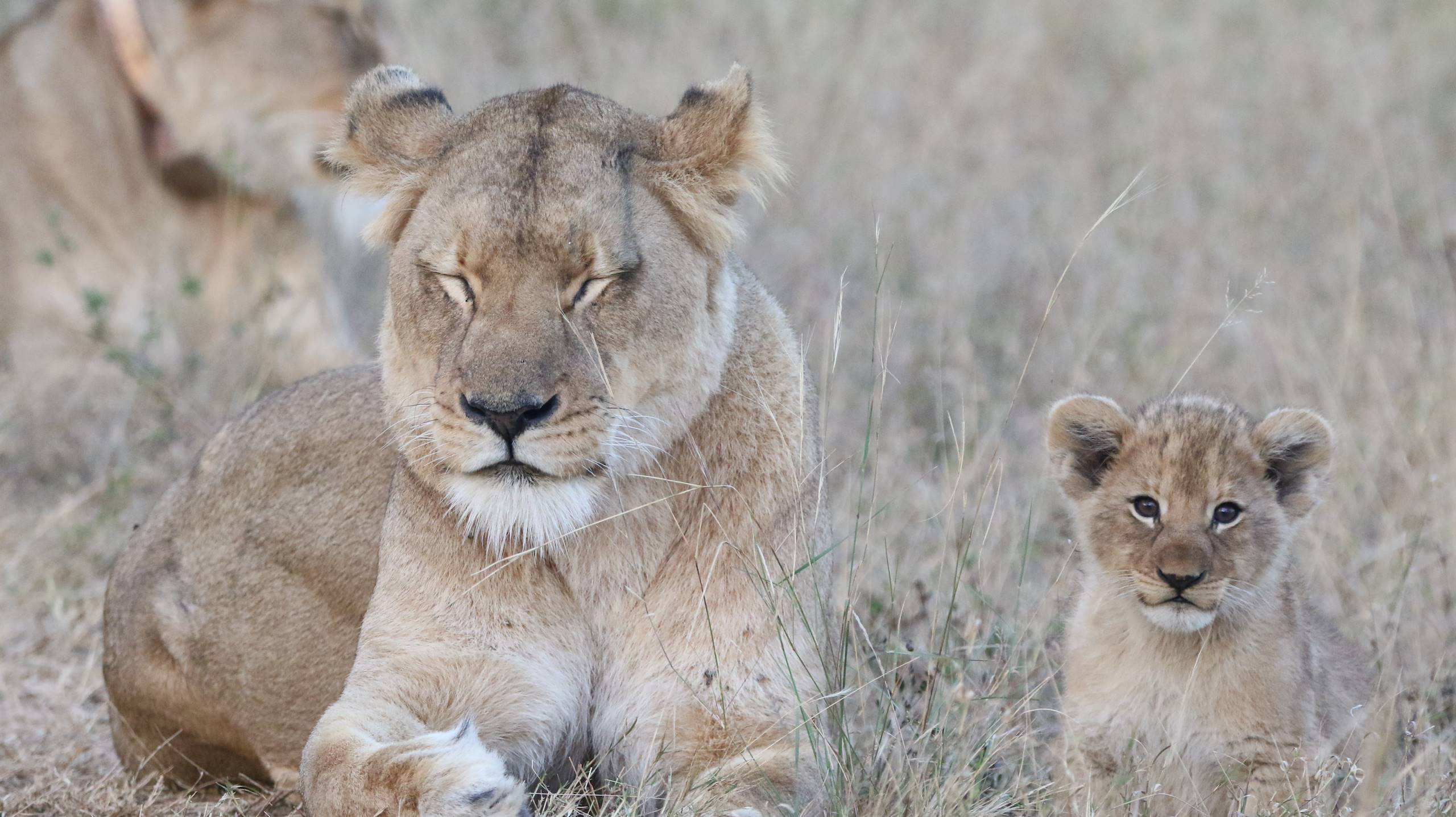
Watching lion cubs grow is a story told in small changes. Legs become longer, movements more confident and personalities easier to recognise. Even when a few weeks pass between sightings, the difference can be striking.
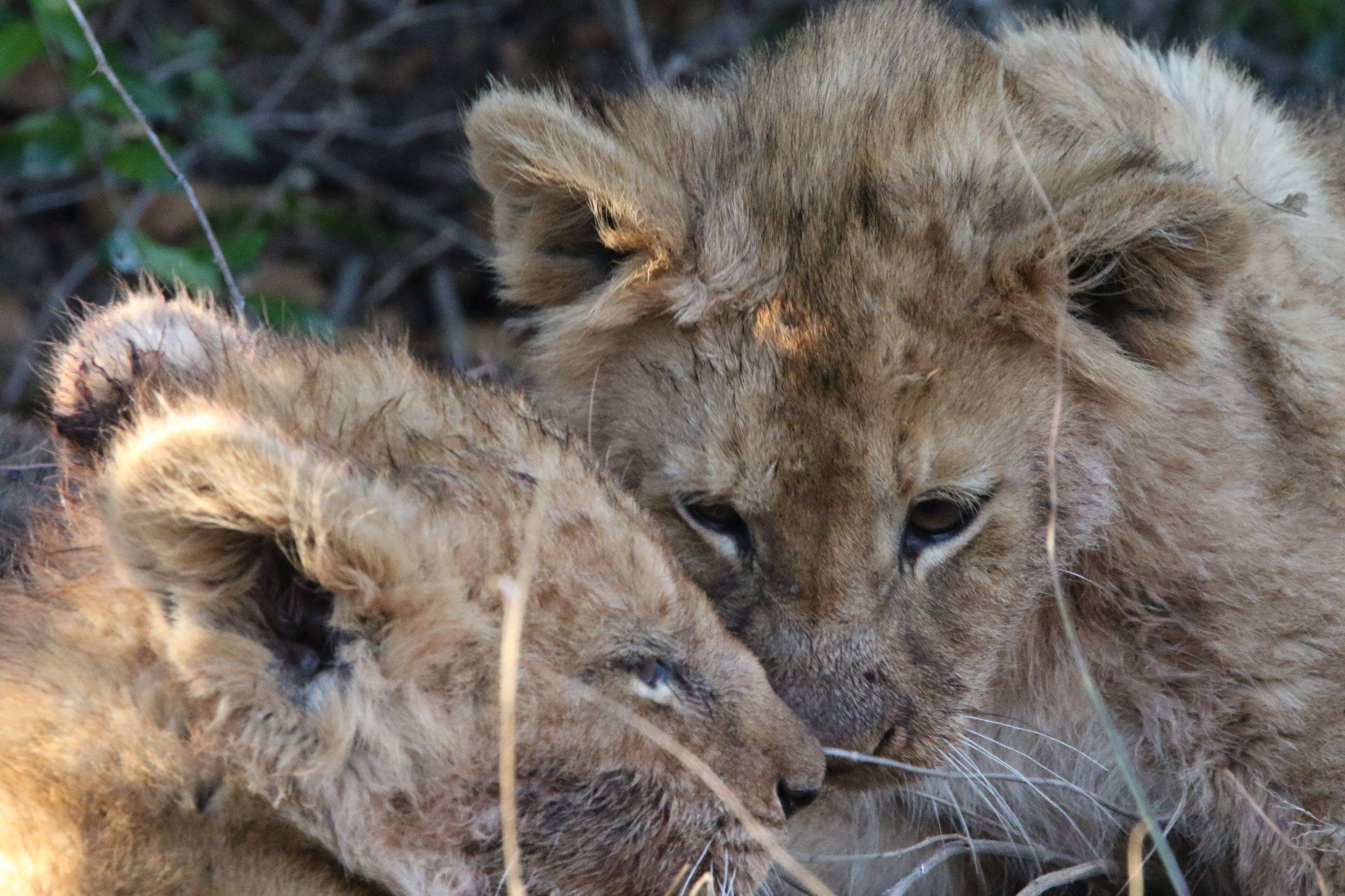
Our first update on the two Mabula lionesses and their three cubs came on 21 May 2026. At the time, we estimated that the cubs were only one or two months old. They spent much of their time concealed at den sites, venturing out occasionally under their mothers’ watchful eyes.
By September, their world had begun to expand. We enjoyed several sightings on the eastern side of the reserve, near the Serengeti Plain area. The youngsters were spending more time exploring, wrestling and chasing one another. What looks like play is also practice for the coordination and hunting skills they will need as adults.
Their mothers continue to do the demanding work of feeding a growing family. During one memorable encounter, the lionesses brought down a zebra before leading the cubs to feed. A more recent wildebeest hunt provided another important meal.
The most encouraging news from our September sightings is that all three cubs appeared healthy and were growing well. They were following their mothers over greater distances, learning the territory and watching the adults at work.
We do not find the family on every drive, which makes each encounter all the more rewarding. For now, we are enjoying every glimpse of three curious youngsters and the two devoted lionesses guiding them through their first months.
A hopeful chapter for Mabula’s cheetahs
For our guiding team, the sight of a cheetah mother with cubs carries particular meaning. Mabula’s cheetah population has faced difficult years, including the loss of Ukulima, a successful mother who died following an encounter with a leopard. Other females and cubs were also lost through conflict with predators.

The Reserve Management Division reviewed its approach. The previous male coalition was relocated to another reserve, and Katlego and Isago were introduced, together with two females, Queen and Atsile.
Our September update brings encouraging news: Queen has been seen with two cubs, and Atsile with four. Both mothers are raising their young in an environment where survival demands constant vigilance. These sightings are a hopeful development, even as the challenges of growing up in the wild continue.
Open savannas, long grass, fallen trees and denser vegetation offer different opportunities for hunting and concealment. The mothers have used areas including Mannekamp Plain, Ngorongoro Plain, Mvubu Plain, Reginald Plain and Rainmeter Plain.
Finding them still takes patience. Following two years of good rainfall, the grass has remained unusually long, and a cheetah’s coat can disappear remarkably well into it. Sometimes, the best clue comes from another animal.
The giraffes that gave us a clue
One morning on Long Winding Road, a guest noticed giraffes in the distance. Their necks and heads rose above the grass, but they were not feeding. They were standing alert, staring in one direction.
I explained that they had probably seen something they did not like, and that it might be something we would be very excited to find. At first, we could see only wildebeest and a buffalo. We kept looking near Sour Plum Road.
During a short guided walk near the sickle-bush thickets, a white tail tip flicking beneath a tree caught our attention. Through binoculars, we recognised Katlego and Isago.
Our guests were visiting South Africa and Mabula for the first time, and had never seen cheetahs. Back in the vehicle, we repositioned and watched the males walk past alert zebras and giraffes before settling beneath a Vachellia tree.
It was a wonderful example of how observation can unlock a sighting. The giraffes had given us a clue; patience helped us follow it.
Following the flowers with Mabula’s giraffes
Giraffes have been a familiar sight across the reserve this month, from open plains to thicker woodland. One of their seasonal attractions is the wild pear, Dombeya rotundifolia, whose white blossoms brighten the landscape as winter gives way to spring.
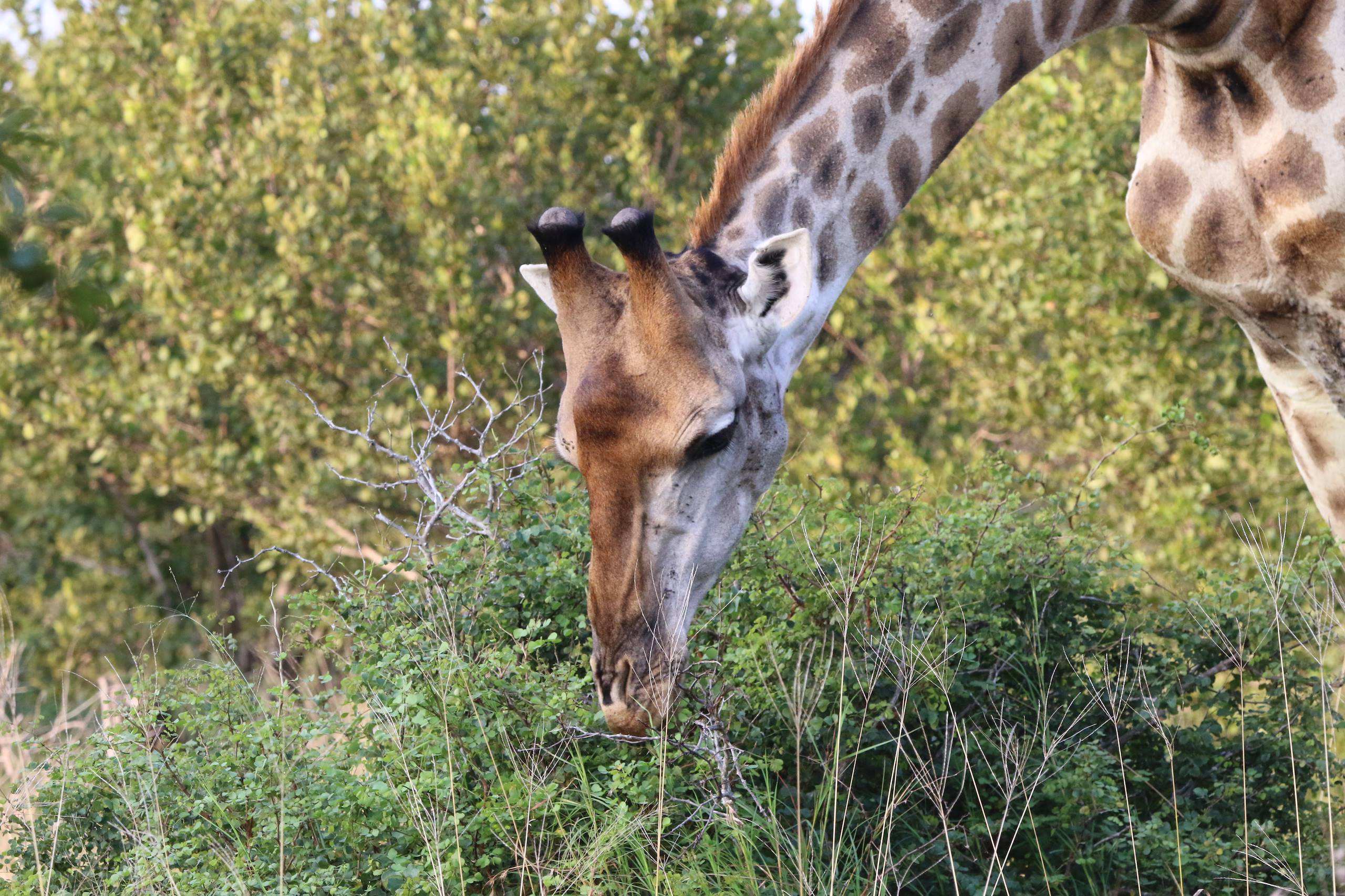
The flowers often appear before the new leaves. For browsing animals, that burst of growth is a welcome change after the dry months. We have watched giraffes move from tree to tree, using their flexible tongues and lips to select blossoms and developing buds between the branches.
Winter calls for selective feeding and movement between suitable trees. As spring advances, fresh leaves, shoots and flowers begin to broaden the menu. The giraffes’ height gives them access to vegetation beyond the reach of many other herbivores, while Mabula’s variety of indigenous trees helps support them through the changing seasons.
Watching them follow the flowering wild pears has been one of September’s quieter pleasures. It is a beautiful illustration of the relationship between a tree, a season and the animals that depend on both.
The buffalo herd returns to the plains
In the previous month, the buffalo herd spent much of its time between Kwaf Highway and Hunters Dam. Water remained in several gullies after the preceding rainy season, and the combination of grazing, shelter and water kept the herd in the area for weeks.

Buffalo movements follow the resources they need. When an area offers suitable food, water and resting places, a herd may stay for some time. As conditions change, it moves through its wider home range.
This month, we saw the herd emerge into the more open country around Reginald Plain and Rainmeter Plain. Those sightings gave guests a chance to appreciate the herd as a whole, with animals of different ages feeding and travelling together.
On one drive, the entire herd crossed the road in front of our vehicle. We switched off the engine and waited for about 20 minutes as buffalo after buffalo passed by. There was no need to hurry. Watching the group move at its own pace was the encounter.
Elephants emerge from the mountains
Elephants proved more difficult to find this month, making a sighting near Nyathi Dam especially rewarding. I was in the right place as a herd descended from the mountains and made its way towards the water after feeding higher on the slopes.
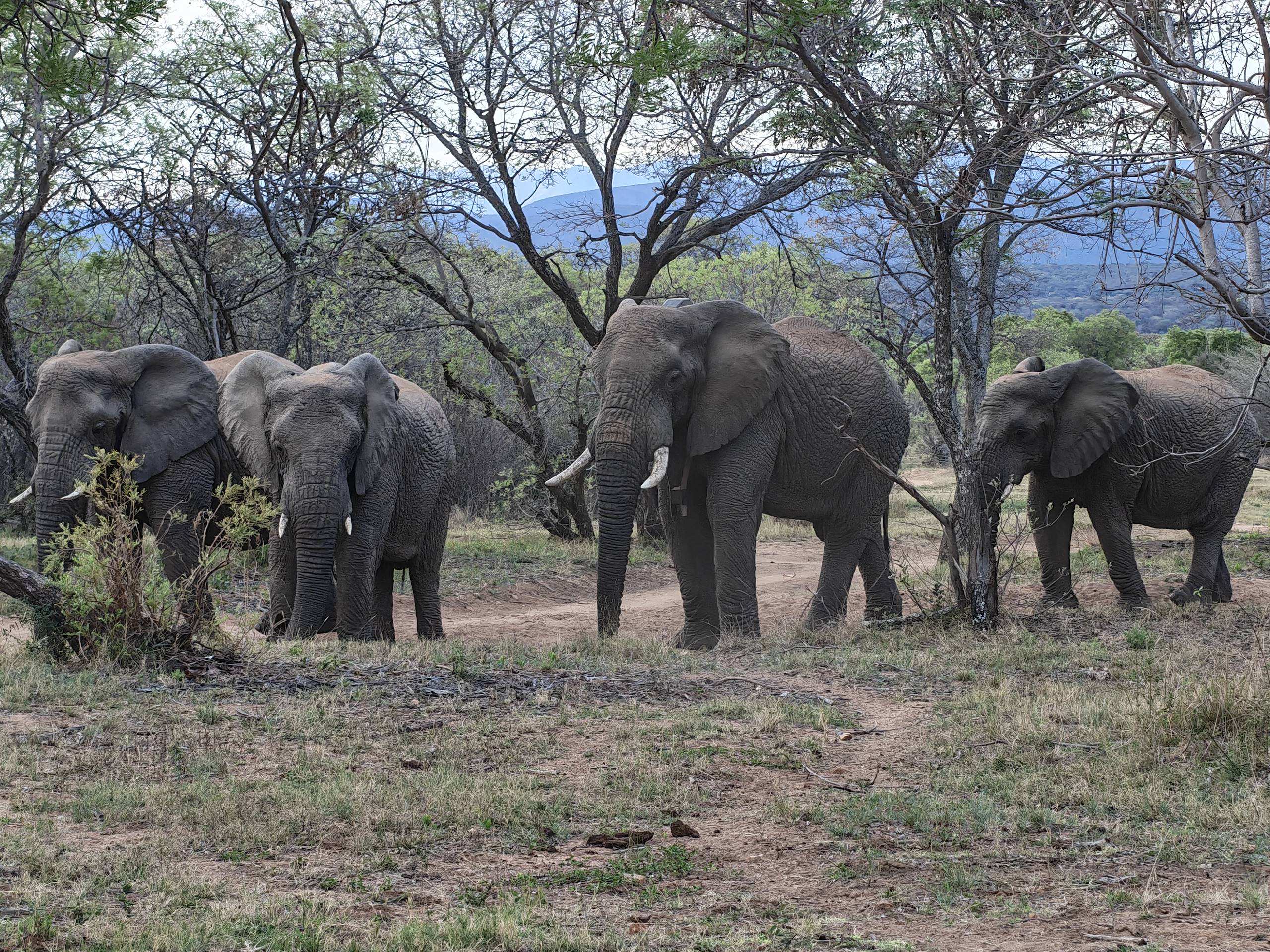
They approached the dam, drank and then began dust bathing. Trunks lifted fine sand and sent it over their bodies, surrounding the herd with drifting clouds of dust.
Dust bathing helps elephants care for their skin, and it can also become a lively social moment. After a month of more elusive sightings, watching this herd drink and dust bathe was well worth the wait.
A sundowner to finish the story
An afternoon safari has its own rhythm, and a well-chosen sundowner stop brings it to a gentle close. Our guides find a suitable location, set out drinks and snacks prepared by the chefs, and give guests time to stretch their legs and reflect on the drive.
As the sky turns gold, orange and crimson, the sounds around us begin to change. Daytime birds give their final calls, while nocturnal creatures start to make themselves heard.
There is time to talk about a favourite sighting, or simply to stand quietly and take it in. After the excitement of lion cubs, cheetahs and great herds on the move, these unhurried moments belong in the story, too.
Safari greetings,
Isaiah Banda and the Mabula family
Find your own Mabula moment
Every safari follows a different story. Explore Mabula’s safari experiences, plan your stay at Mabula Game Lodge, or enquire about your next bushveld escape.