Written by Isaiah Banda
A Season of Transition, Power & Rare Encounters
April arrived softly over Mabula Game Lodge, carrying with it a quiet transformation that only those deeply connected to the bush truly noticed. The heavy summer rains have begun to ease, leaving behind a landscape that feels full, alive, and deeply nourished. Mabula bush stands thick and green, yet there is a subtle shift, a golden hint creeping into the grasses, whispering of the dry season that lies ahead. The air is cooler now, especially in the mornings, where the first light of day breaks through a soft mist, creating an almost dreamlike safari experience.
Earth Week provided a meaningful opportunity for us at Mabula Game Lodge to reflect on our role in protecting the natural environment that surrounds us. As custodians of this reserve, it is our responsibility to lead by example, ensuring that the wildlife, landscapes, and biodiversity we are privileged to host are protected for future generations.
As the days unfold, the temperatures remain gentle and forgiving, allowing guests to fully immerse themselves in the rhythm of the bush. The afternoons stretch into perfect safari weather, warm enough to feel alive, yet cool enough to sit comfortably and observe. Evenings, however, bring a refreshing chill, where blankets, warm drinks, and quiet conversations become part of the experience. This is the time of year where nature invites you to slow down, to observe more closely, and to truly feel the wilderness around you.
April also carries a deeper meaning beyond the reserve itself. It is a time globally recognized for reflection on our environment, with Earth Day reminding us of our responsibility to protect the very landscapes we are privileged to experience daily. At Mabula, conservation is not a once-off event or a symbolic gesture, it is a living commitment, embedded in every decision, every safari, and every moment shared with our guests.
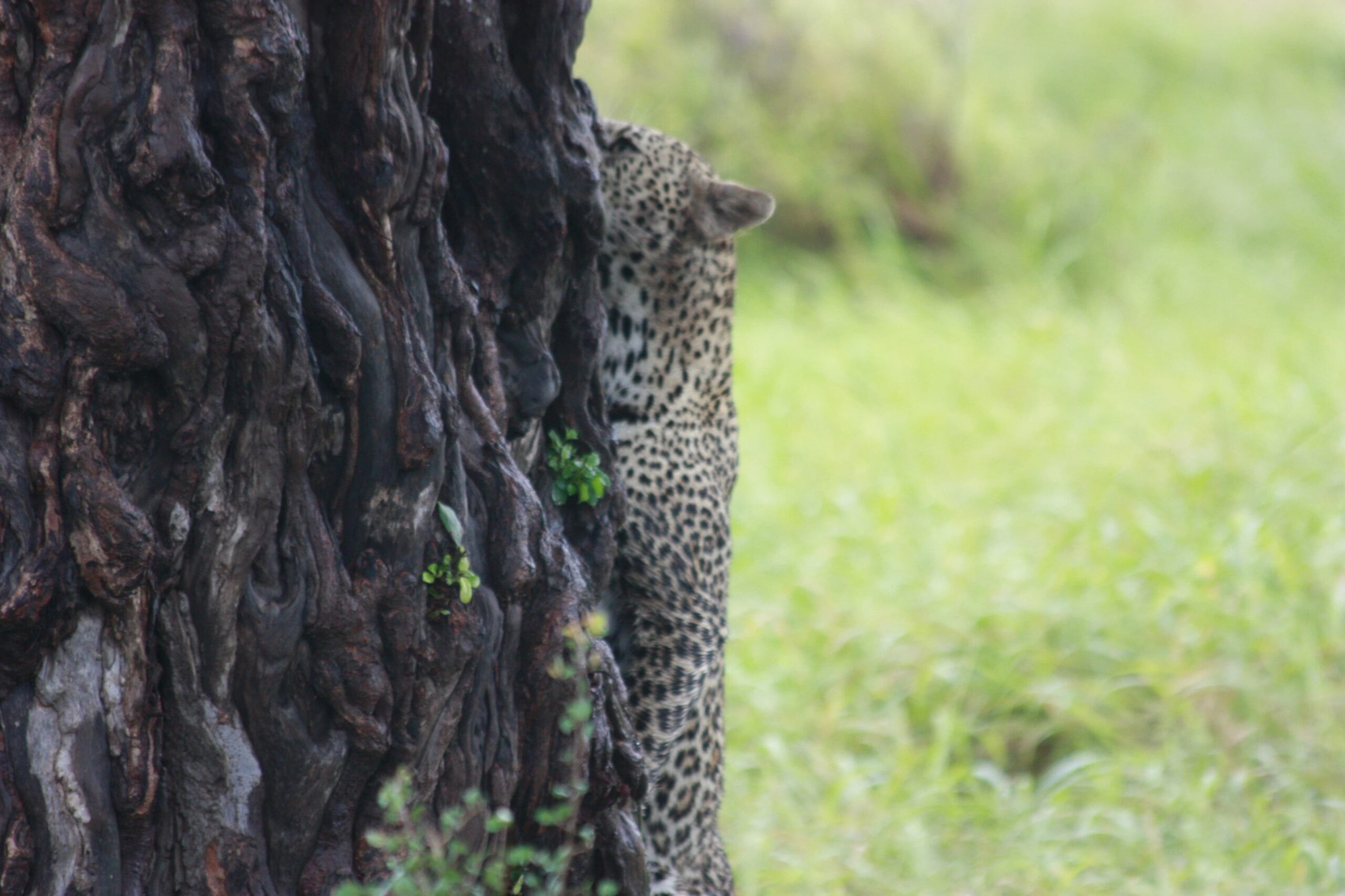
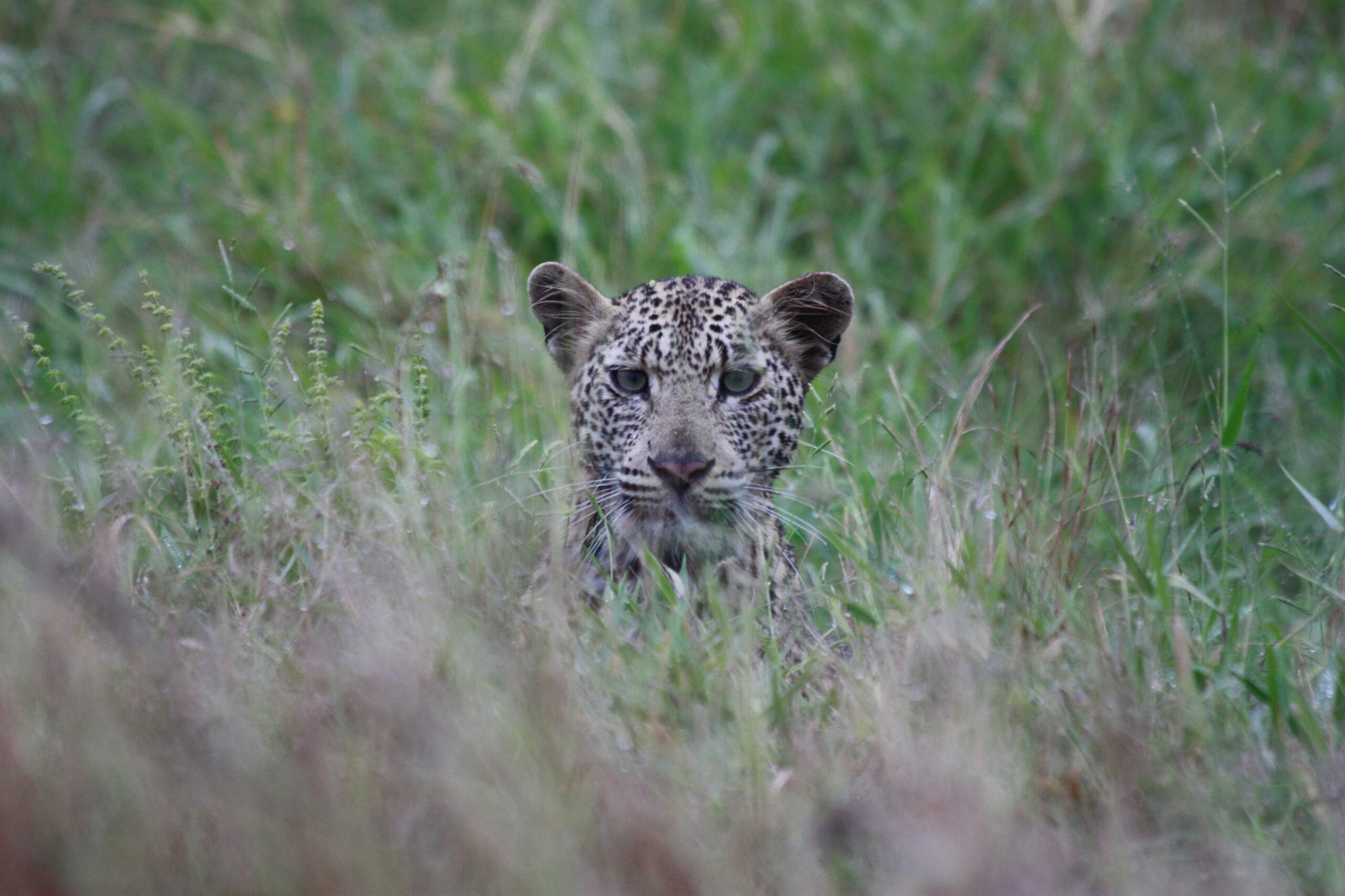
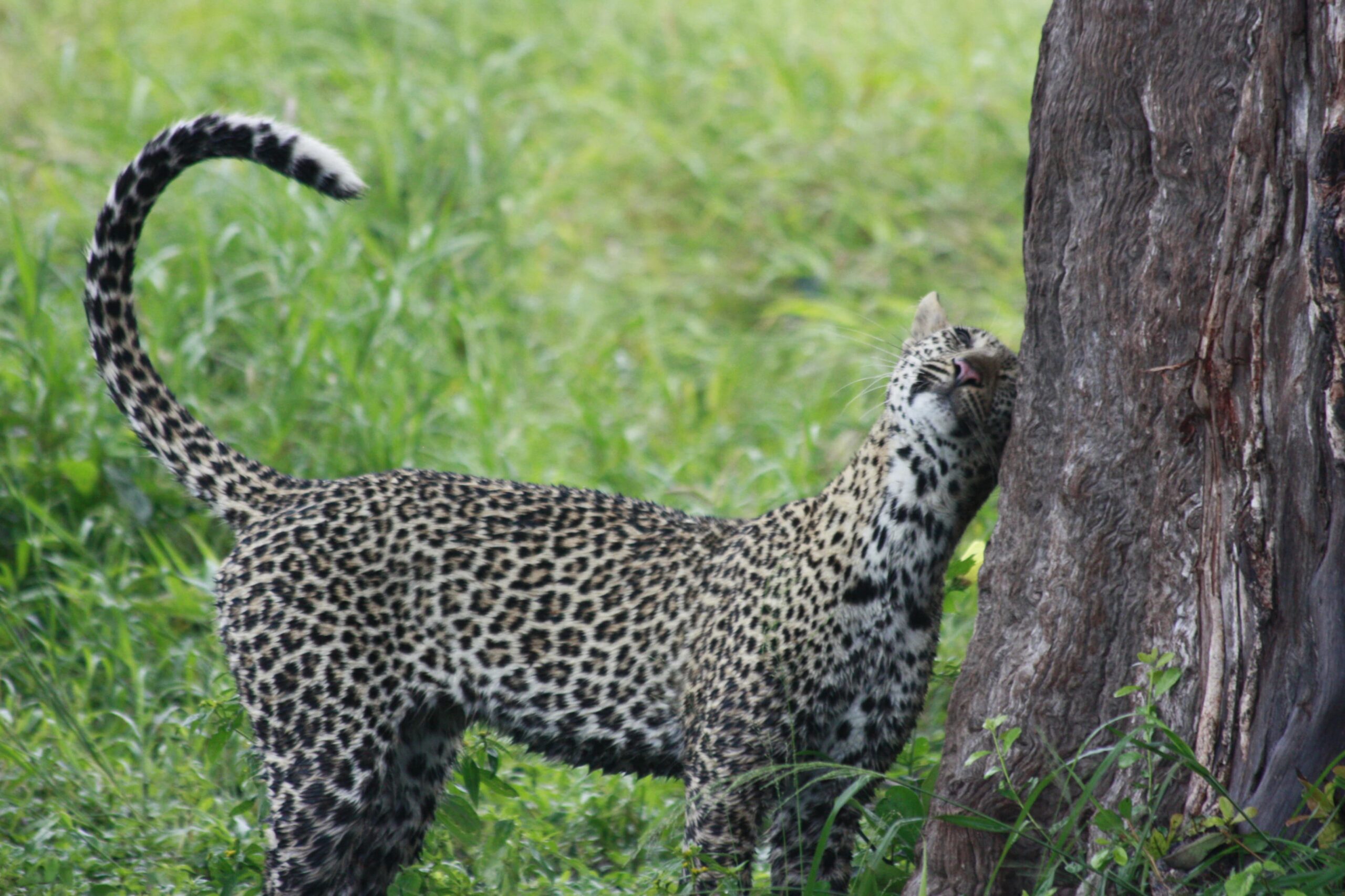
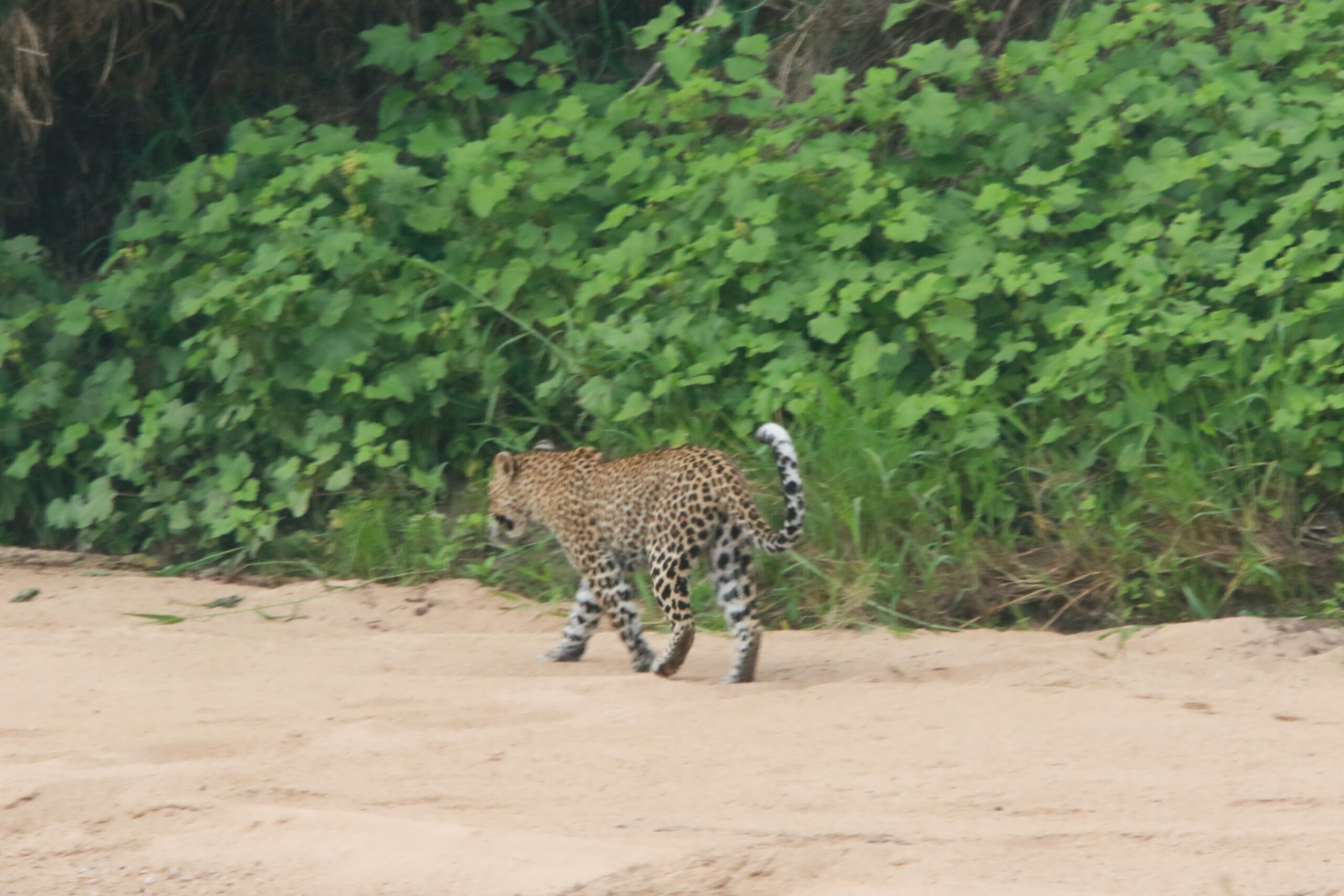
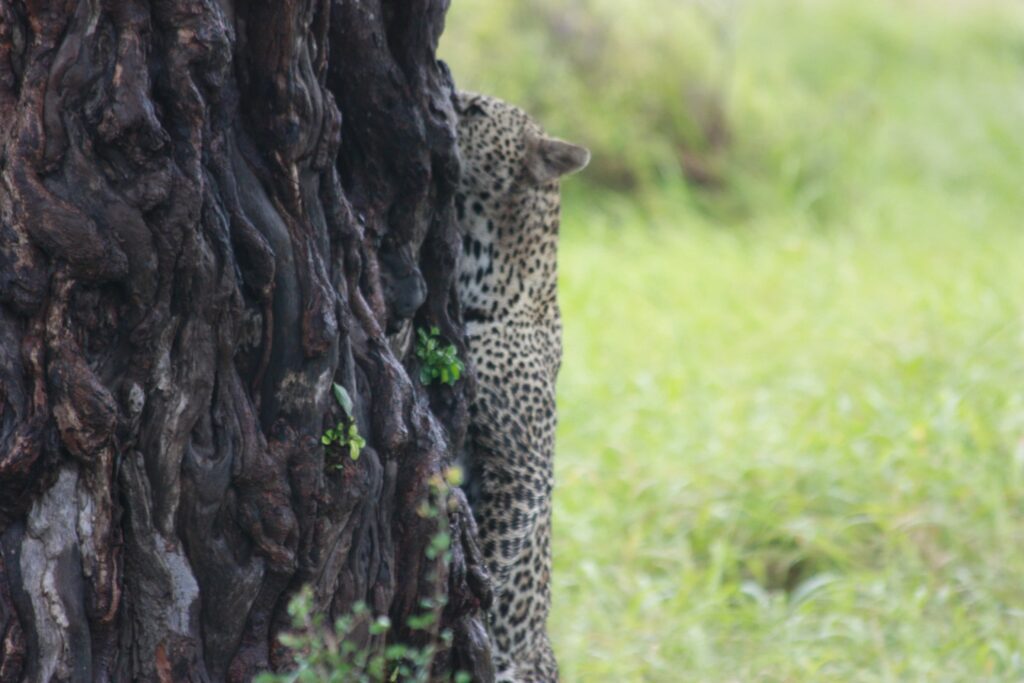
And perhaps it is this deep connection to nature that made one of the most unforgettable sights of the month so profoundly special. There are few moments in the bush that compare to encountering a leopard, not because of its size, nor because of its strength alone, but because of its rarity. Leopards are masters of invisibility, moving silently through the bushveld, perfectly adapted to remain unseen. On Mabula Game Lodge, they are known to exist, their presence confirmed through tracks, calls of alarmed prey, and the occasional fleeting glimpse, yet they remain one of the most difficult animals to encounter.
This is what makes every leopard sighting on Mabula so incredibly special. Days, weeks, and sometimes even months can pass without a confirmed sight, creating a sense of anticipation and quiet hope among both guides and guests. Unlike other predators that dominate the landscape openly, the leopard lives in secrecy, choosing when and if it allows itself to be seen. The bush, however, has its own way of rewarding patience.
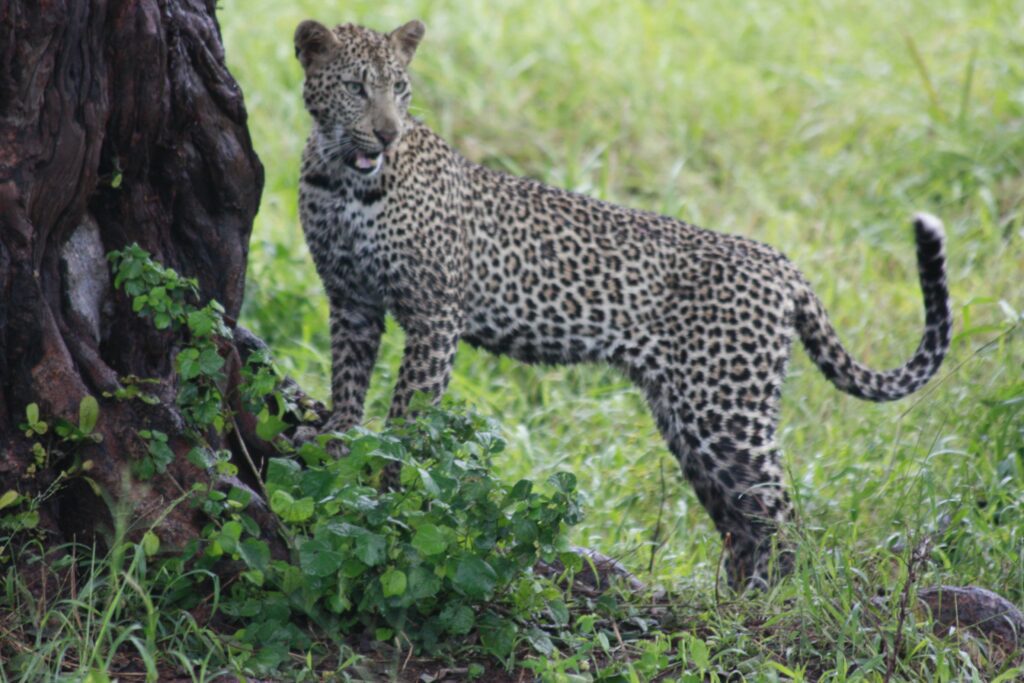
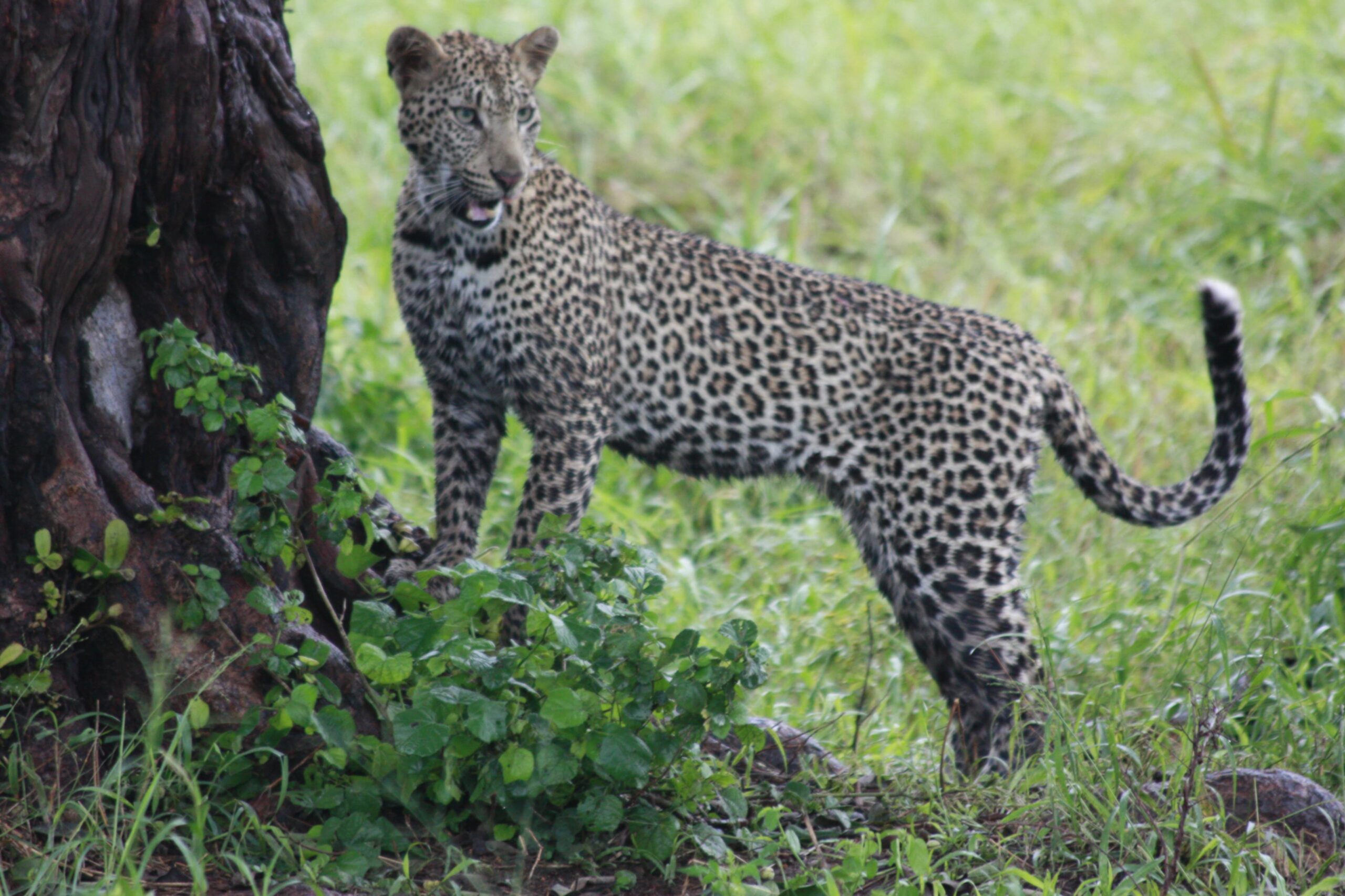
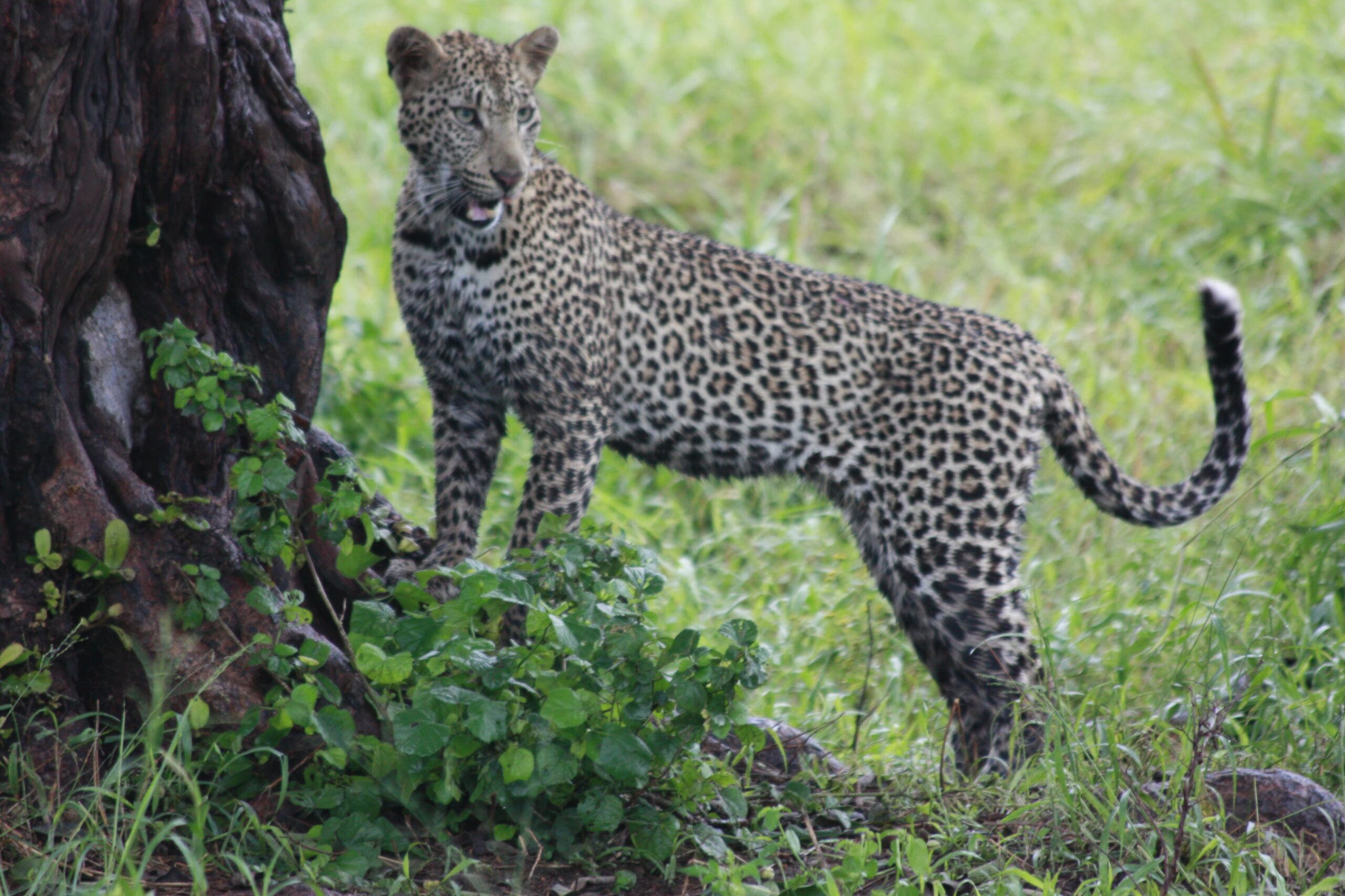
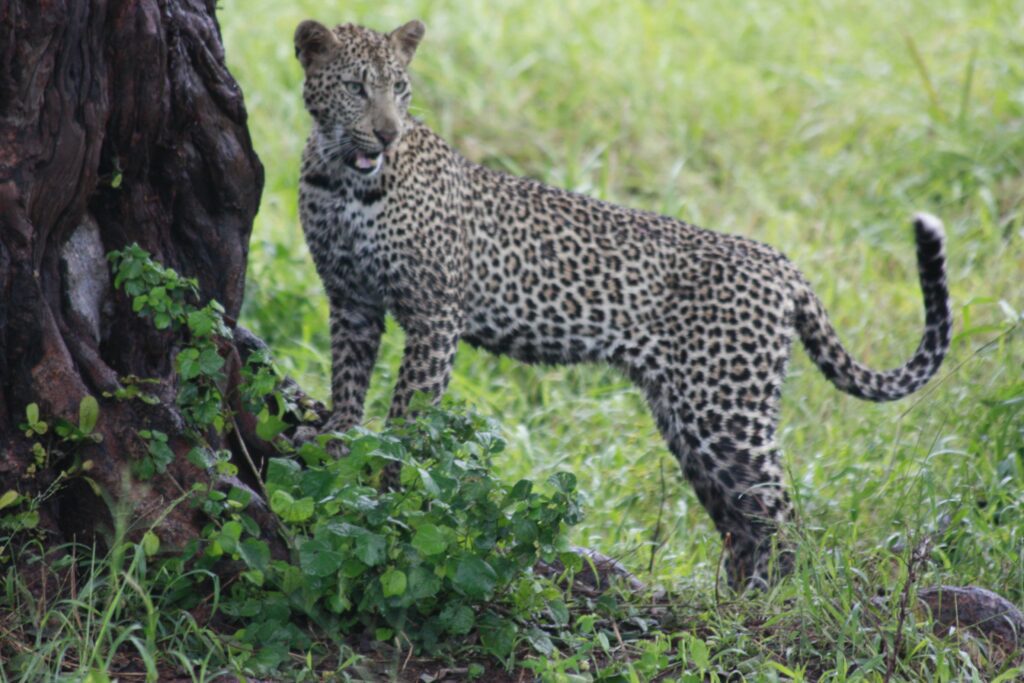
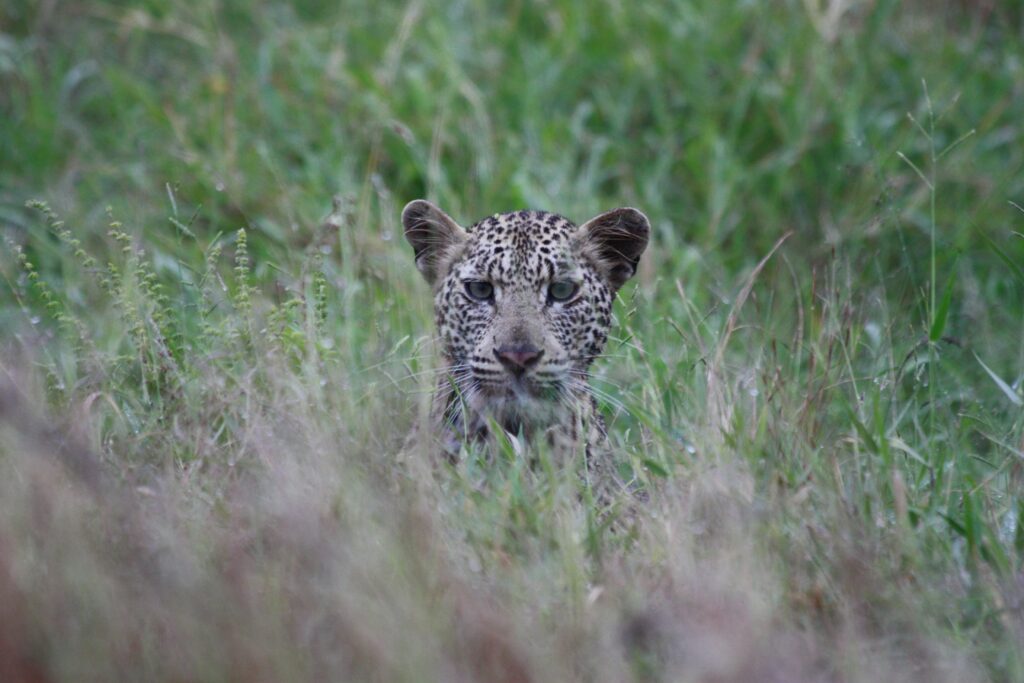
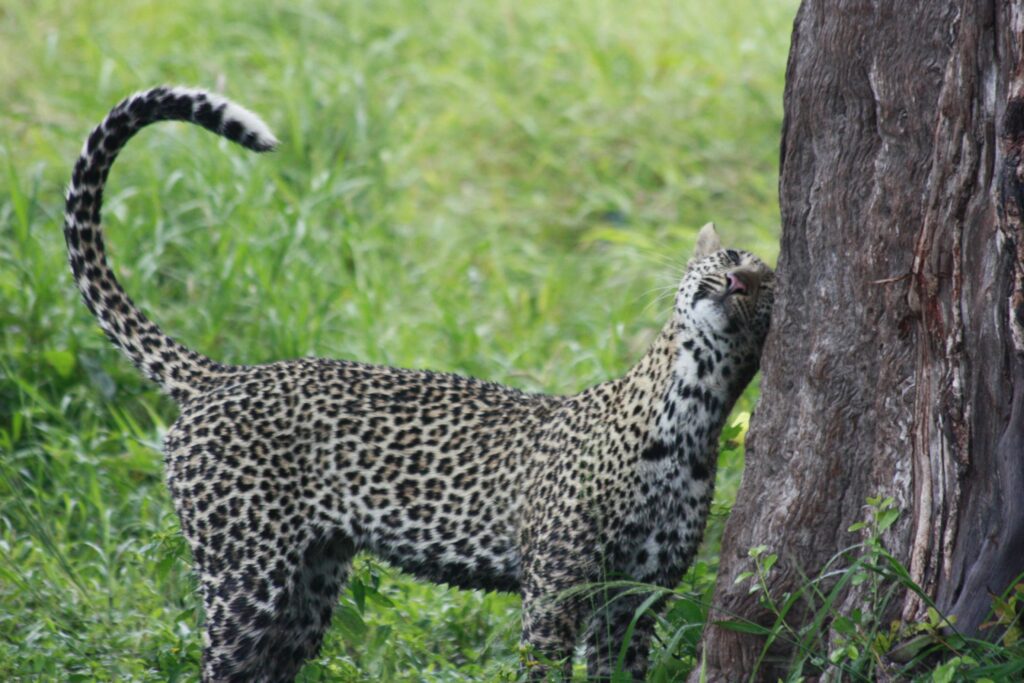
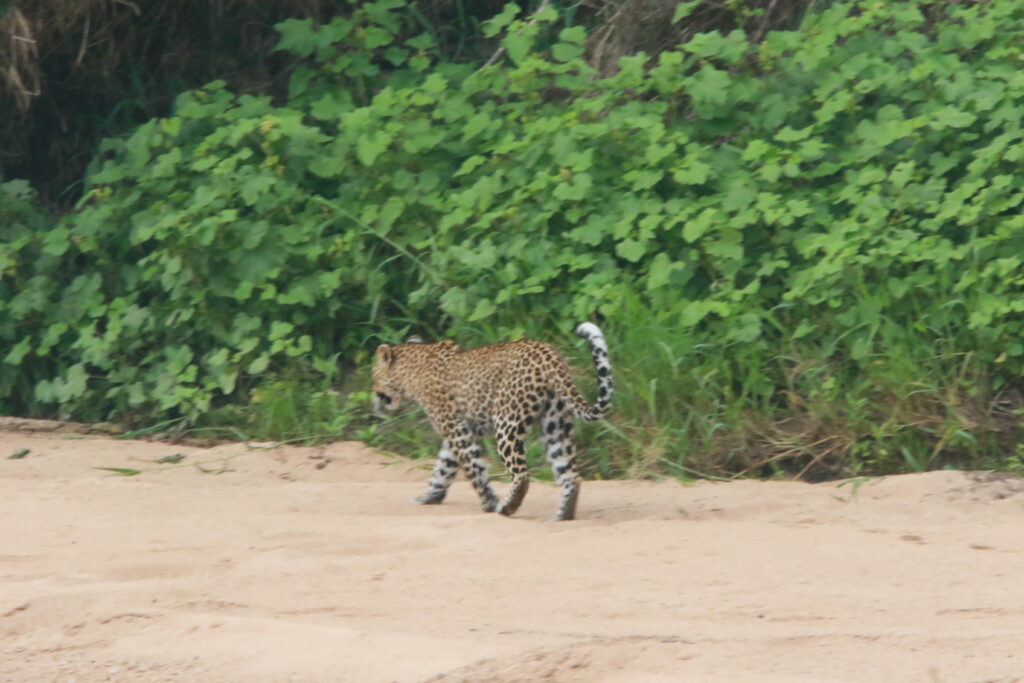
This month, Mabula revealed one of its best-kept secrets in a moment that will not soon be forgotten. In a rare and truly remarkable encounter, a single leopard emerged, not in haste, not in secrecy, but with a calm and relaxed presence that immediately set the tone for something extraordinary. The leopard moved effortlessly through its environment, completely at ease, as though aware of its surroundings yet undisturbed by them. There was no tension in its body, no urgency in its steps, only quiet confidence that comes from being perfectly adapted to its world. It allowed us to observe it in a way that few ever experience in Mabula.
As the golden light of the late afternoon settled across the reserve, it illuminated the leopard’s coat, revealing the intricate rosettes that make each individual unique. Every marking seemed to tell a story, of survival, of stealth, and of a life lived largely unseen. It was a moment where time seemed to slow down, where even the smallest movement felt significant. Guests sat in complete silence, fully aware that they were witnessing something incredibly rare. There were no distractions, no unnecessary movement, just a shared understanding that this was a privilege. On Mabula, leopard sightings are not expected; they are earned through patience, respect, and a deep appreciation for the bush. What makes such encounters even more meaningful is the understanding of how elusive these animals truly are. Leopards avoid conflict wherever possible, choosing solitude over confrontation. Their territories are vast, their movements unpredictable, and their ability to disappear into the bush is unmatched. Finding one is remarkable, but spending time with one, relaxed and undisturbed, is something extraordinary.
These moments remind us of an important truth about Mabula, that the bush operates on its own terms. It is not something we control, but something we are fortunate enough to be part of. The leopard does not perform for us; it simply allows us, briefly, into its world. Long after the sighting had ended, the feeling remained. It lingered in conversations, in quiet reflections, and in the shared understanding among guests and guides that they had experienced something truly special. These are the moments that define Mabula, not just sightings, but connections. And while the leopard may have stolen the spotlight this month, it is just one part of a much larger story unfolding across the reserve, a story of change, movement, and new life, as the elephants of Mabula continue to shape an exciting new chapter in the landscape.
A New Era for Mabula – The Arrival of the Elephants Bulls Follow up
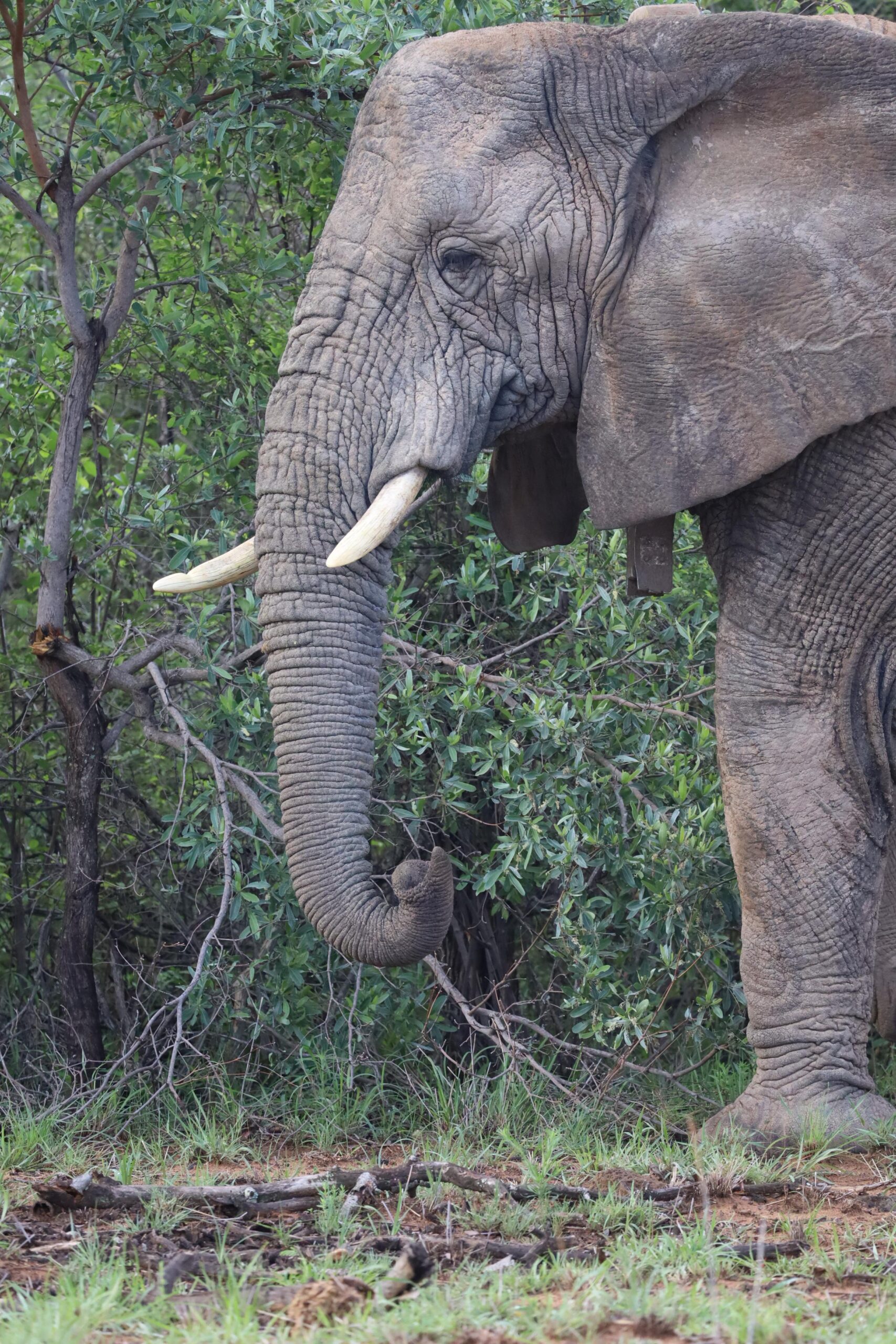
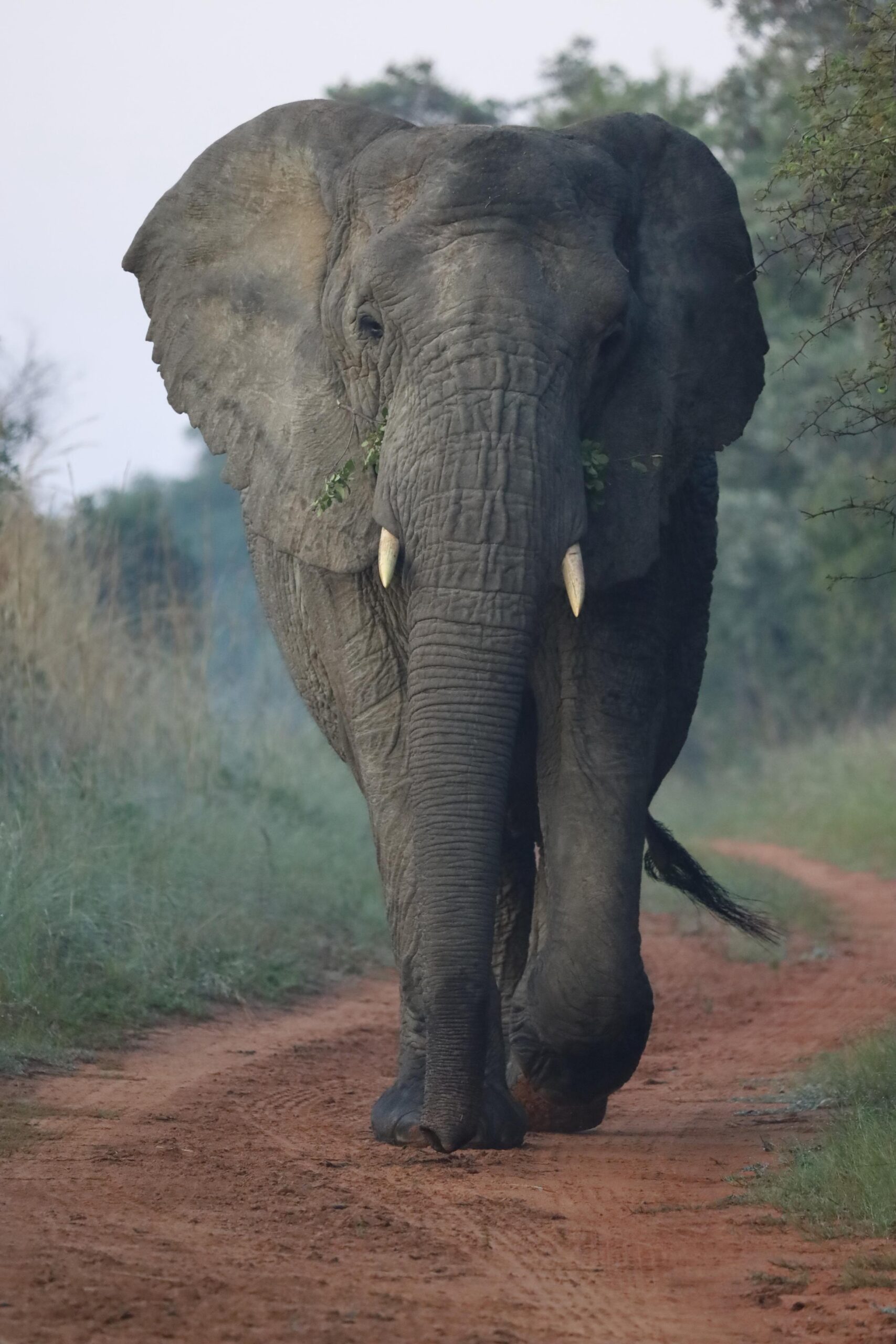
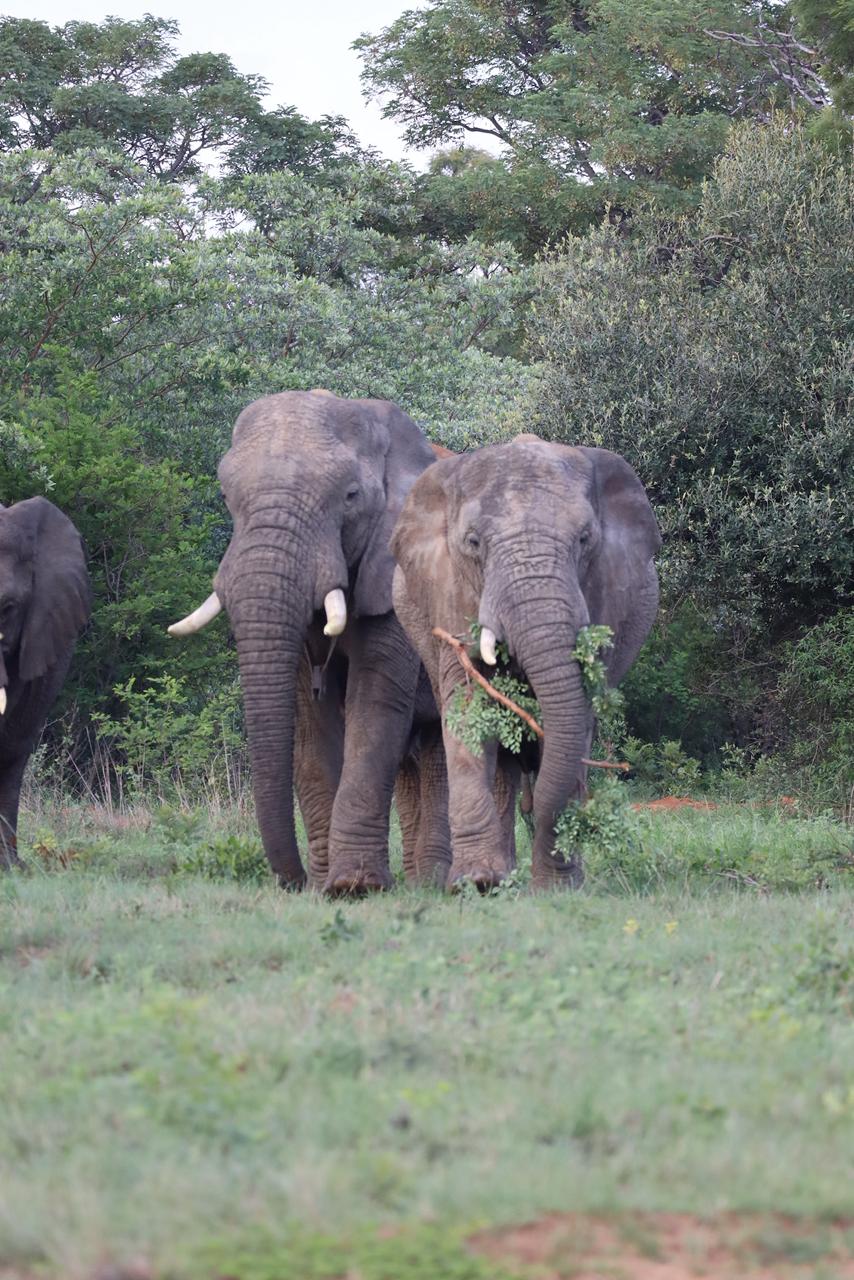
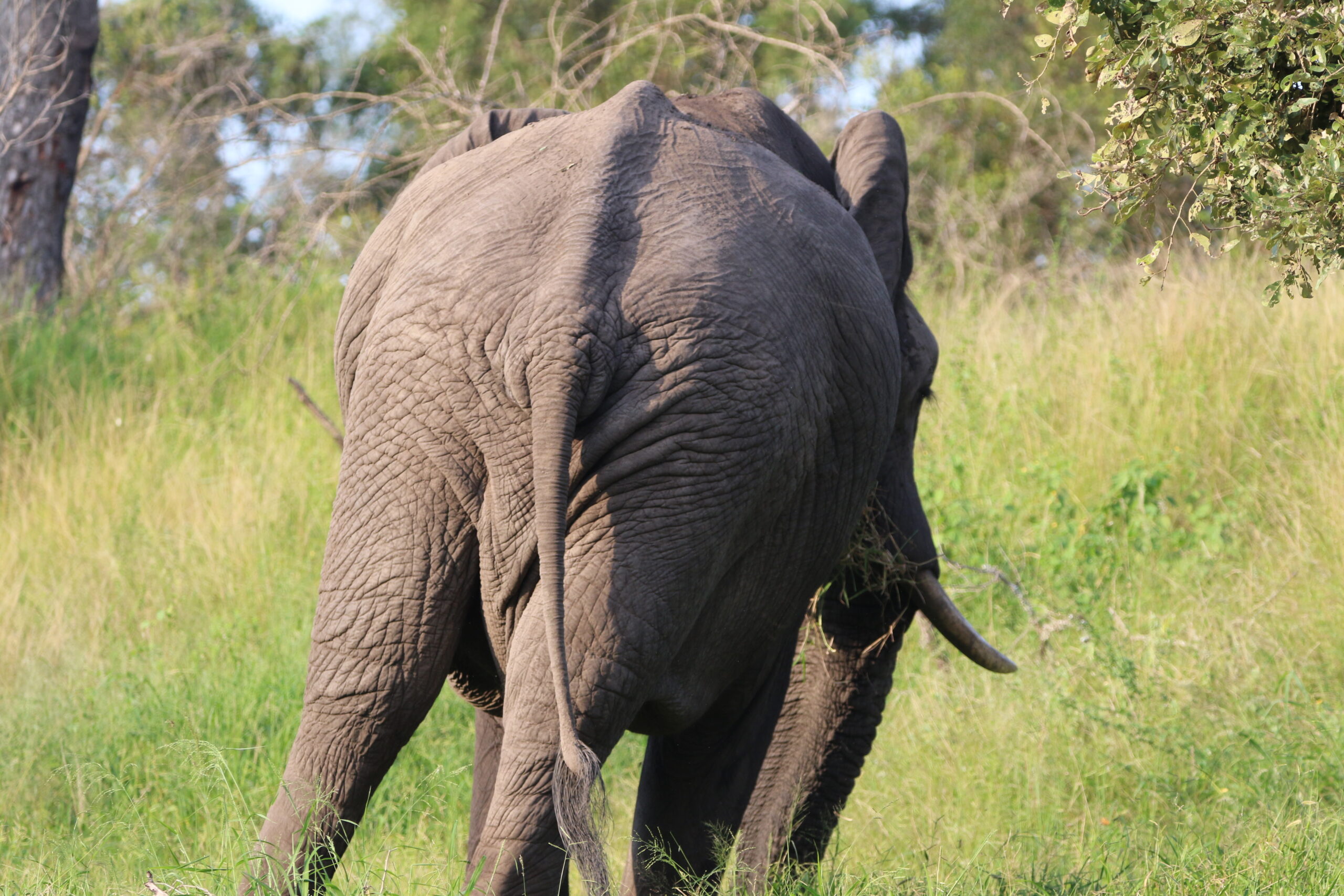
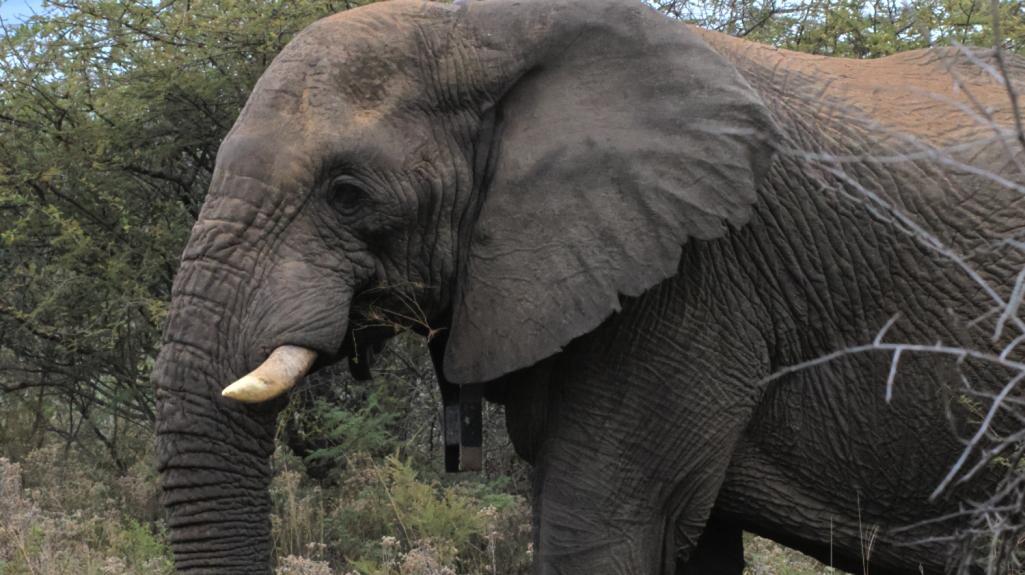
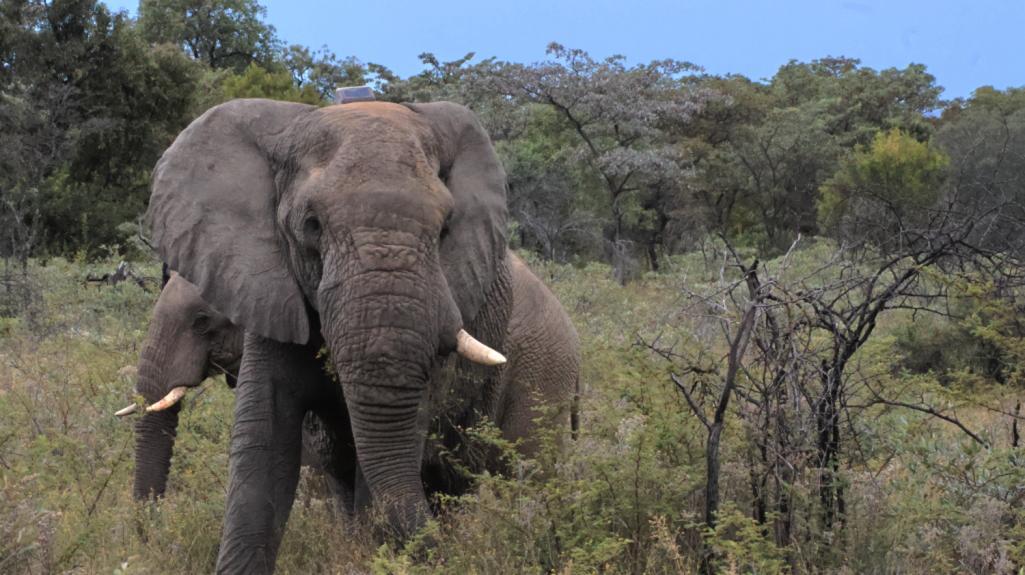
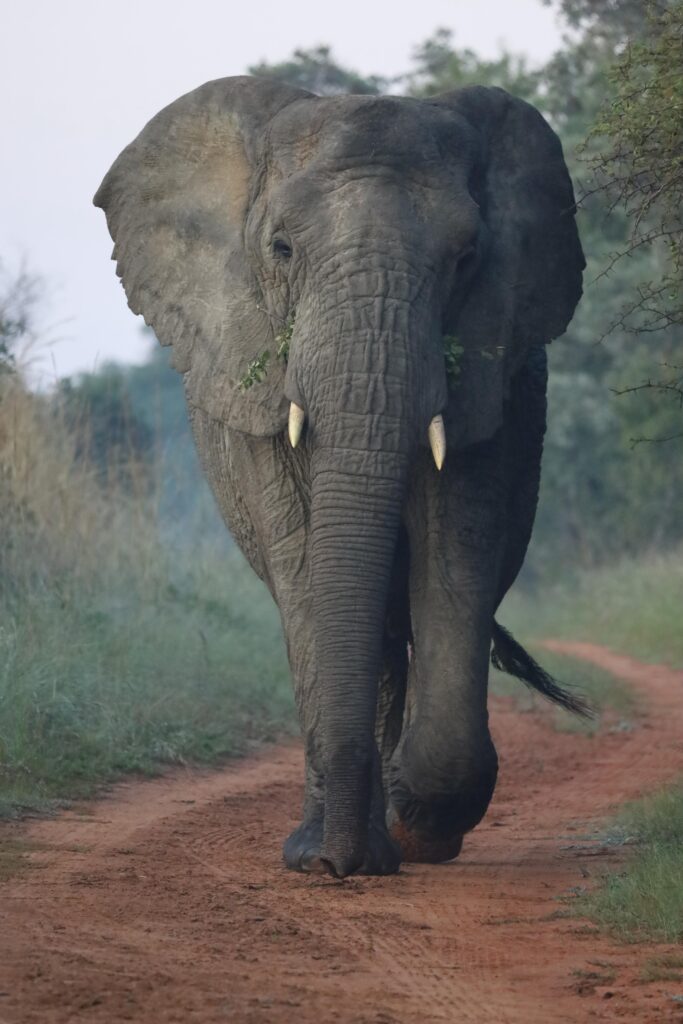
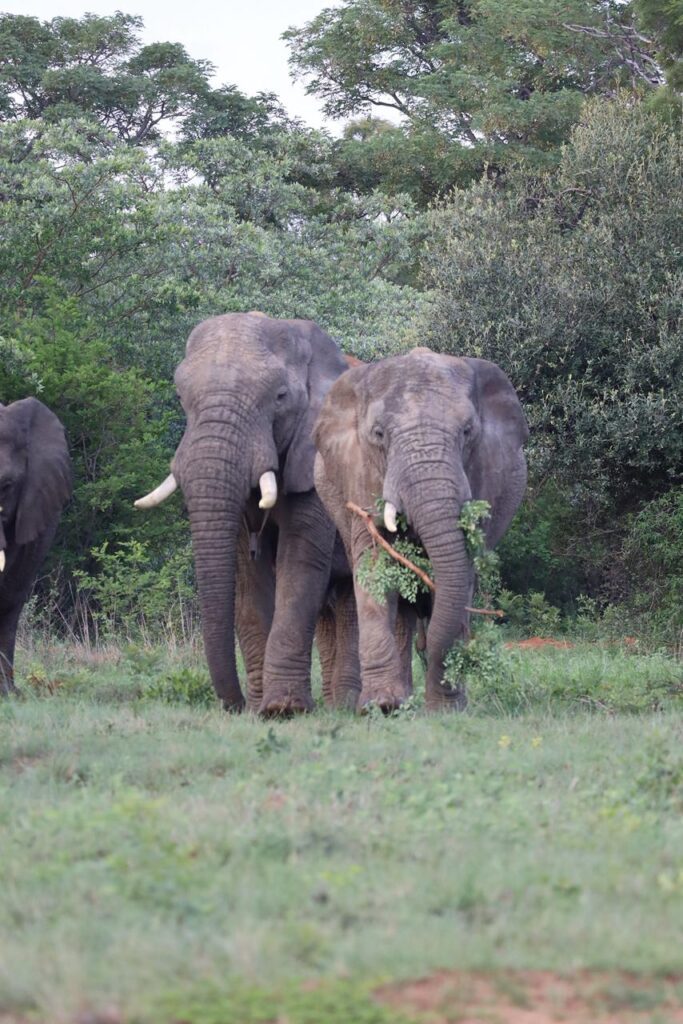
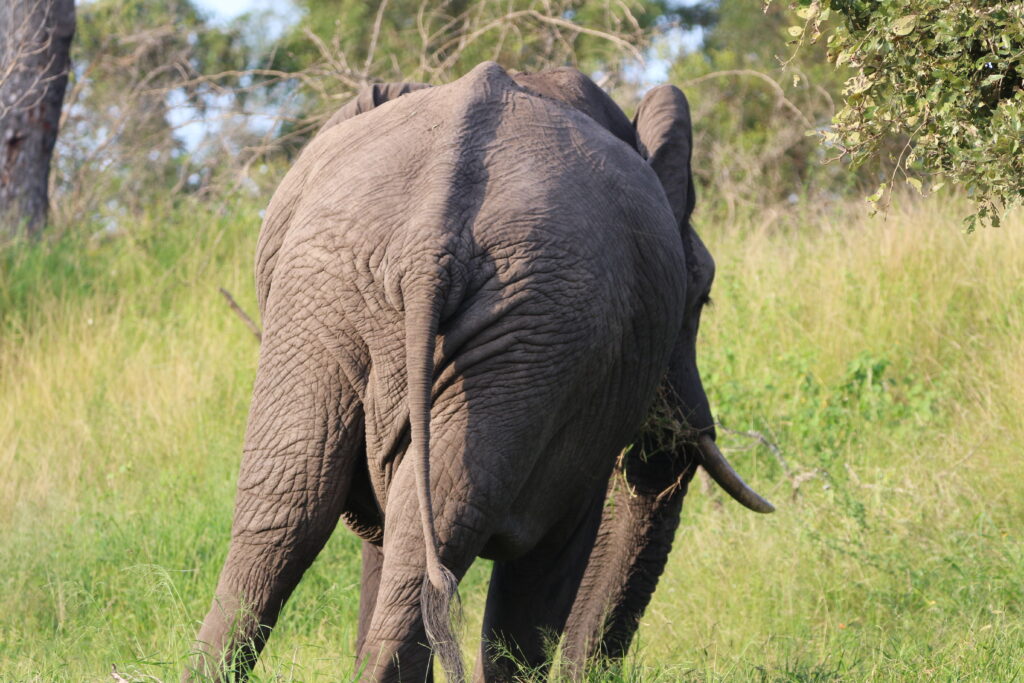
Following the introduction of the new elephant bulls in March, April has truly revealed just how significant their presence is on Mabula Game Lodge.
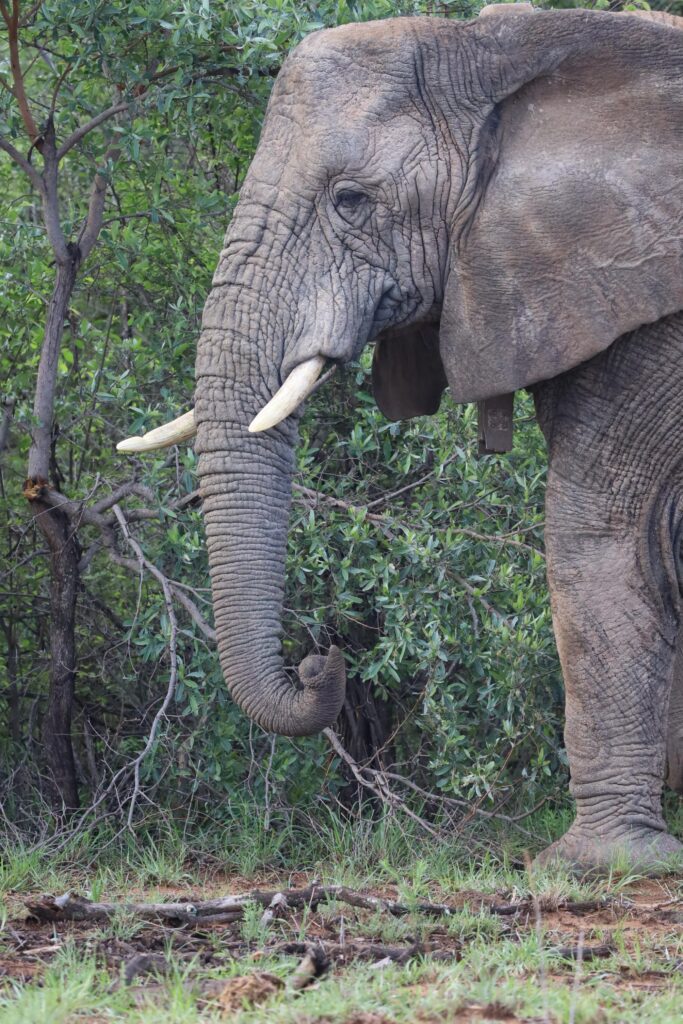
One of the key objectives behind this introduction is to encourage social interaction and stability among the bulls. Until now, the current resident bull has largely operated within the herd. With the arrival of the new bulls, we are already beginning to see changes, as natural behaviors start to emerge, interactions, movement patterns, and the early formation of what we hope will become a cohesive bachelor group. This is an important step in creating a more balanced and natural elephant society on the reserve.
From a conservation and ecological perspective, this initiative is equally significant. Elephants are widely recognized as ecosystem engineers, playing a vital role in shaping and maintaining the habitats around them. Through detailed research and ongoing data collection, it became clear that certain areas of the reserve required greater elephant impact to assist in opening dense vegetation and promoting habitat diversity.
The elephant impact assessments confirmed that an increase in numbers was necessary to support the long-term health and balance of the ecosystem. Since their arrival, subtle yet noticeable changes have already begun to take place. The movement of the bulls across the landscape, their feeding behaviour, and their interaction with the environment are starting to influence the structure of the bush.
These changes, although gradual, are essential in maintaining a dynamic and thriving reserve, ensuring that Mabula continues to offer a rich and diverse habitat for all species. For our guests, this development adds an entirely new dimension to the safari experience. Witnessing these magnificent animals as they settle into their new environment, observing their interactions, and being part of a real-time conservation story is something truly special.
It is not just about seeing elephants, it is about understanding their role, their impact, and their importance in the greater ecosystem. This is what makes a visit to Mabula more than just a safari; it becomes a meaningful and unforgettable connection with the wild.
Mabula Buffaloes
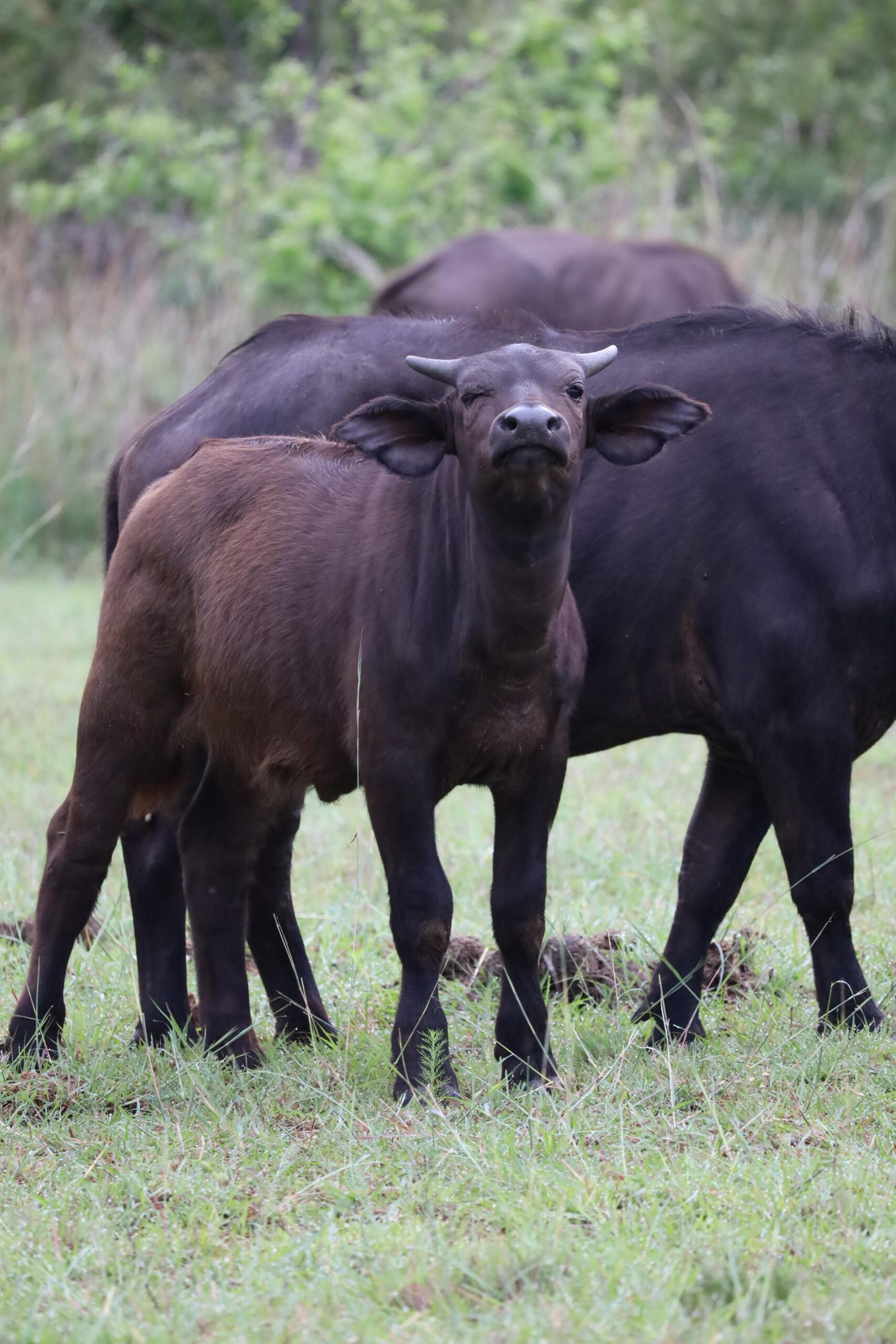
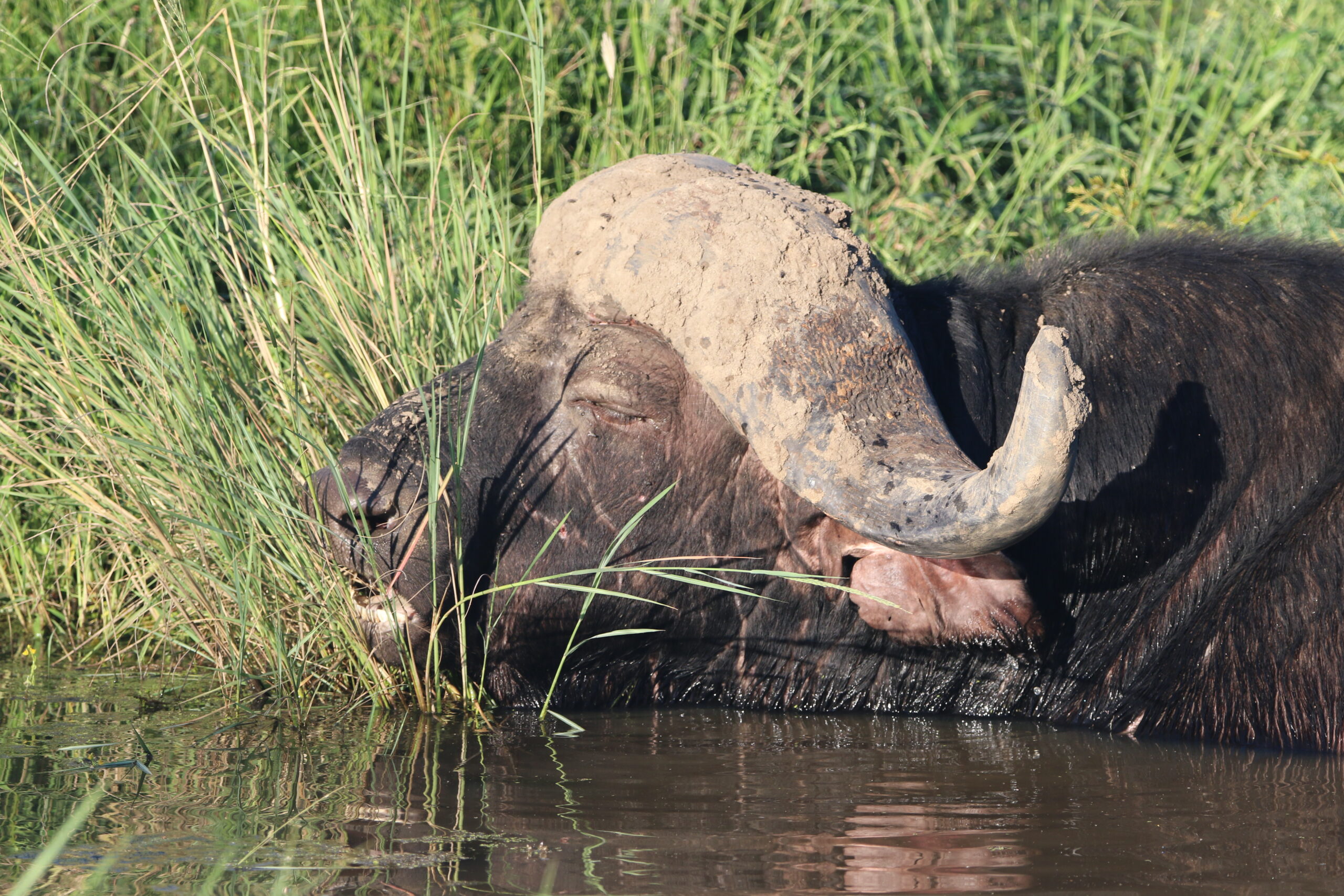
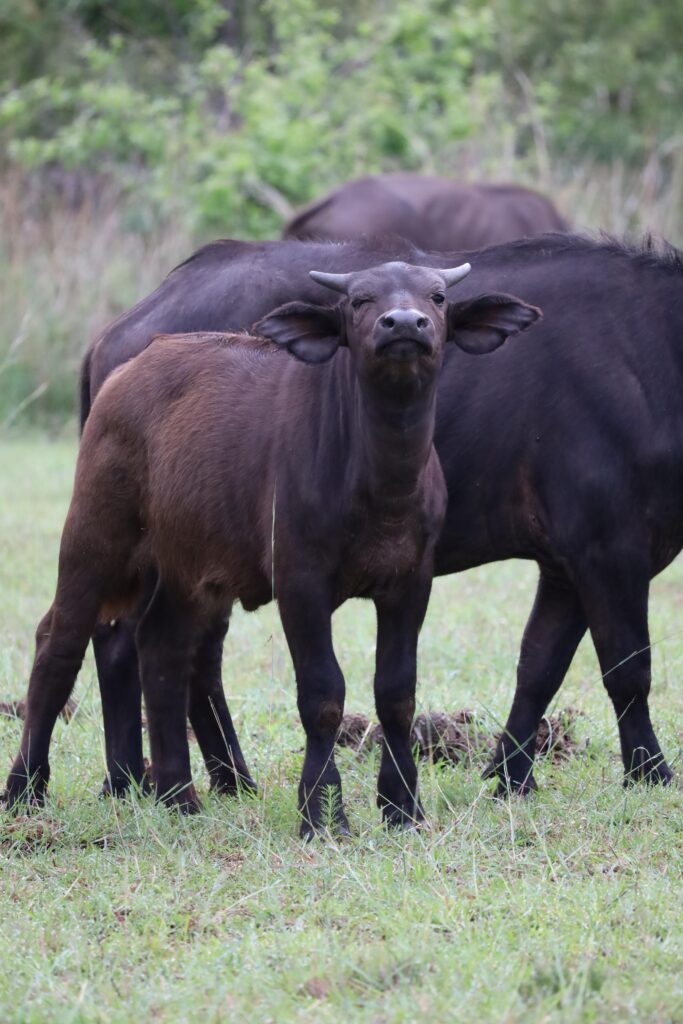
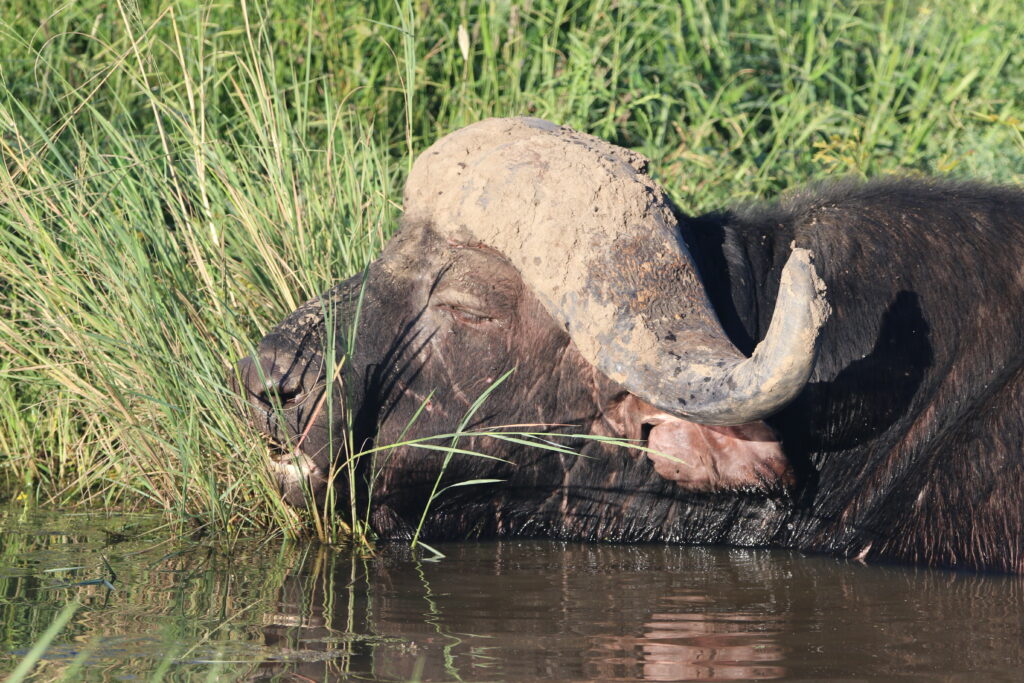
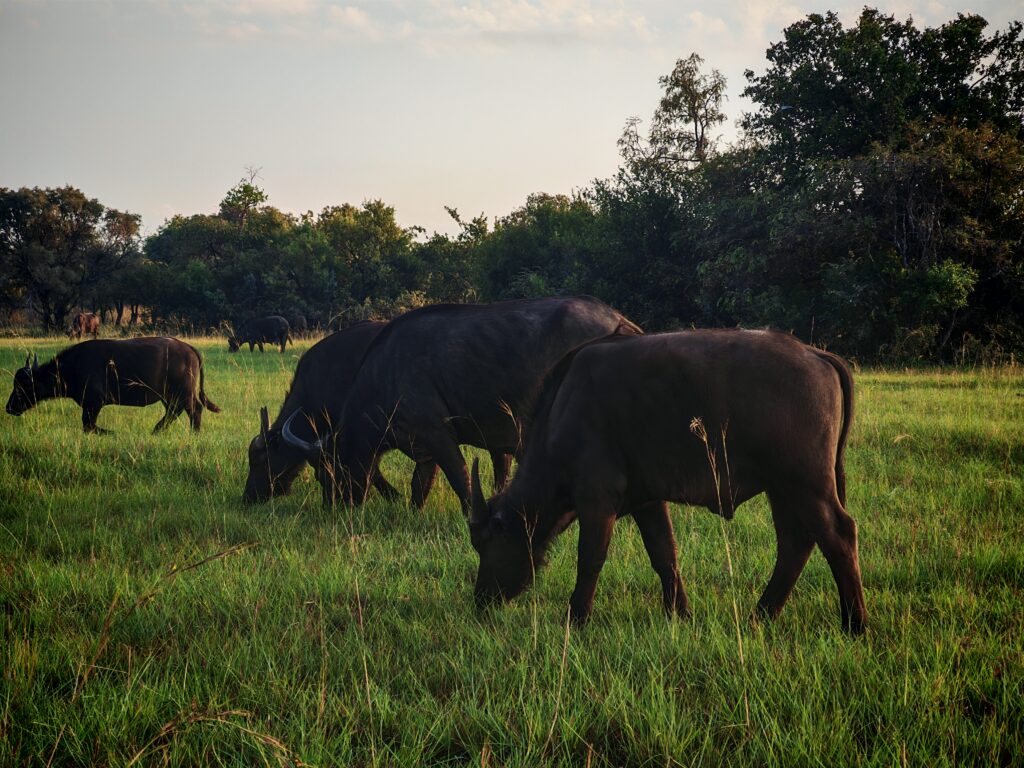
The dagga bulls, often older males that have separated from the main herds, carry a presence that is both heavy and intimidating. Their dark bodies are frequently coated in thick layers of mud, giving them a rugged and battle-worn appearance. These bulls move slowly, often alone or in small bachelor groups, conserving energy and choosing their space carefully. There is a sense of age, experience, and resilience in the way they carry themselves, animals that have survived many seasons and many challenges.
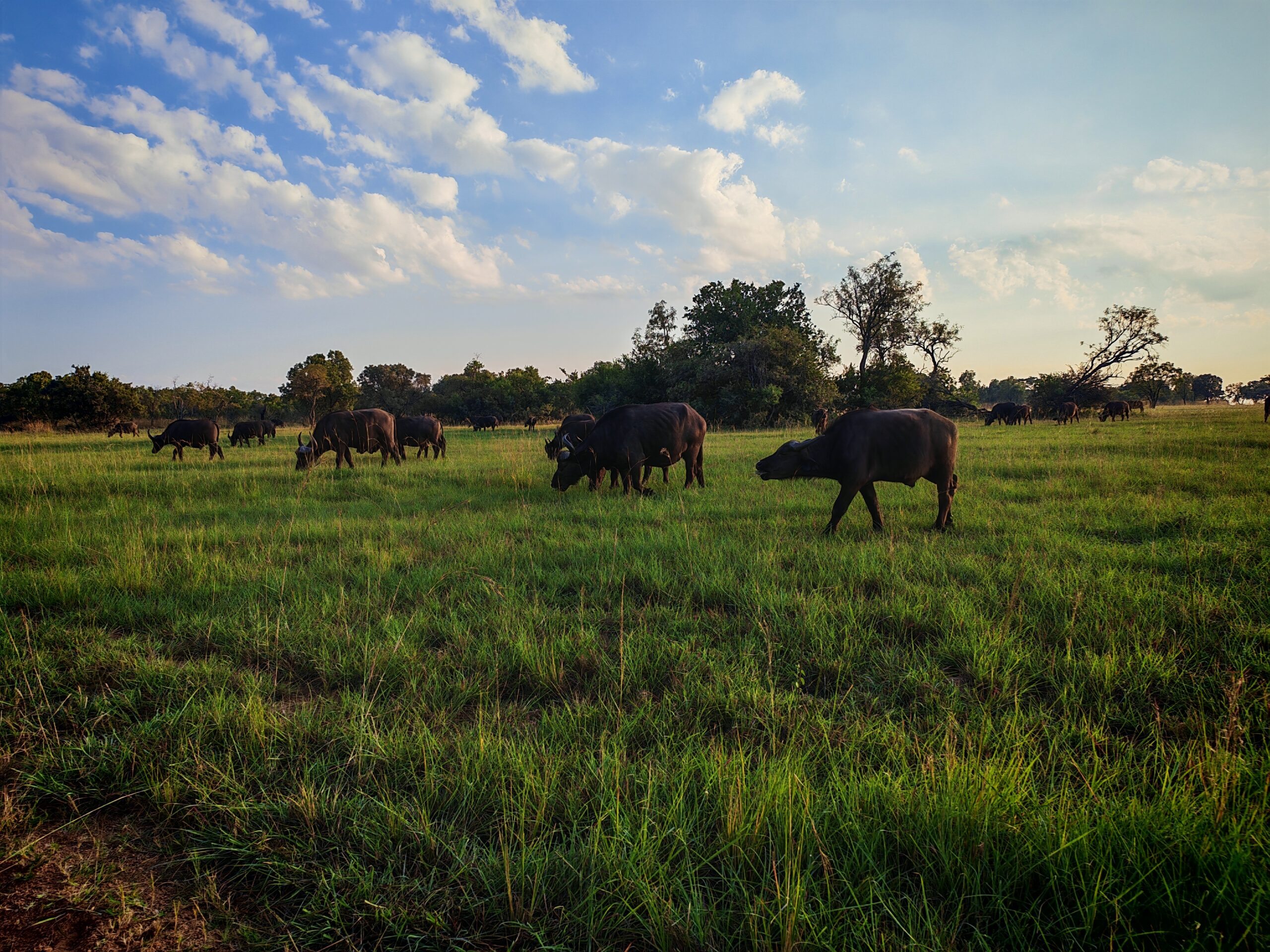
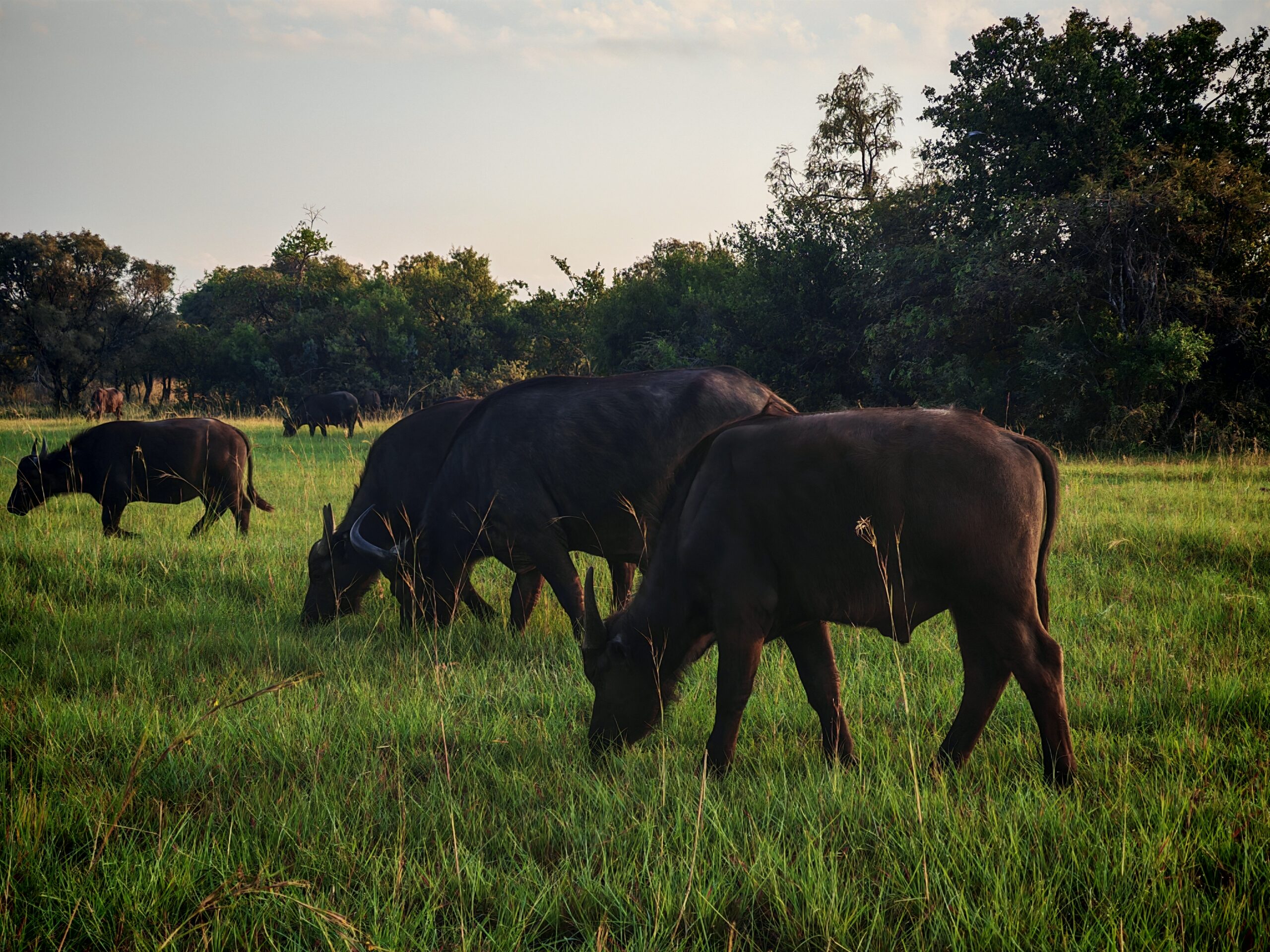
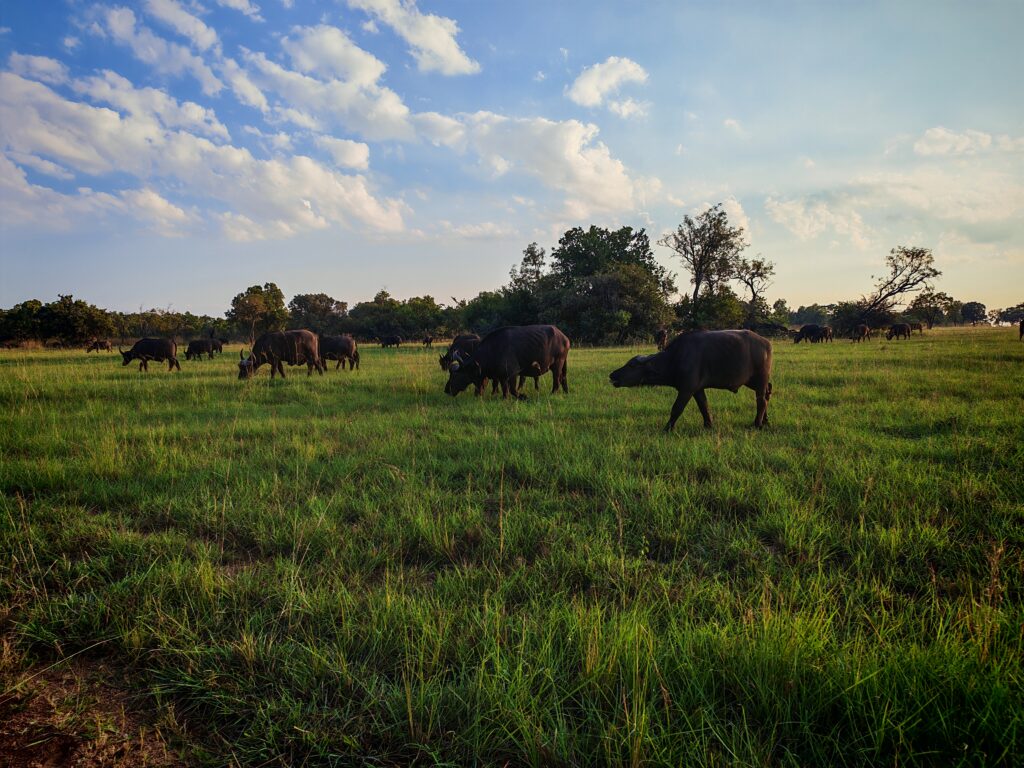
In contrast, the breeding herds bring a completely different dynamic to the landscape. Large groups of buffalo, sometimes numbering in the hundreds, move together with purpose and unity. Within these herds, there is constant interaction, calves staying close to their mothers, dominant individuals maintaining order, and the group functioning as a tightly knit unit. Their movements are not random but coordinated, reflecting a deep social structure that is both fascinating and complex.
There is, however, a deceptive stillness that defines both the dagga bulls and the herd. At first glance, they may appear calm, almost indifferent, resting quietly or grazing without concern. But beneath that calm exterior lies one of the most unpredictable and dangerous animals in Mabula. Buffalo are known for their sharp memory and strong defensive instincts. They do not forget easily, and when threatened, their response is both immediate and powerful.
Their strength is immense, their reactions sudden, and their willingness to stand their ground makes them one of the most respected animals on the reserve. Whether it is a lone dagga bull staring down a vehicle or a herd closing ranks to protect their young, every encounter carries a sense of intensity. It is a reminder that the bush is not only beautiful, but also powerful, raw, and unforgiving when necessary.
To encounter buffalo on Mabula is to truly understand the essence of the wild. It is not always about action or movement, but about presence, about feeling the weight of an animal that commands respect simply by being there. And as one leaves a buffalo sighting, there is always a lingering awareness that you have just shared space with one of Mabula’s and Africa’s most formidable and iconic species.

The Pride of Mabula
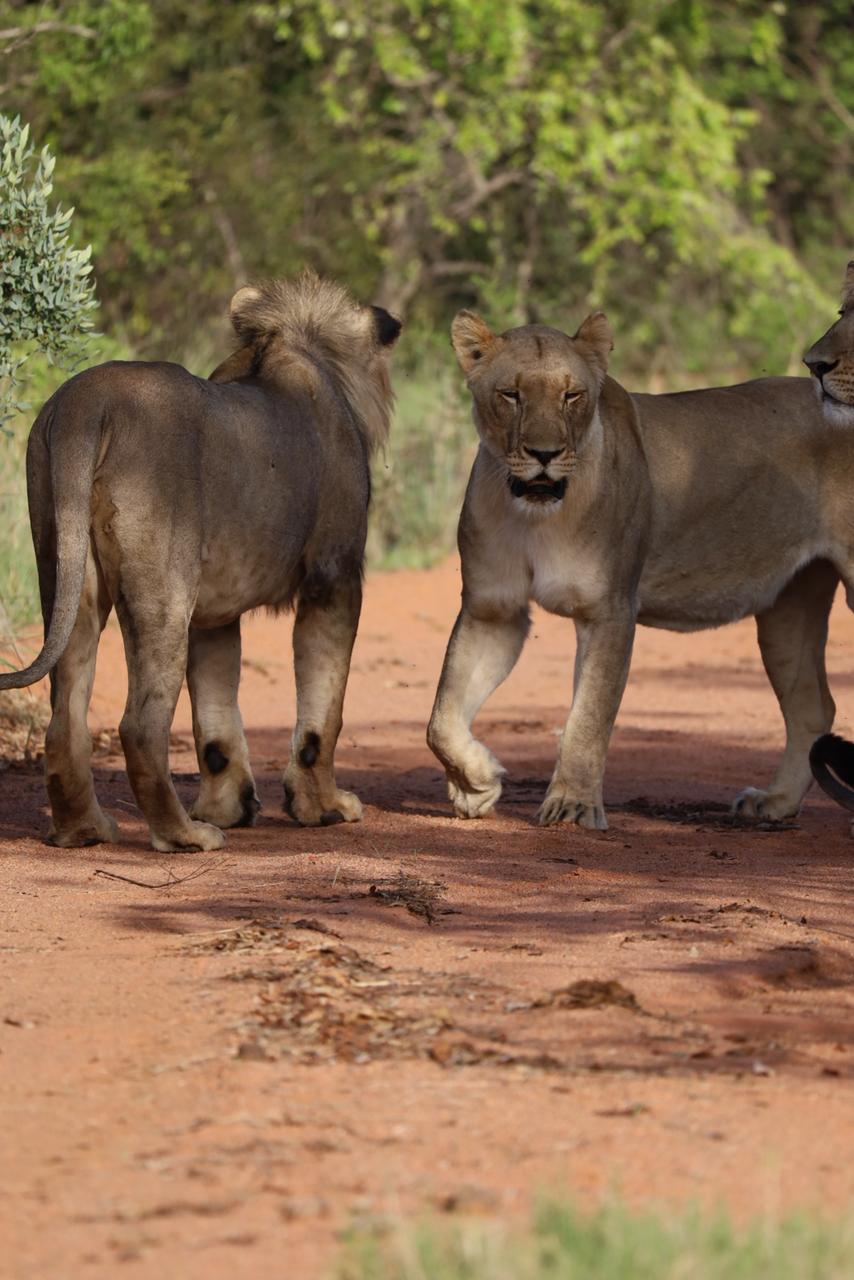
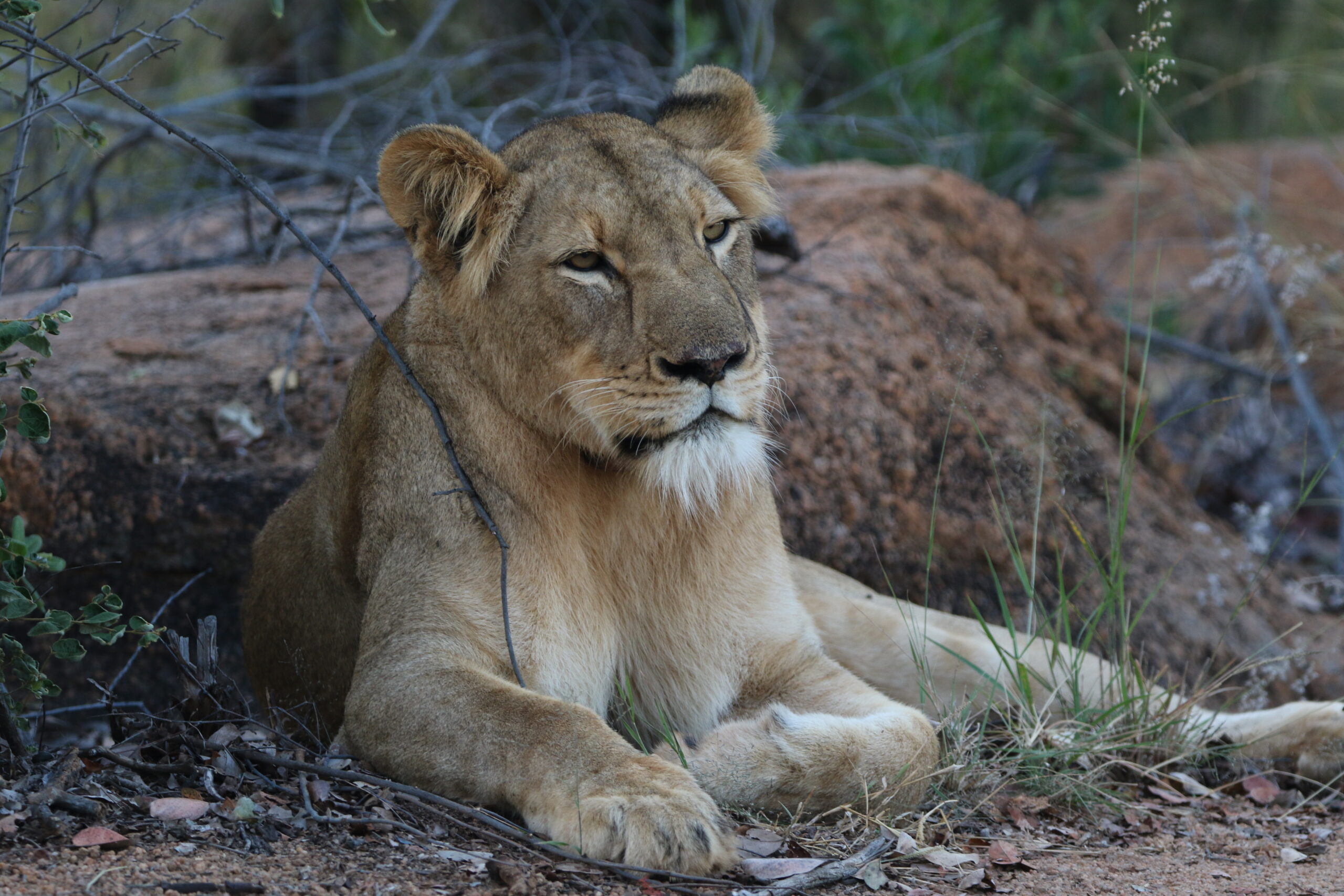
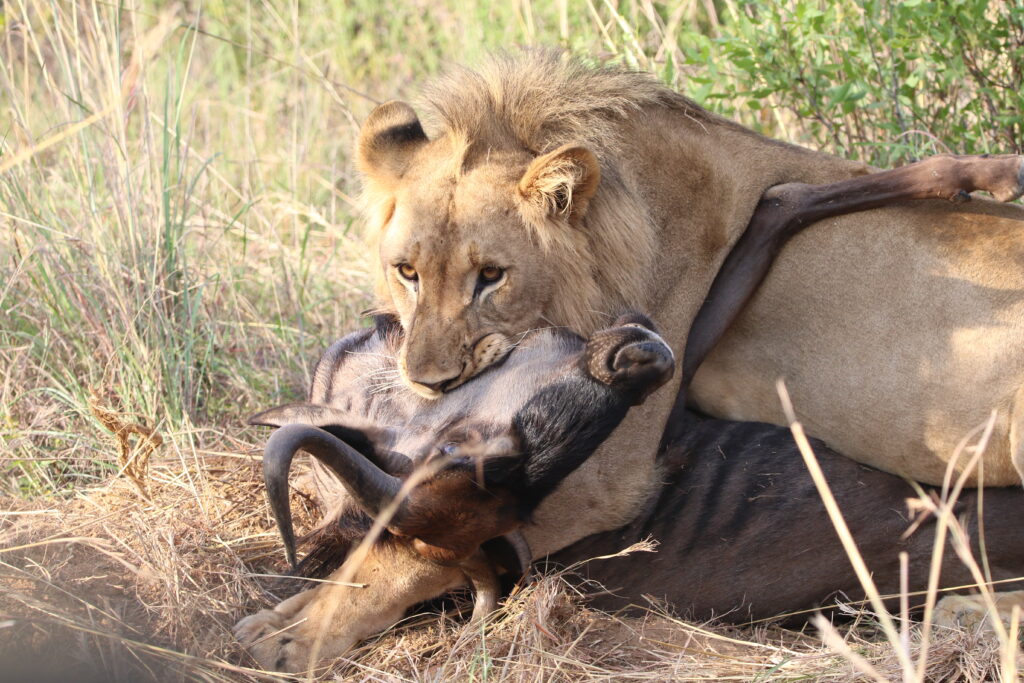
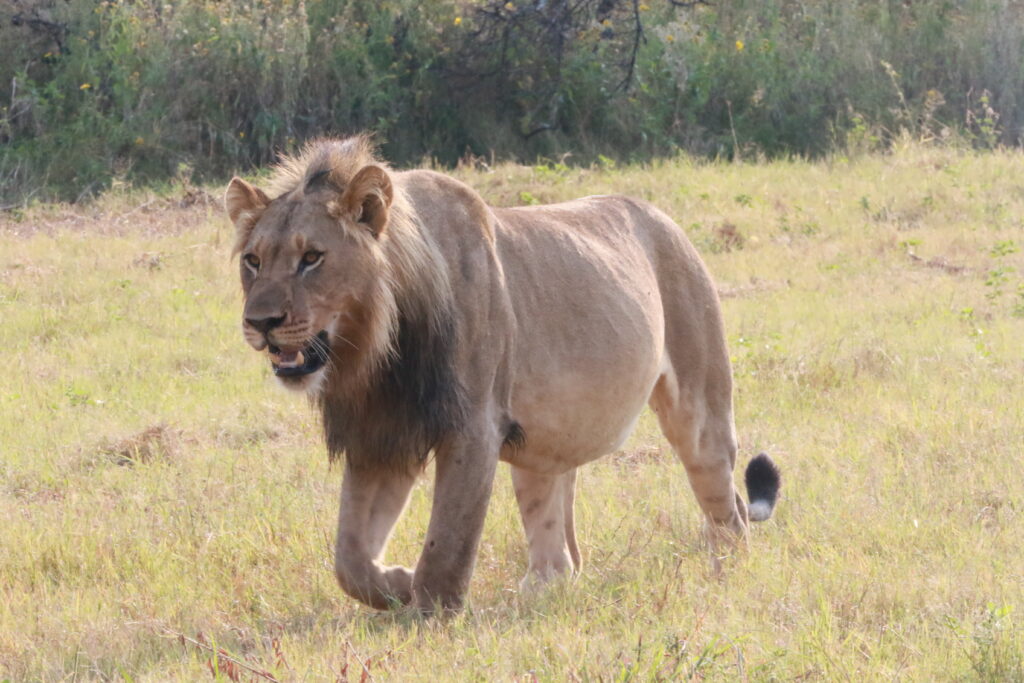
Lions continue to define the intensity and power of the reserve, bringing with them a presence that is felt long before they are seen. Whether it is the distant sound of a roar carried on the morning air or the sight of fresh tracks crossing the road, there is always a reminder that these apex predators move silently within the landscape, shaping the rhythm of the bush.
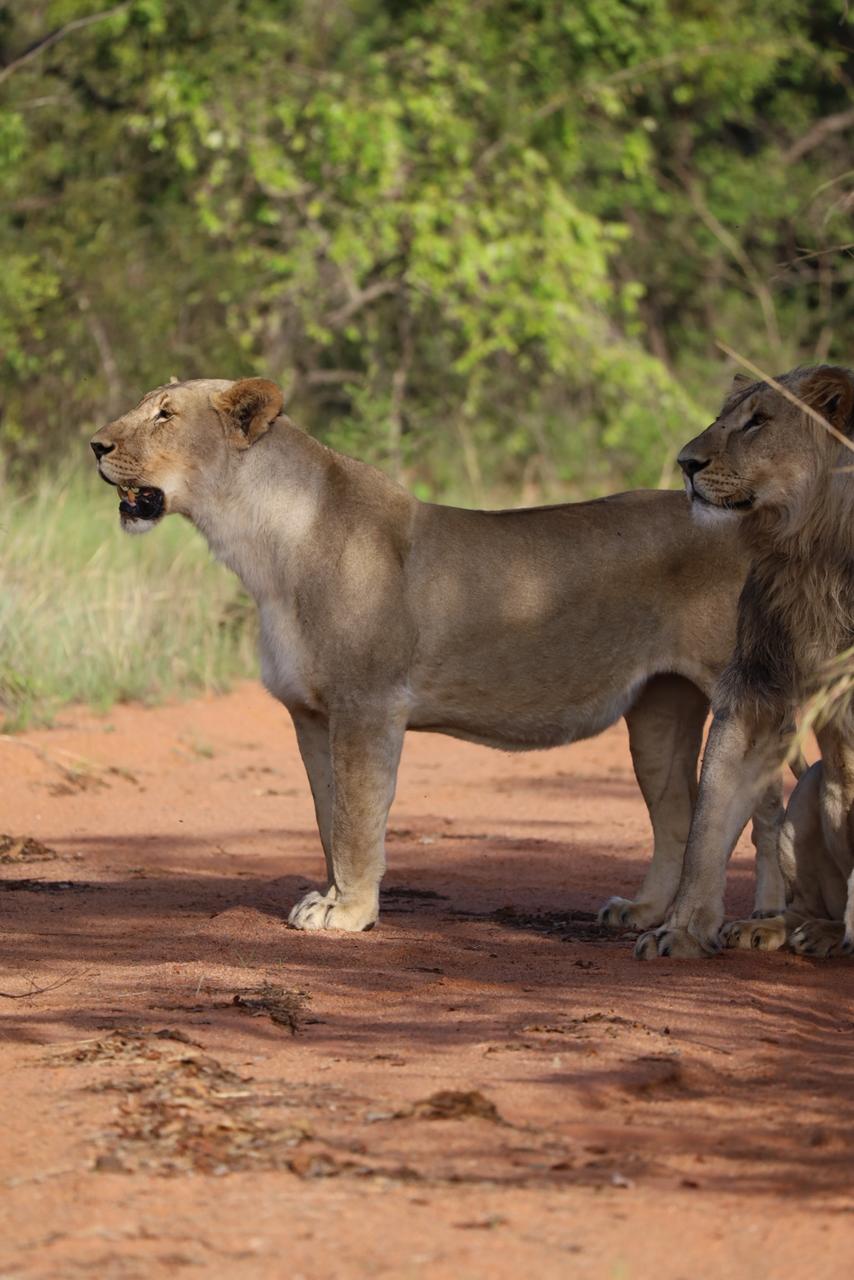
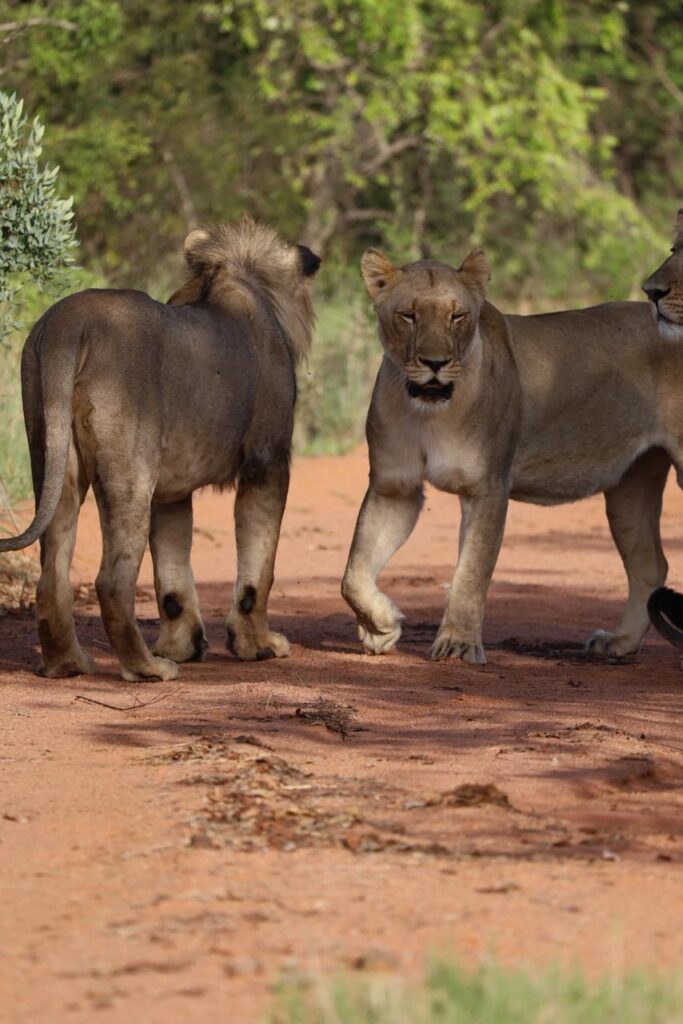
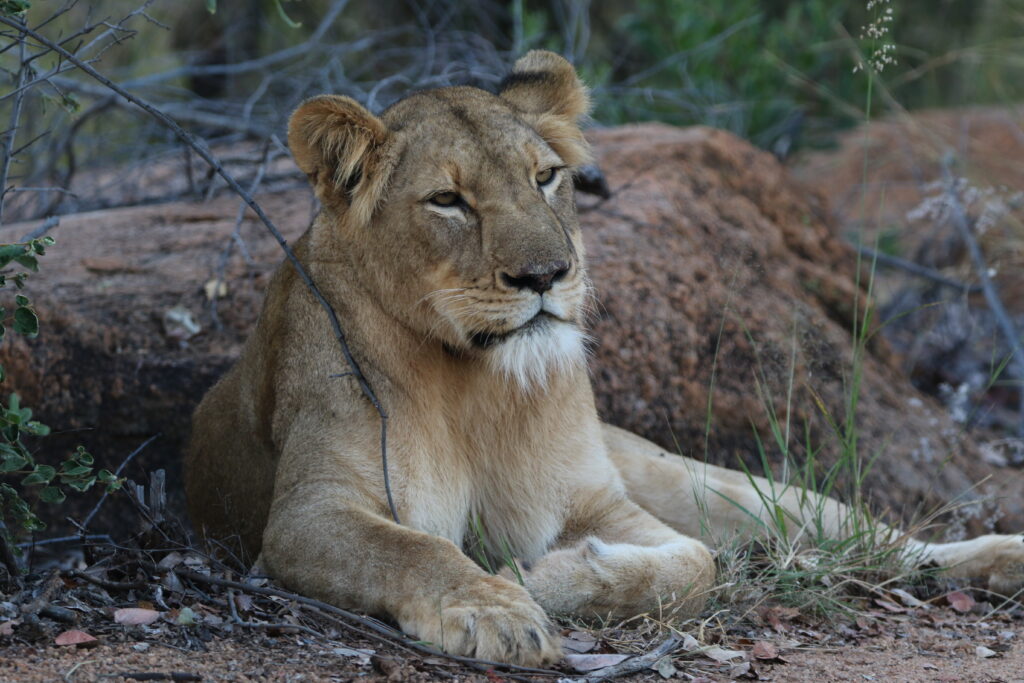
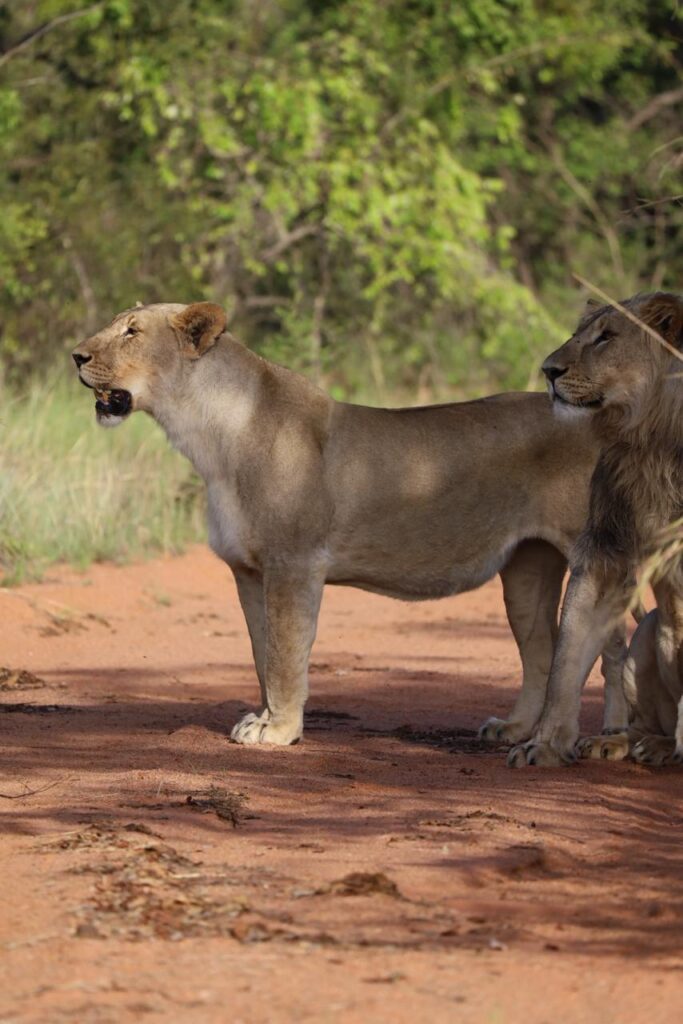
The arrival of the lionesses has brought renewed energy and strength for pride, creating a dynamic that feels both fresh and full of potential. These lionesses are already beginning to settle, moving confidently across the reserve and establishing their place within the territory.
There is a noticeable shift in the pride’s behaviour. Movements are becoming more coordinated, interactions more structured, and their overall presence more dominant. The addition of these lionesses has strengthened the pride’s ability to function as a cohesive unit, particularly when it comes to hunting and territorial control. It is a development that holds great promises for the future.
Watching these lionesses adapt to their new environment has been a remarkable experience. They move with purpose, often scanning their surroundings with a calm but focused awareness. There is quiet confidence in their behaviour, a clear indication that they are settling well and beginning to understand the landscape they now call home.
Their presence has also brought increased activity across the reserve. Sightings have been more frequent, and each encounter offers something different, whether it is moments of rest in the shade, interactions within pride, or movement through the bush as they patrol their territory. These sightings are not just exciting, they are evolving, telling a story that is still unfolding.
At the heart of this excitement lies a growing anticipation, the possibility of cubs. With the introduction of strong, healthy lionesses, there is a shared sense of hope among the guiding team that new life may soon follow. Every sighting now carries that underlying expectation, that quiet question of what may come next. The thought of cubs on Mabula once again brings with it a sense of renewal and continuation.
The presence of cubs would not only strengthen the pride but also add a completely new dimension to the safari experience. Few moments in the bush compared to watching young lions grow, play, and learn under the watchful eyes of pride. It is these moments that create lasting memories and deepen the connection between guests and the wilderness.
For now, we watch, we wait, and we appreciate the journey as it unfolds. Lions of Mabula are entering a new phase, one filled with strength, potential, and promise. And as always, they remind us that in the wild, the most powerful stories are not only in what we see, but in what is still to come.
Giraffes– Africa’s Top Model
For now, we watch, we wait, and we appreciate the journey as it unfolds. Lions of Mabula are entering a new phase, one filled with strength, potential, and promise. And as always, they remind us that in the wild, the most powerful stories are not only in what we see, but in what is still to come.
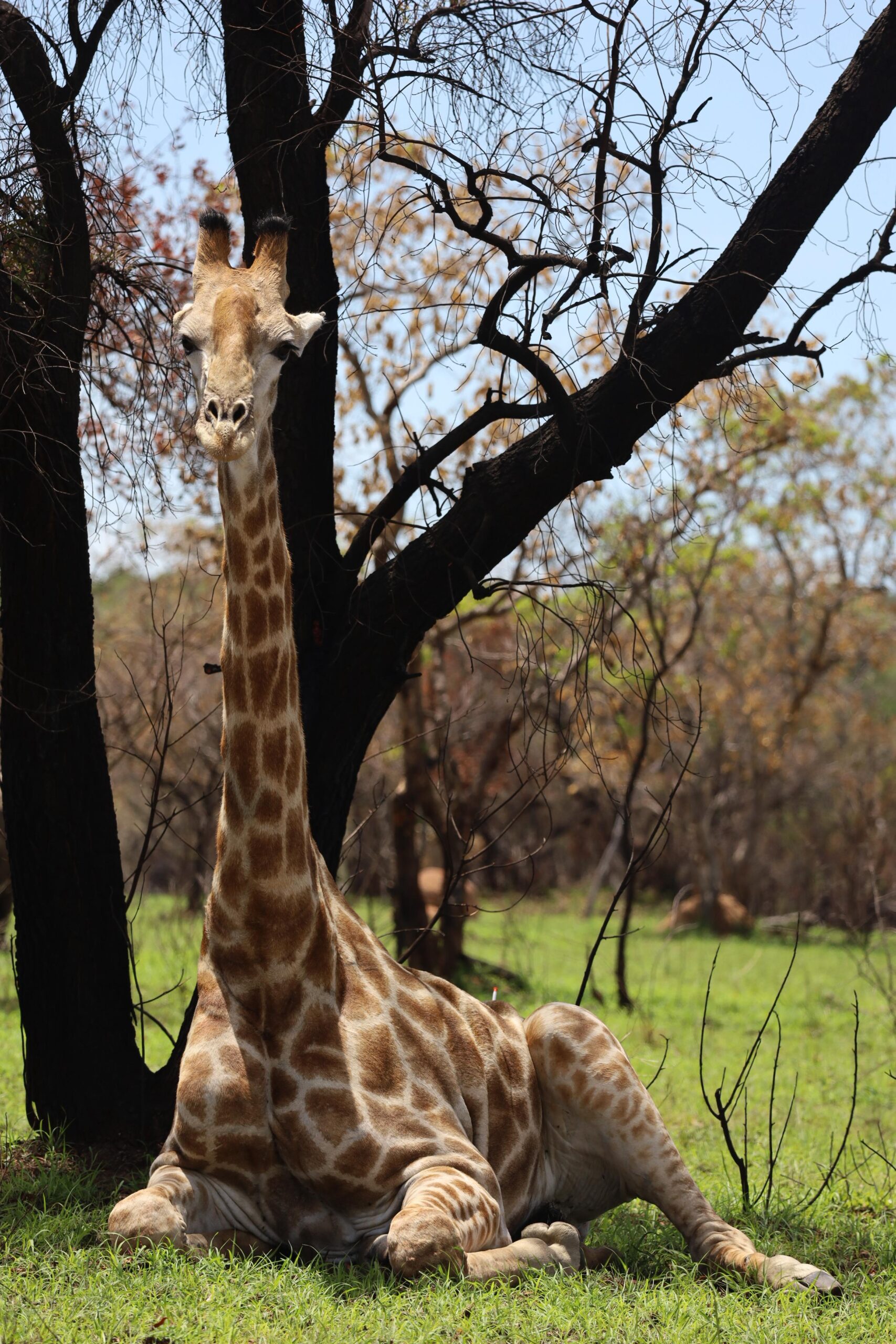
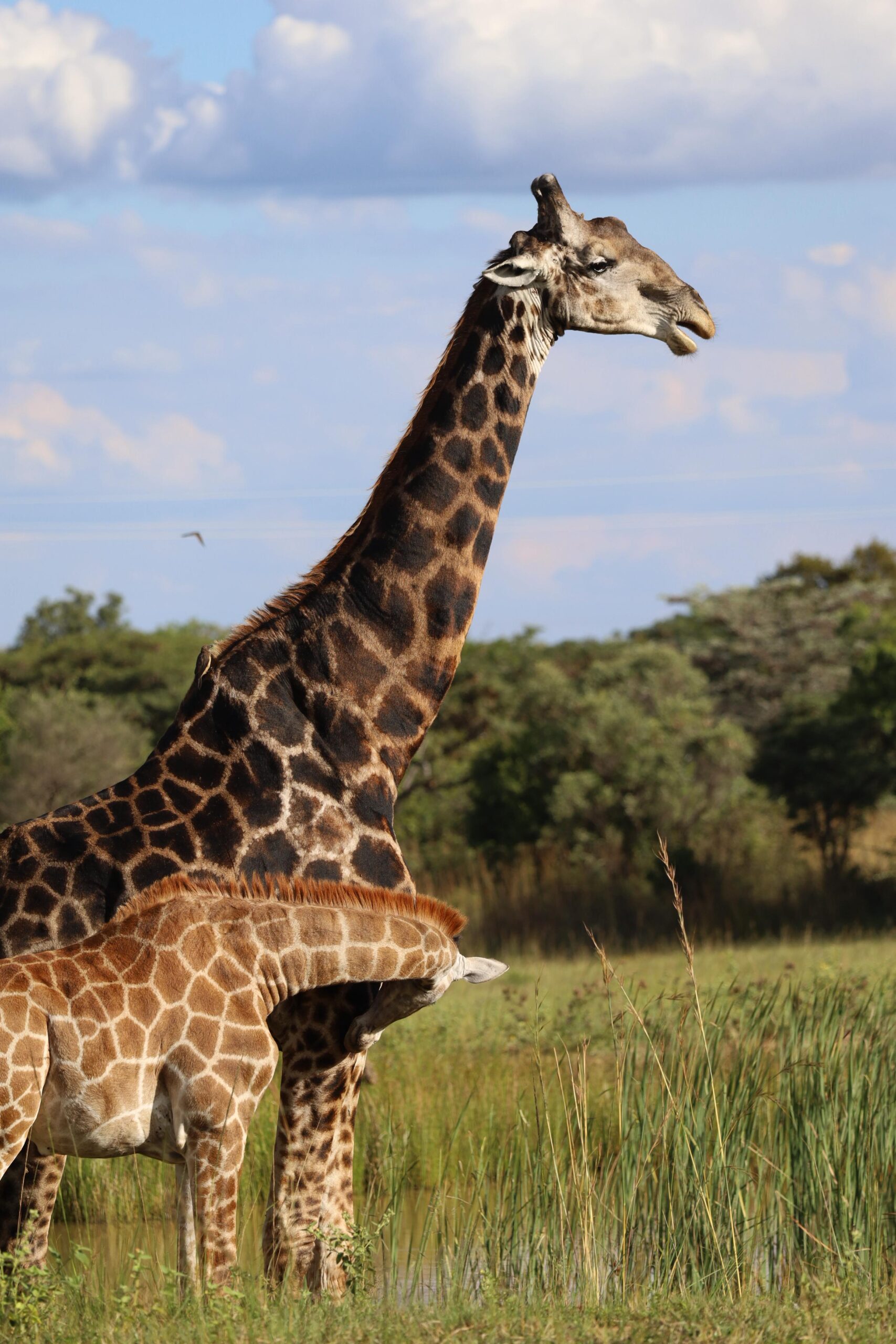
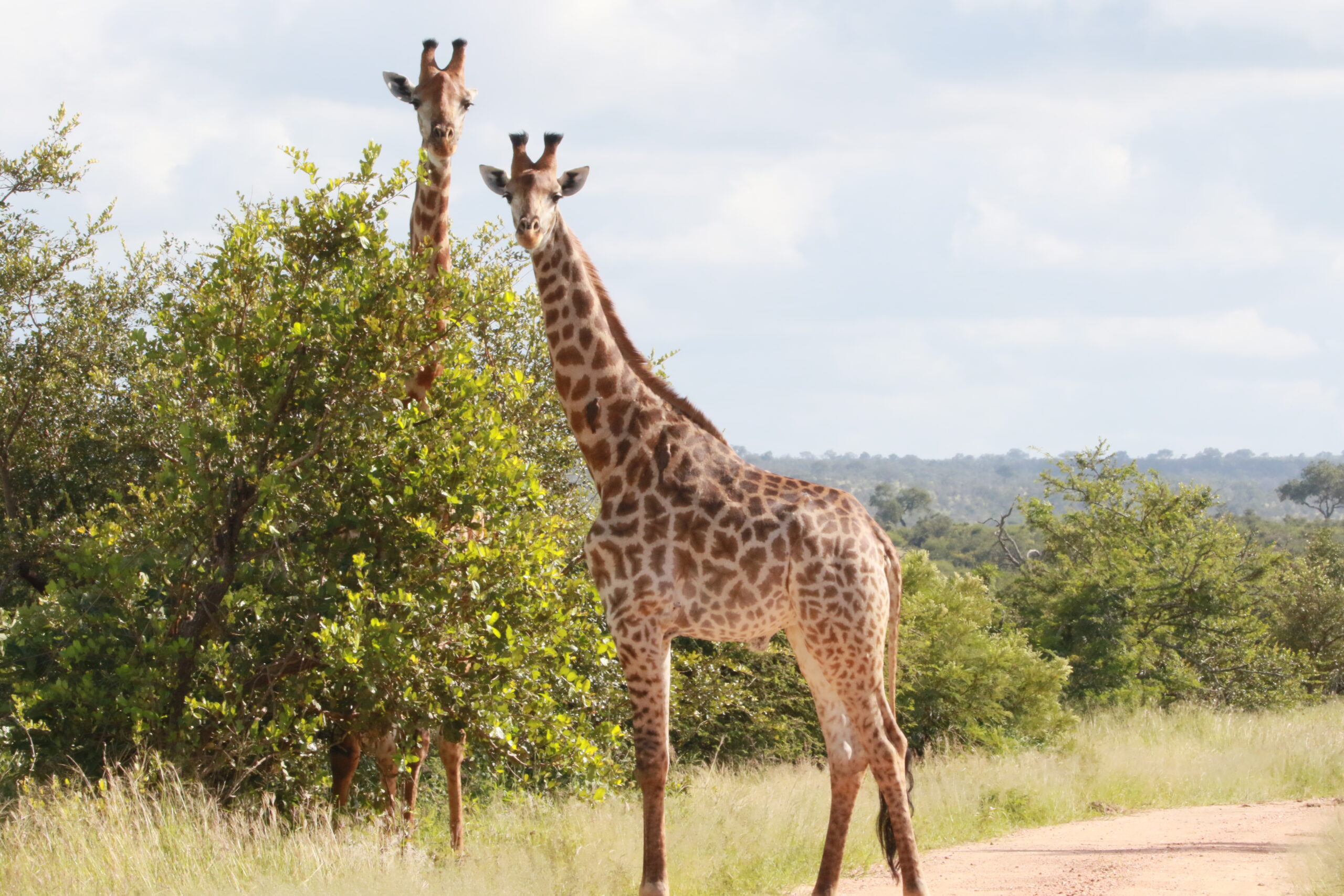
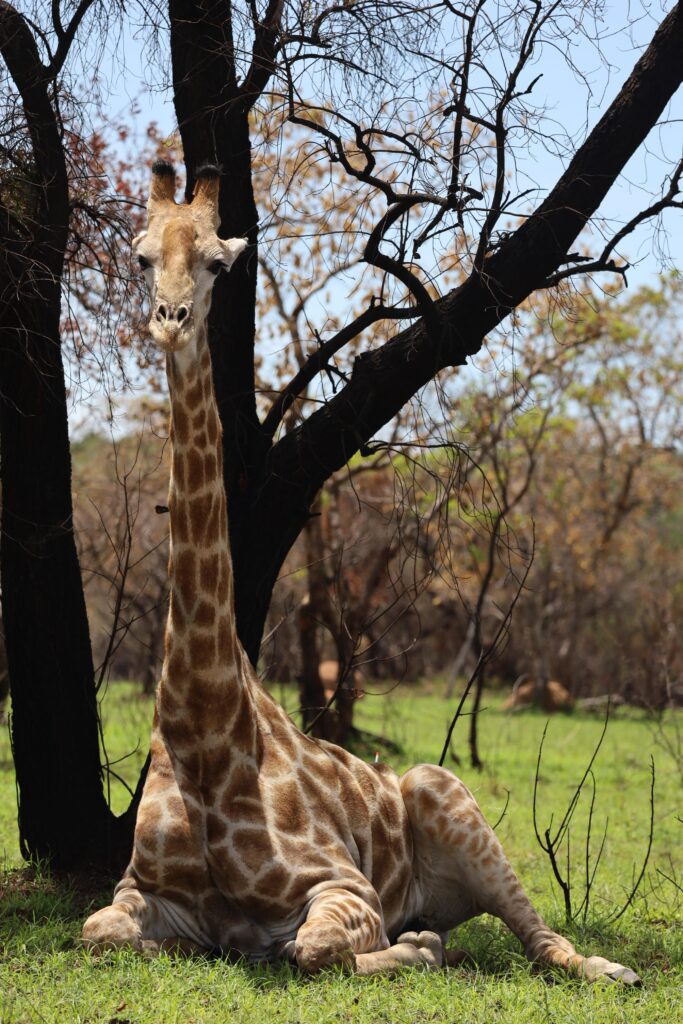
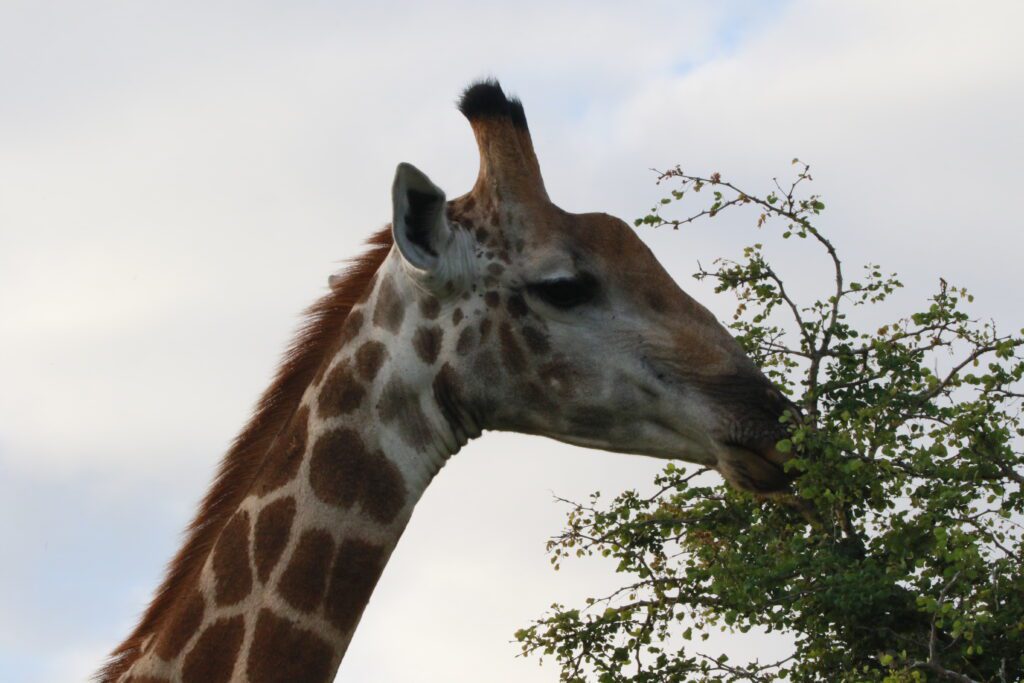
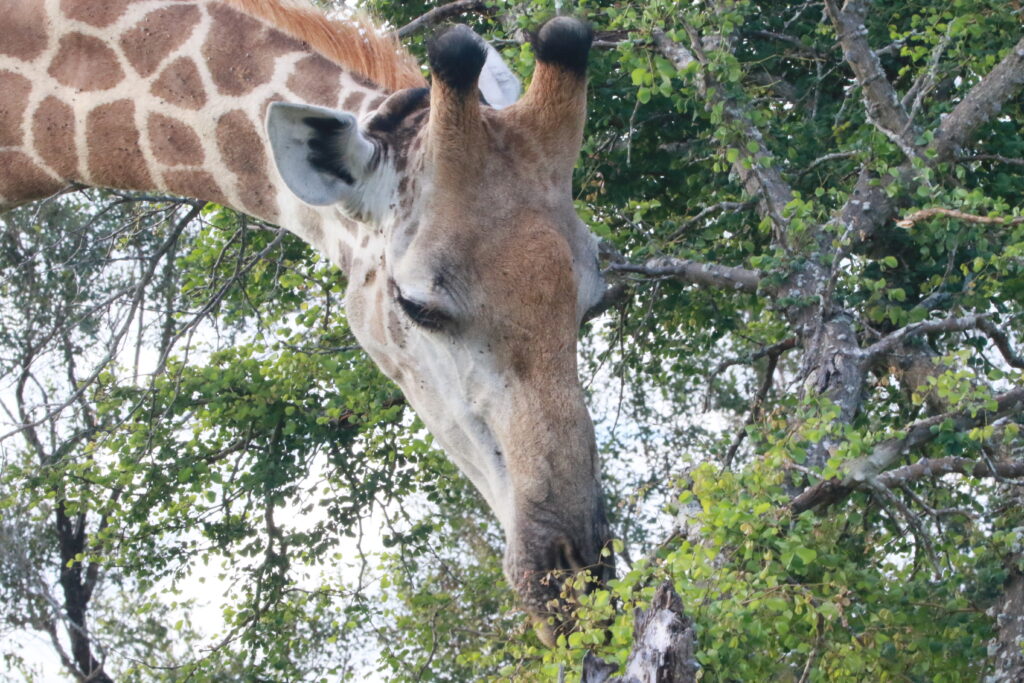
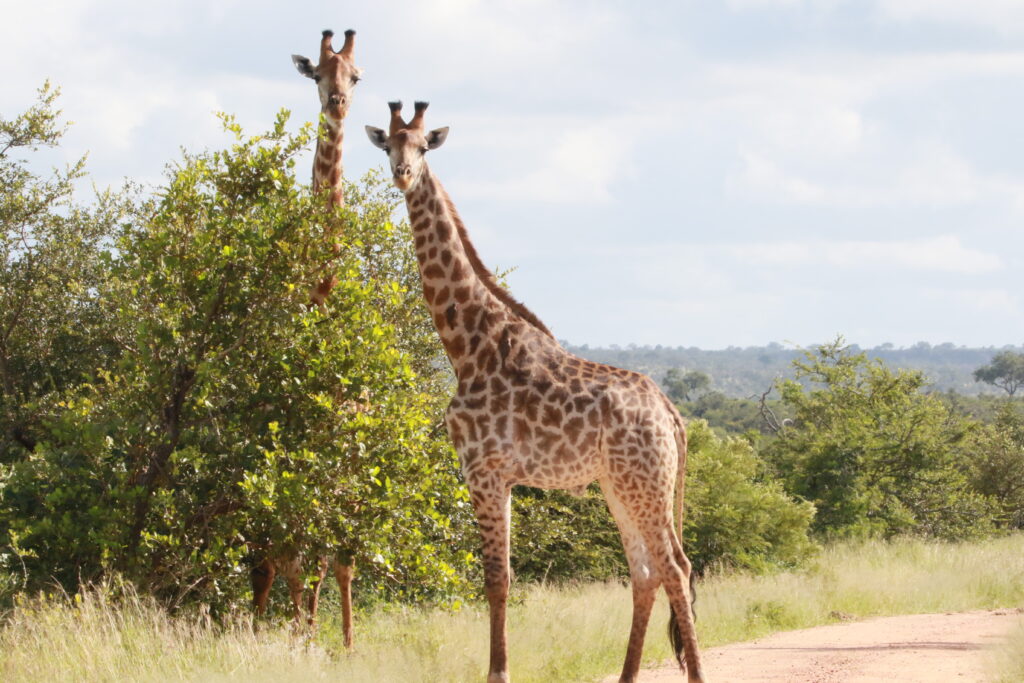
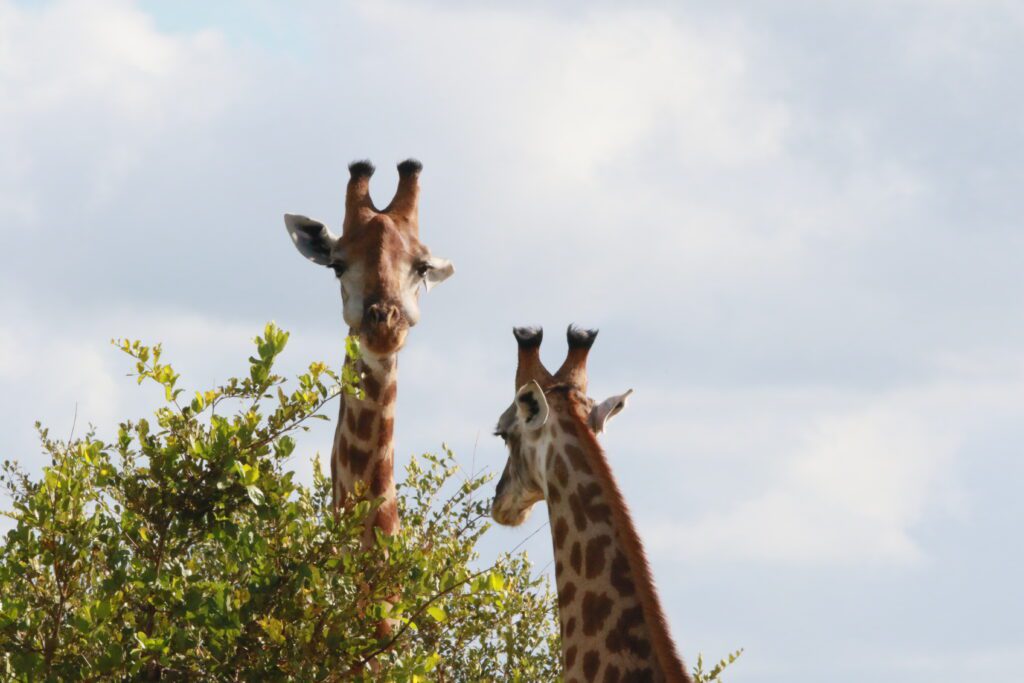
Giraffes on Mabula Game Lodge bring a sense of calm and quiet elegance to the landscape, often seeming untouched by the intensity that defines much of the bush. They glide slowly between trees, their long legs moving with a natural rhythm that feels almost effortless. There is no urgency in their movement, no sign of disturbance, just a steady, peaceful presence that contrasts beautifully with the more dramatic encounters of the reserve.
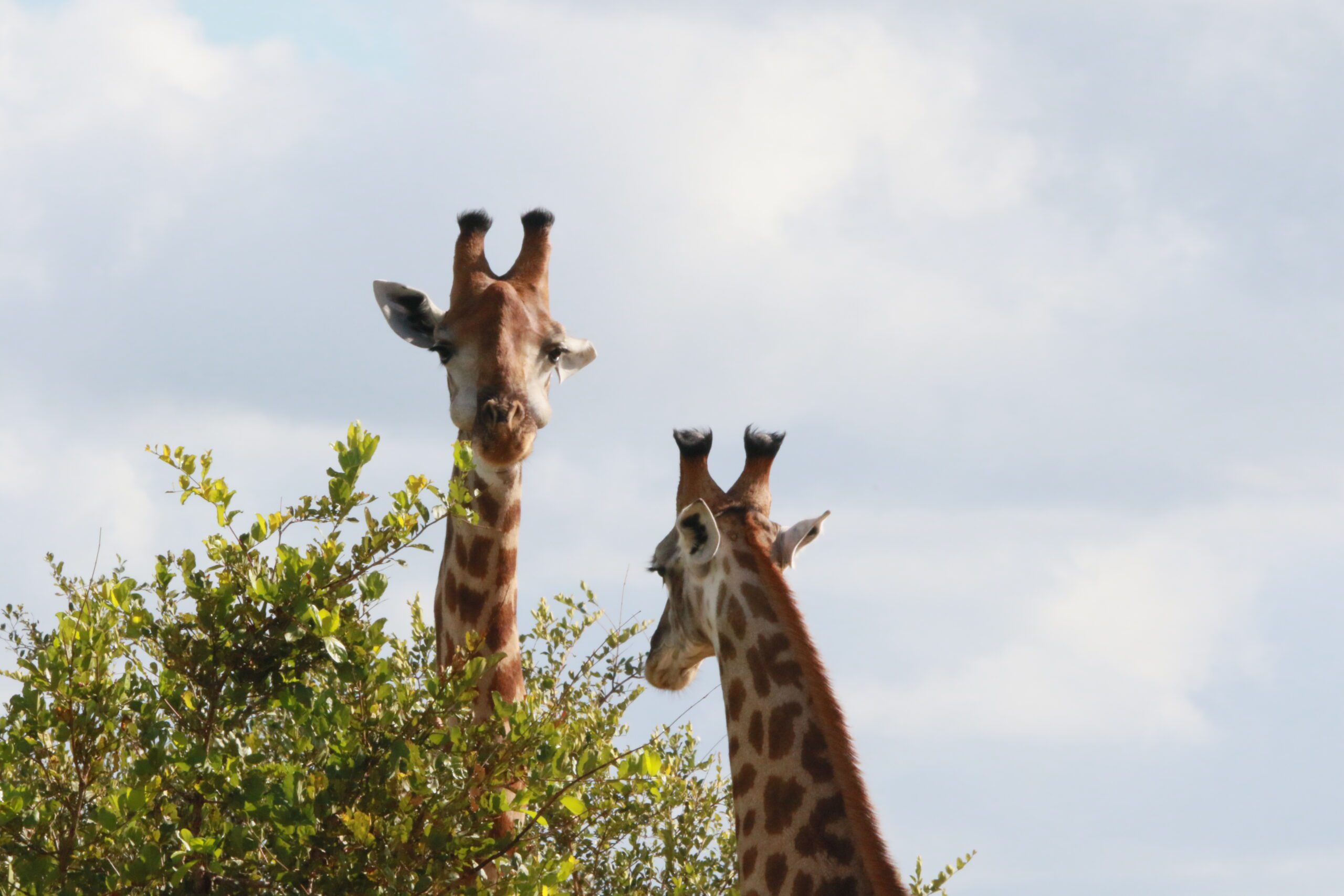
As browsers, giraffes feed selectively, using their remarkable height to access leaves and shoots far beyond the reach of other herbivores. Vachellia and Senegalia trees become their feeding grounds, where their long tongues and prehensile lips allow them to navigate even the thorniest branches with precision. This unique advantage gives them a niche within the ecosystem, allowing them to move through the bush with confidence and ease.
There is quiet intelligence in the way giraffes observe their surroundings. Their elevated perspective offers them a natural lookout over the landscape, often making them one of the first animals to detect movement or potential danger. Yet despite this awareness, they remain composed, rarely showing signs of panic, instead choosing to walk away slowly and gracefully when disturbed.
On Mabula, giraffes are often seen in loose groupings, moving together without the tight structure seen in other herd animals. These groupings shift and change, reflecting a relaxed social system that allows individuals to come and go freely. Calves remain close to their mothers, learning the rhythms of the bush, while adults move with quiet confidence shaped by experience.
Photographically, giraffes remain one of the most striking and rewarding subjects to observe, particularly during the golden hours of sunrise and sunset. As the soft light stretches across the plains, their long silhouettes are cast against the horizon, creating images that feel timeless. Whether standing still or moving slowly through the bush, they embody the essence of Africa in its purest form.
More than just a beautiful sighting, giraffes offer a moment of stillness within the safari experience. They invite guests to slow down, to observe, and to appreciate the quieter side of the wilderness. In a landscape often defined by action and intensity, giraffes remind us that there is equal beauty in calmness, patience, and grace.

Cheetahs – The Set Pacers of the Plains
Often found in the open areas of the reserve, cheetahs rely heavily on their exceptional eyesight to scan the landscape. From slight elevations or termite mounds, they pause, observe, and calculate. Every movement is deliberate, every decision measured. Unlike other predators that rely on strength or ambush, cheetahs depend on timing, positioning, and precision.
To watch a cheetah in this state is to witness pure focus. Before the chase even begins, there is a build-up, a moment where the cheetah locks onto its target, its body lowering slightly, muscles tightening, and attention narrowing. It is in this moment that the bush seems to hold its breath. Then, in an instant, that calm stillness transforms into explosive speed, as the cheetah launches into pursuit with unmatched acceleration.
Their ability to blend into the landscape, despite being in open areas, is a testament to their adaptability. They are both visible and invisible at the same time, present, yet subtle. On Mabula, these sightings offer more than just excitement; they provide insight into one of nature’s most specialized hunters, reminding us that success in the wild is not just about power, but about precision, patience, and perfect timing.
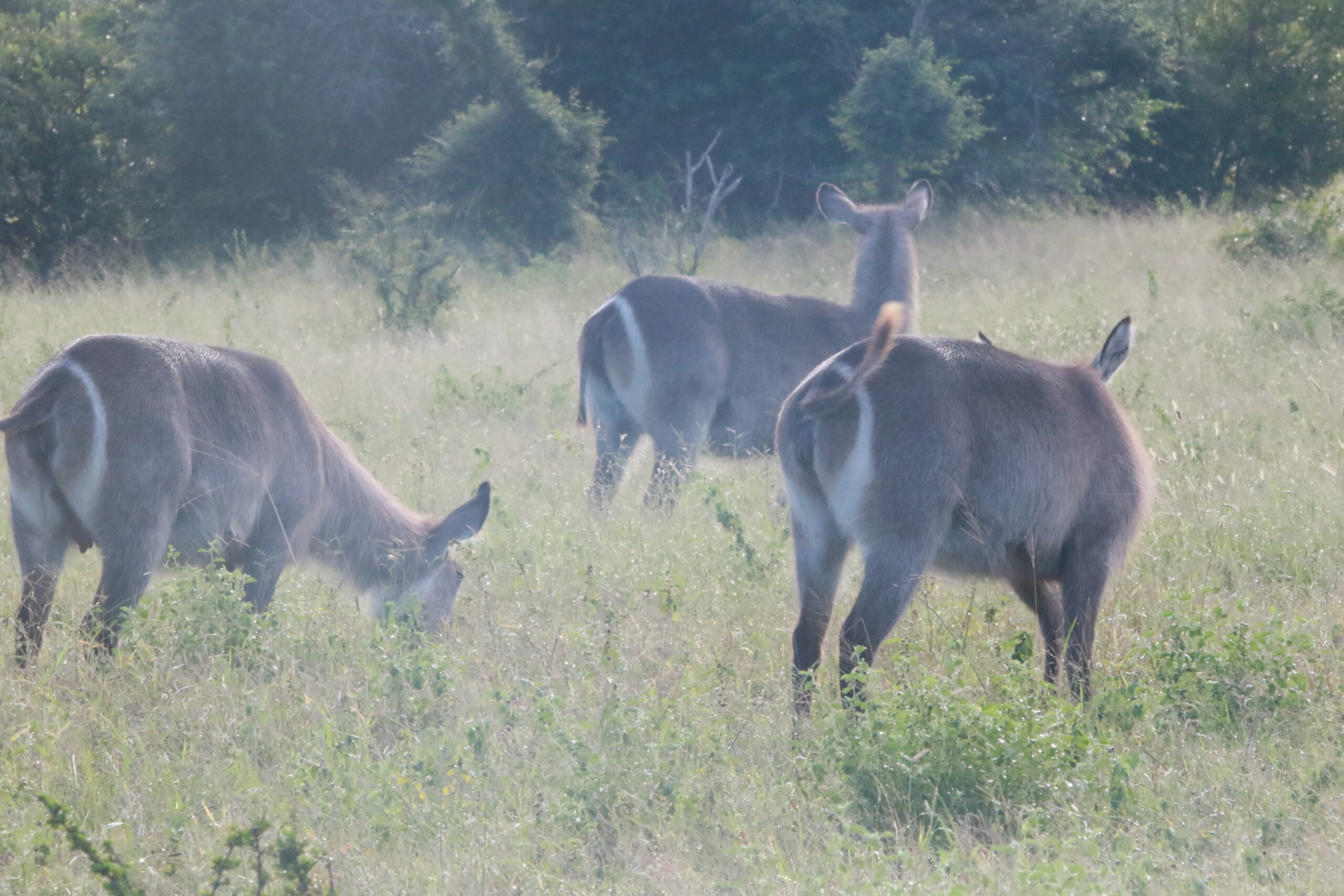
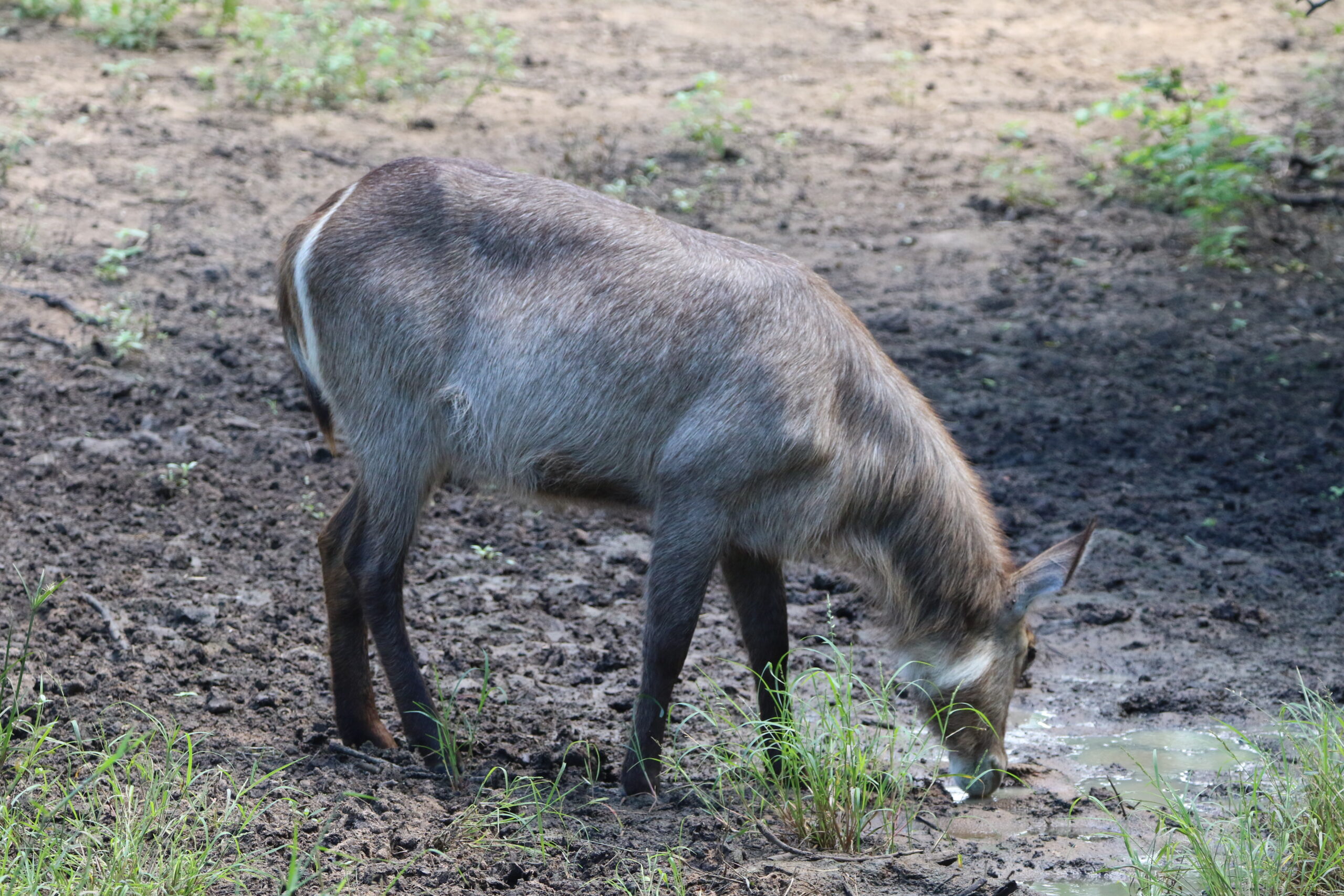
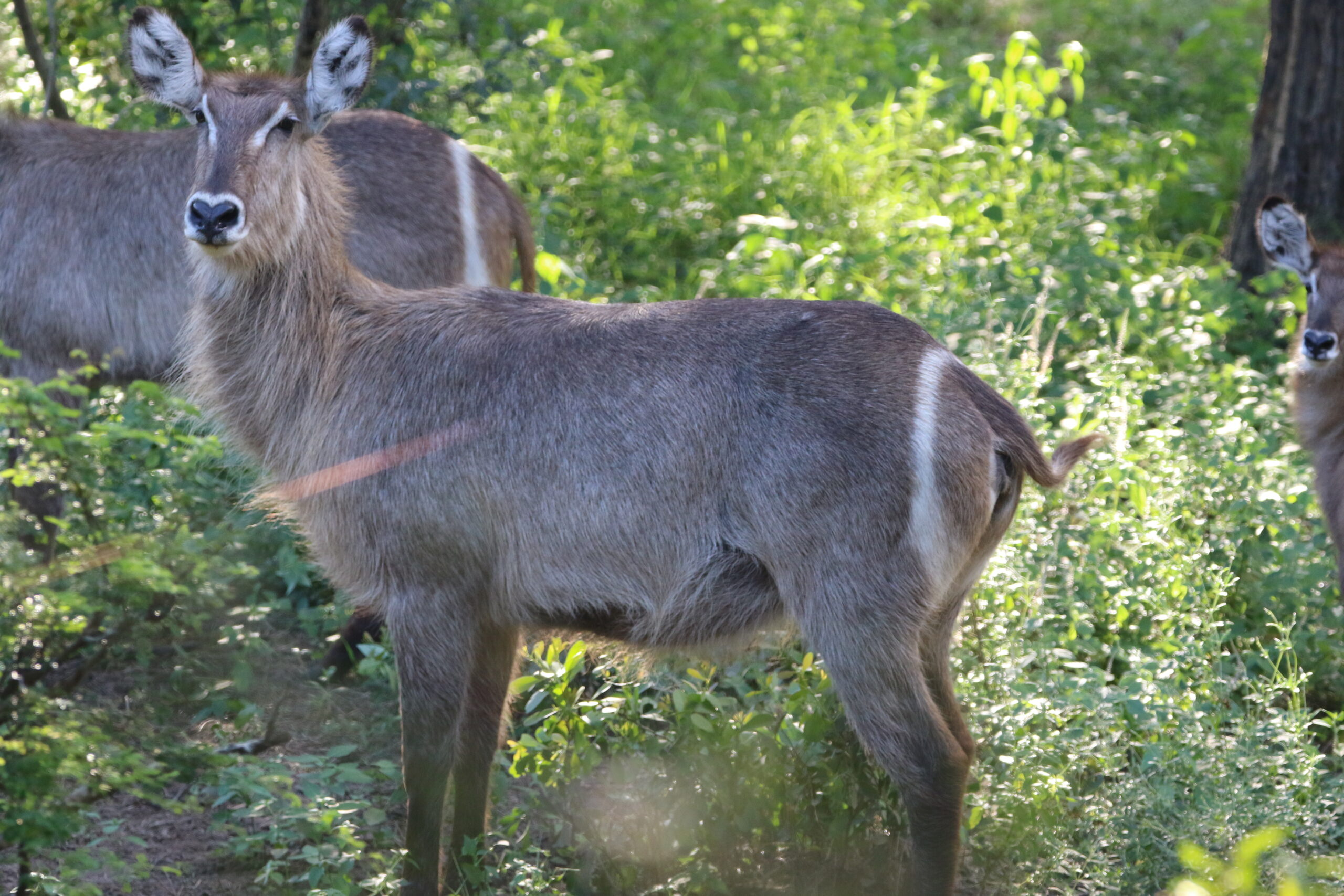
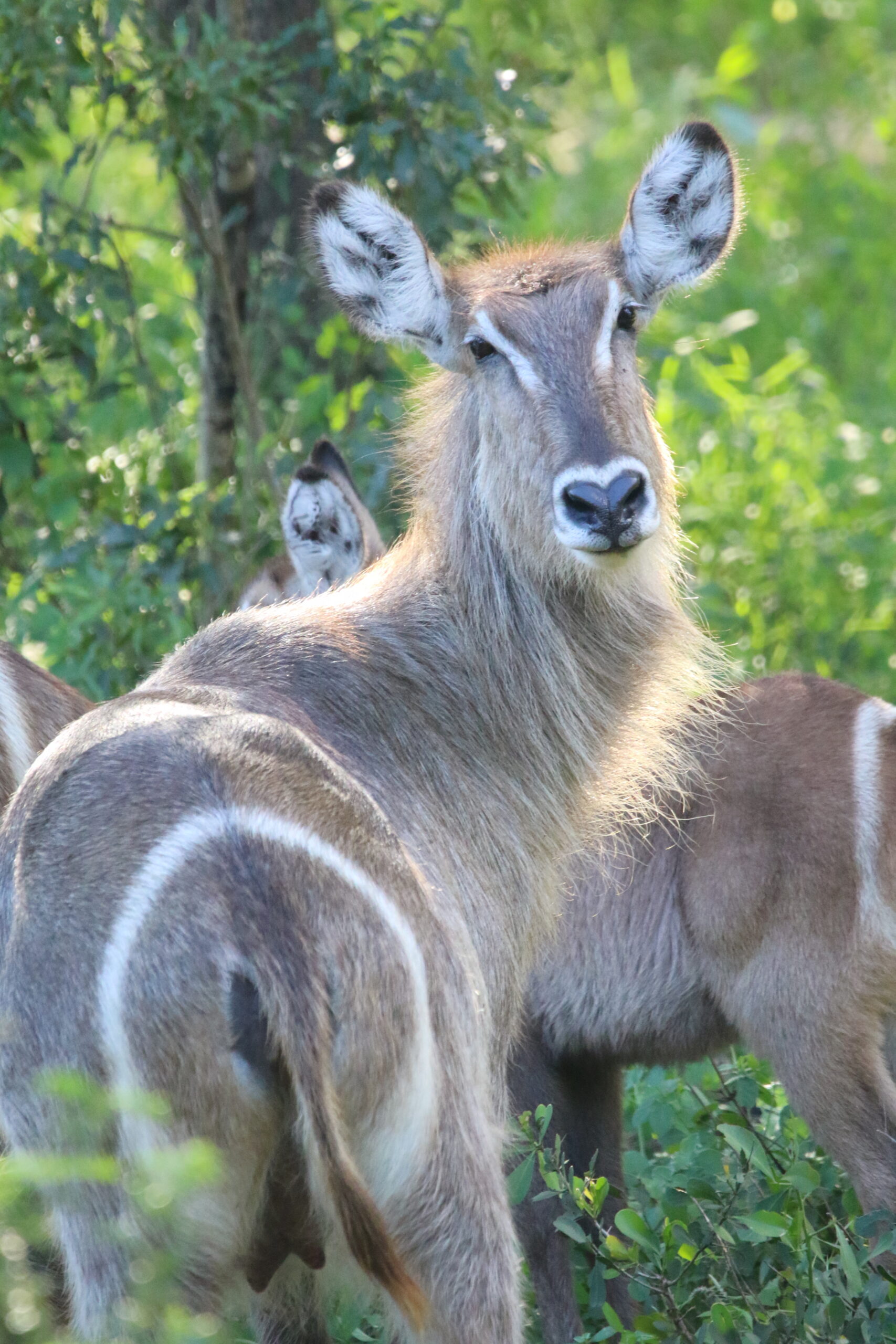
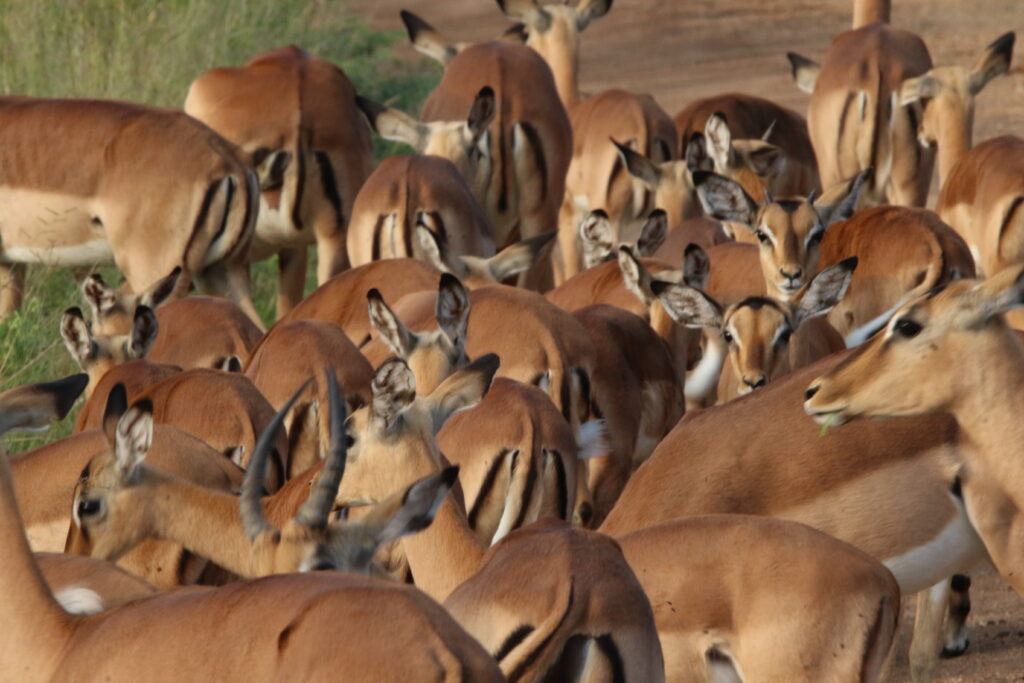
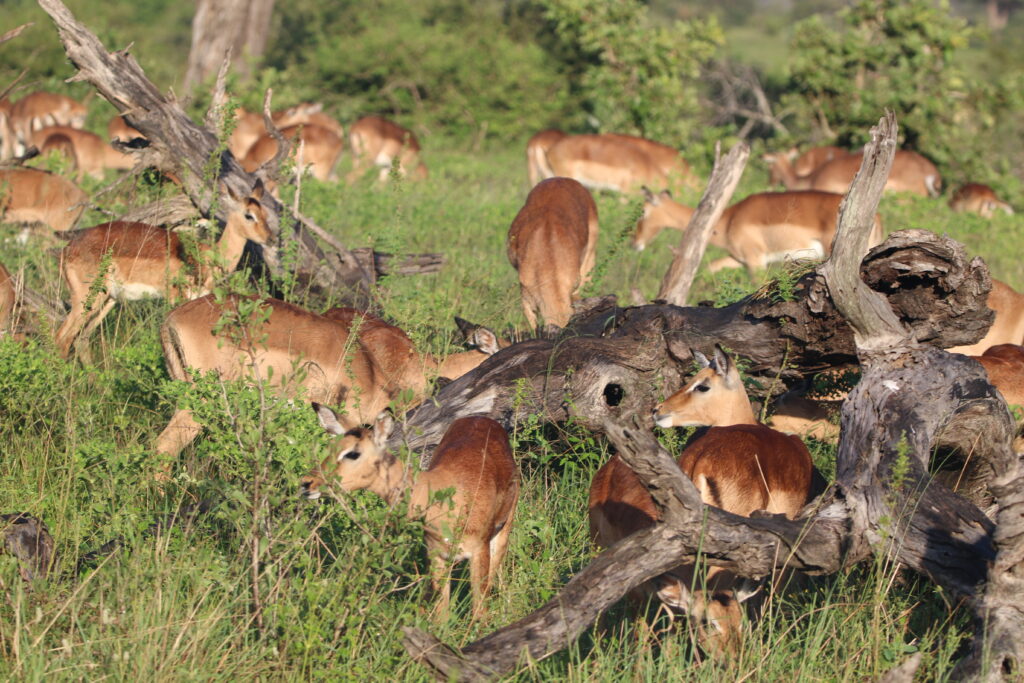
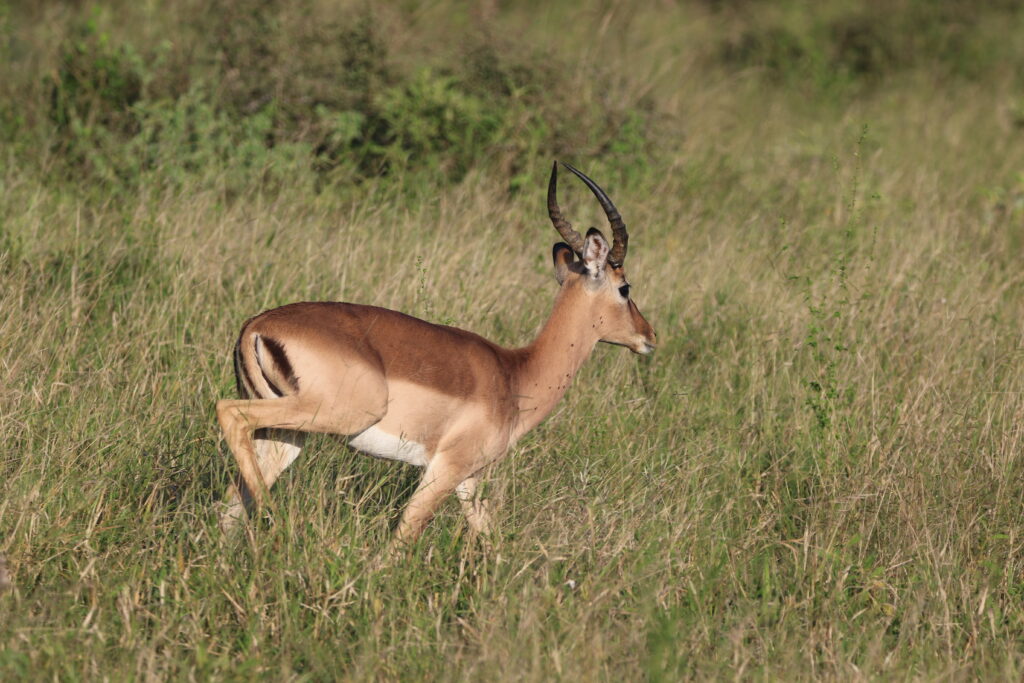
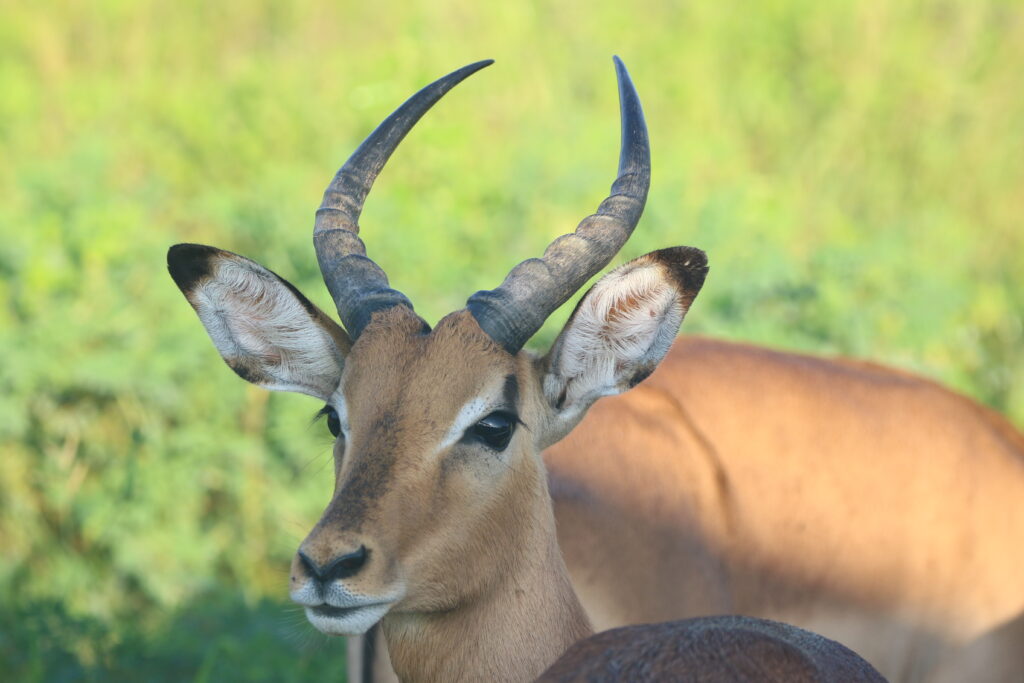
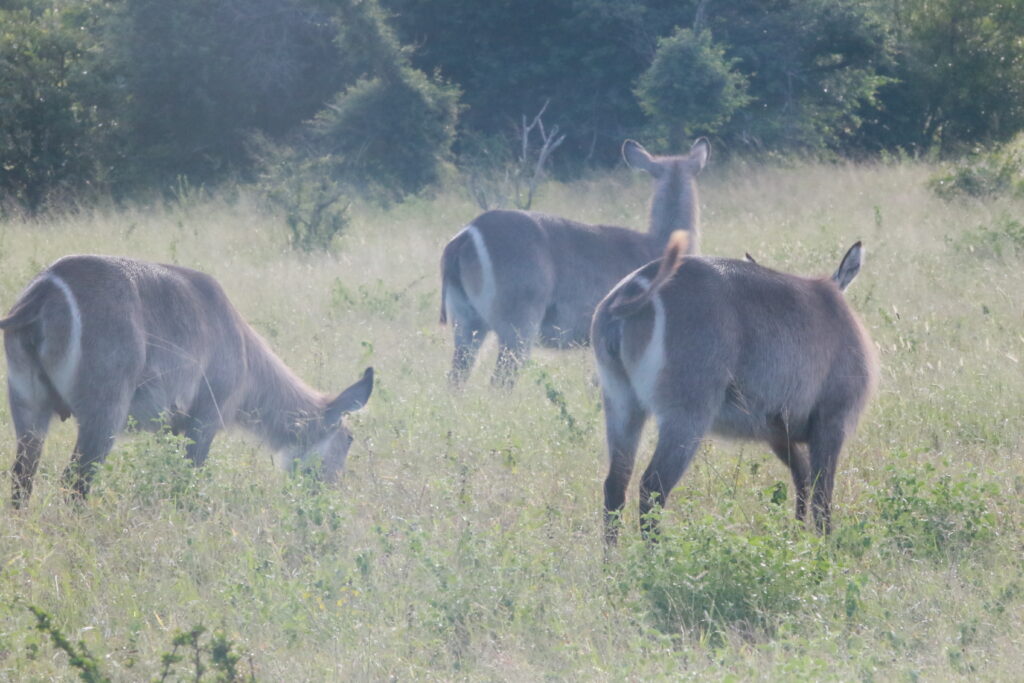
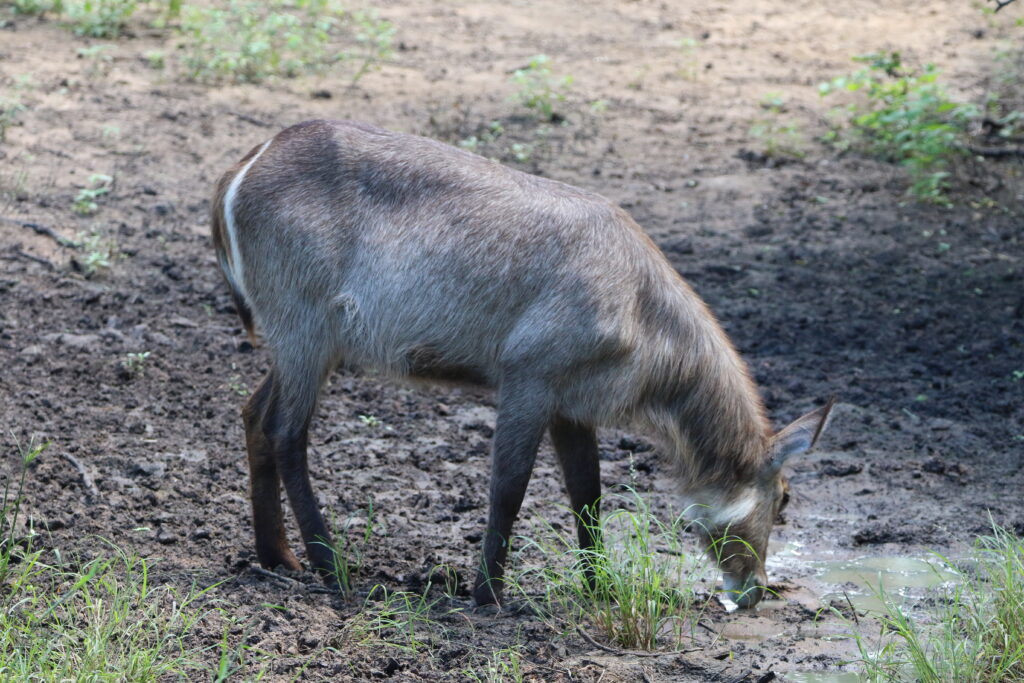
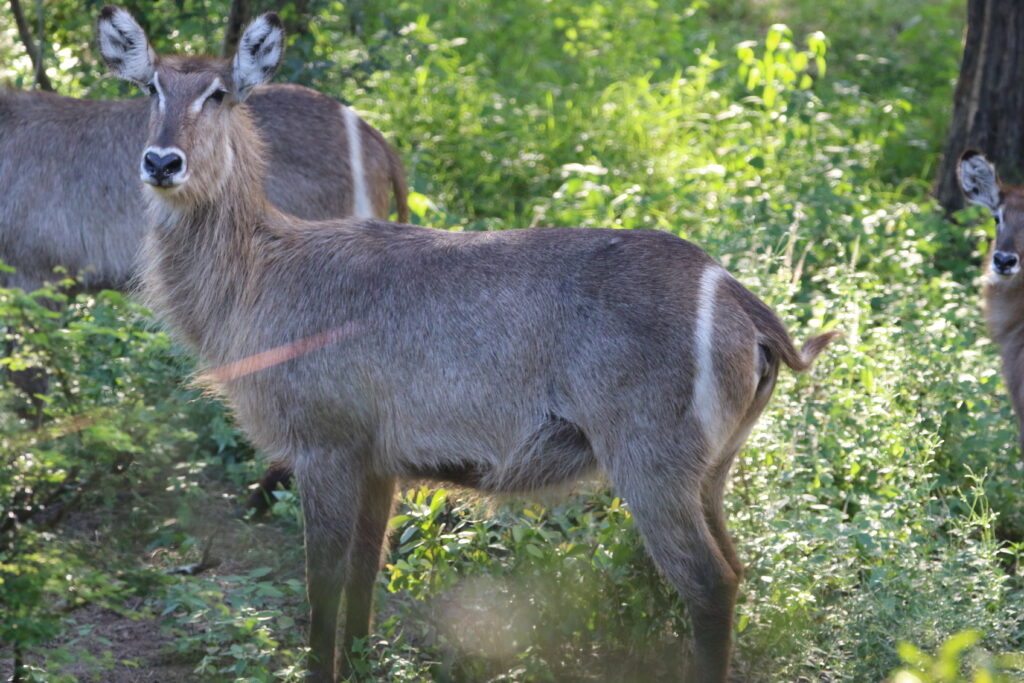
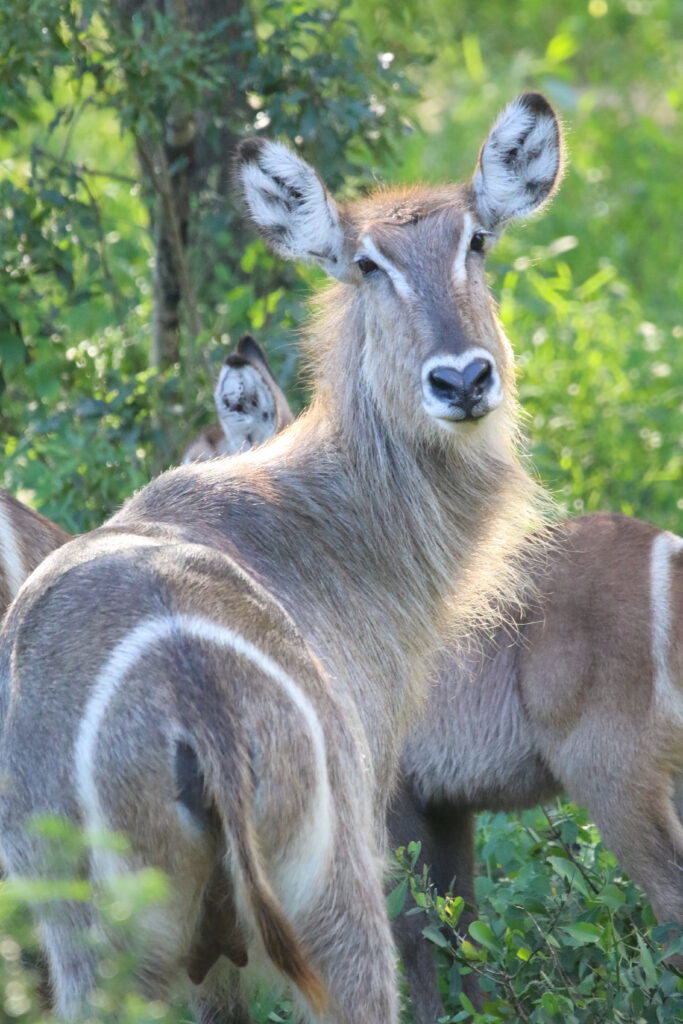
On Mabula Game Lodge, waterbucks are familiar and reassuring presence but very shy animals, most often found close to the reserve’s dams, gullies, and water-rich areas. Their preference for these habitats is not by chance, but a reflection of their deep dependence on water for survival. Unlike many other antelope species, waterbuck need to drink regularly, making them one of the few animals that rarely venture far from reliable water sources.
Waterbuck – White Butt Brown
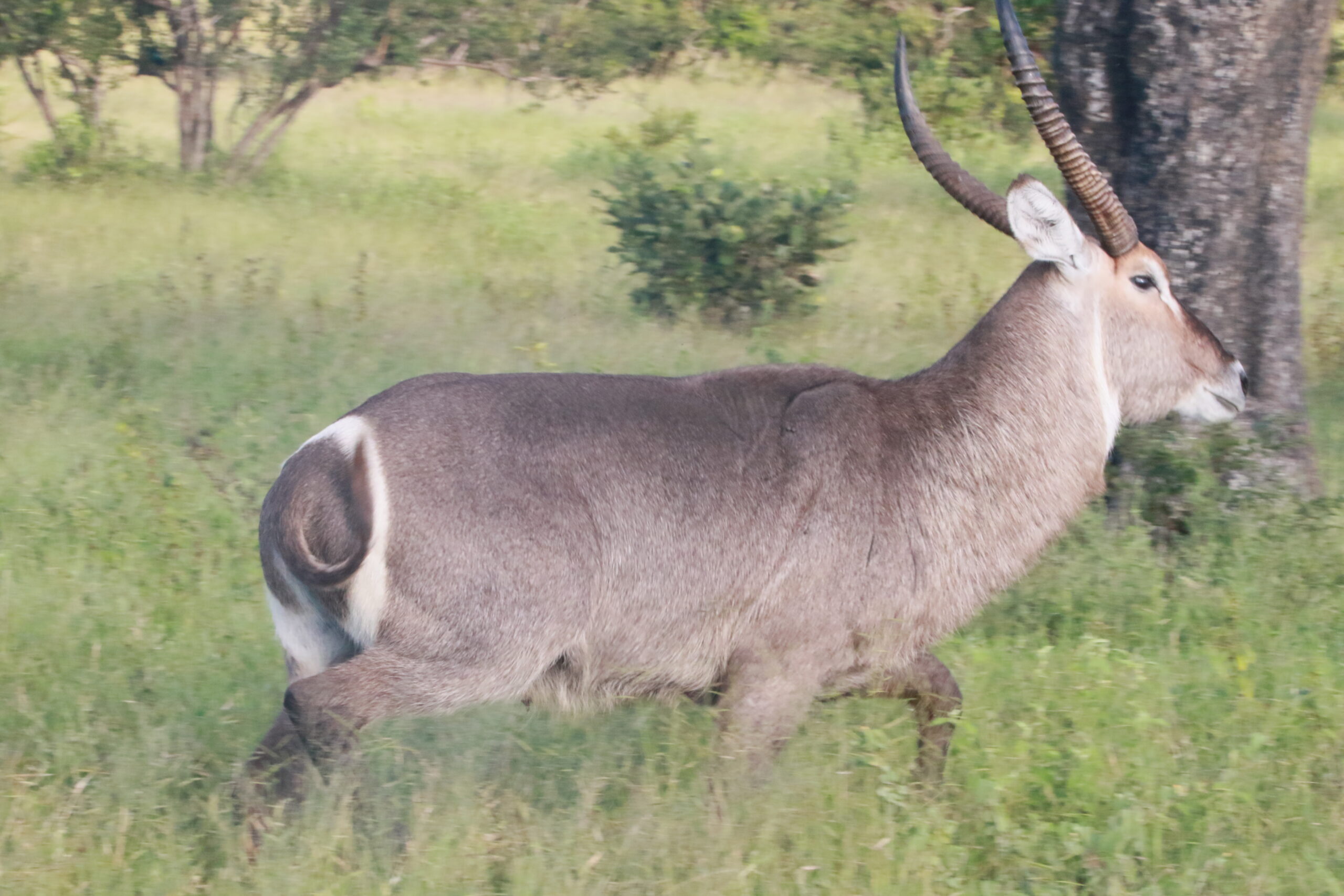
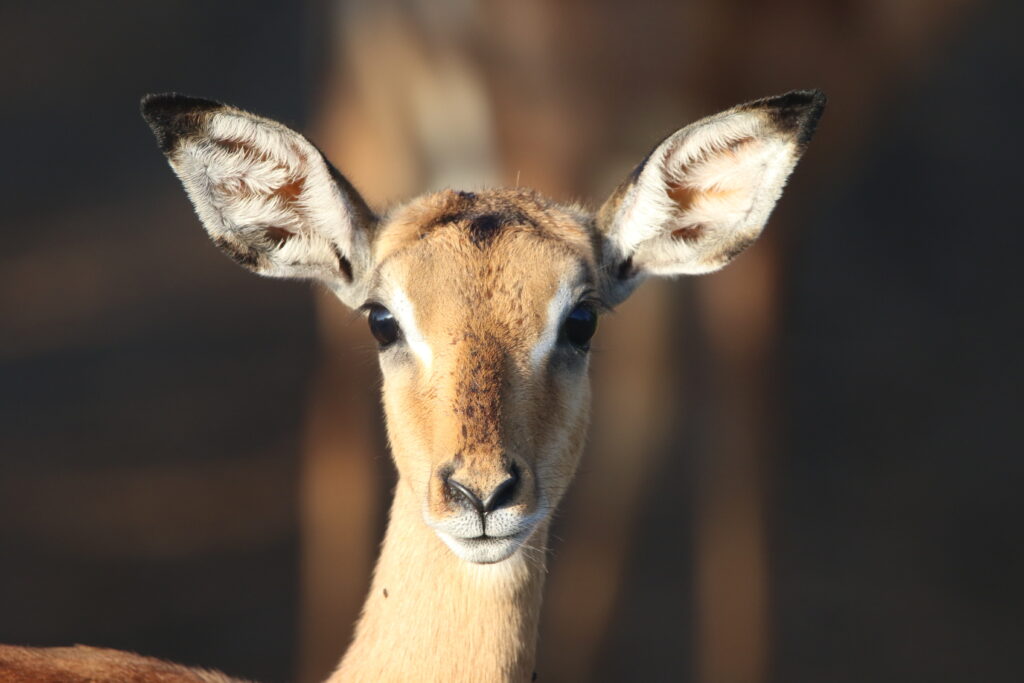
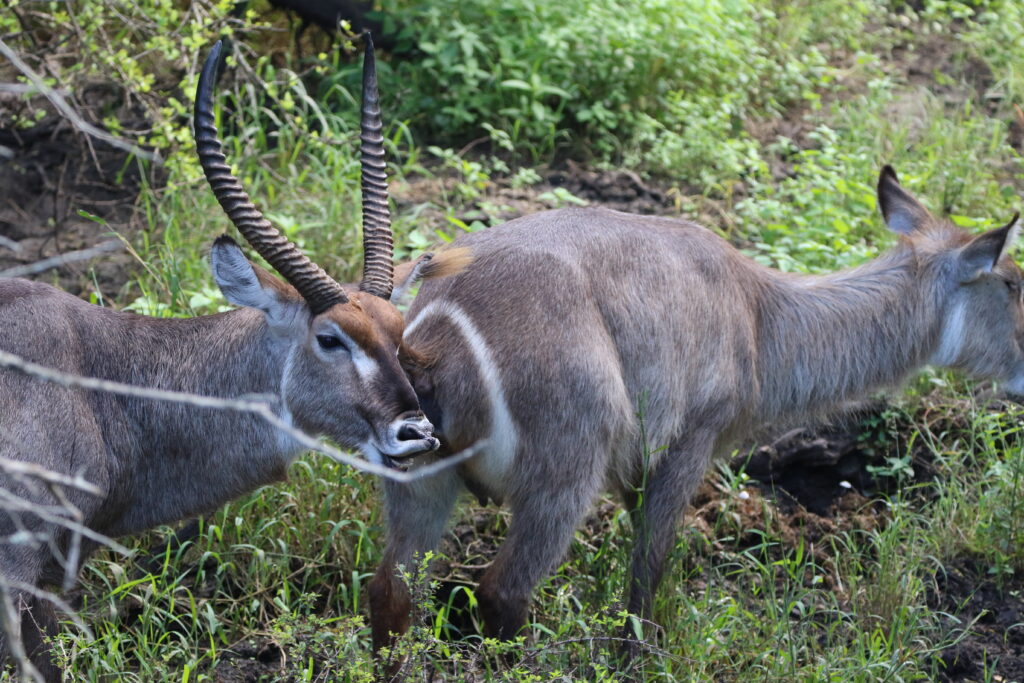
This strong association with water shapes not only where they are found, but how they behave. On Mabula, it is common to see waterbuck grazing calmly near the edges of dams or resting in the shade of nearby vegetation, always keeping close to their lifeline. These areas provide both hydration and a degree of safety, as the open spaces near water allow them to detect approaching predators more easily. Their appearance is distinctive and instantly recognisable. Waterbucks have a coarse, shaggy coat that varies in colour from grey, brown to a rich, earthy tone. One of their most notable features is the white ring on their hindquarters, often referred to as the “toilet seat,” which makes identification easy even from a distance. This marking is particularly useful in dense vegetation, helping individuals keep visual contact within the herd.
The texture of their fur is not just for appearance; it serves an important biological function. Waterbucks secrete an oily substance through their skin, which coats their fur and gives it a slightly greasy feel. This natural oil acts as a form of protection, helping to repel water when they move through wet environments and offering a degree of defence against parasites. However, this same oily coating also gives waterbuck a distinctive smell, which can make them less desirable prey for some predators. While they are still hunted, particularly by lions, this scent can sometimes provide a slight advantage in reducing predation pressure compared to other antelope species. It is a unique adaptation that highlights how specialised their survival strategies are.
In terms of feeding behaviour, waterbuck are primarily grazers, feeding mainly on medium to coarse grasses. They are considered bulk grazers, meaning they consume large quantities of grass to meet their nutritional needs. Their digestive system is well adapted to process this type of vegetation, allowing them to thrive in areas where grass is abundant, especially around water sources. Here at Mabula, we have seen feeding during the cooler parts of the day, early mornings and late afternoons, when temperatures are more comfortable. During the heat of the day, they tend to rest in shaded areas, conserving energy and avoiding unnecessary movement. This daily rhythm reflects a balance between feeding efficiency and energy conservation.
Socially, waterbucks are typically found in small herds, often consisting of females and their young, while dominant males establish territories near water. These males will defend their chosen areas, ensuring access to both grazing and water for the females within their territory. This territorial behaviour is closely linked to the availability of water, reinforcing its importance in their lives.
Their reliance on water also makes them a key species within the ecosystem. By concentrating around water sources, they contribute to grazing pressure in these areas, which in turn influences vegetation patterns and supports a variety of other species. They form part of a complex web of interactions that keeps the ecosystem balanced and functioning.
To observe waterbuck on Mabula is to gain insight into a species that is perfectly adapted to its environment. Their calm presence, combined with their unique physical and behavioural traits, makes them an important and often underappreciated part of the safari experience. They remind us that survival in the bush is not only about strength or speed, but about adaptation, resilience, and understanding the landscape in which you live.

Birdlife on Mabula Game Lodge
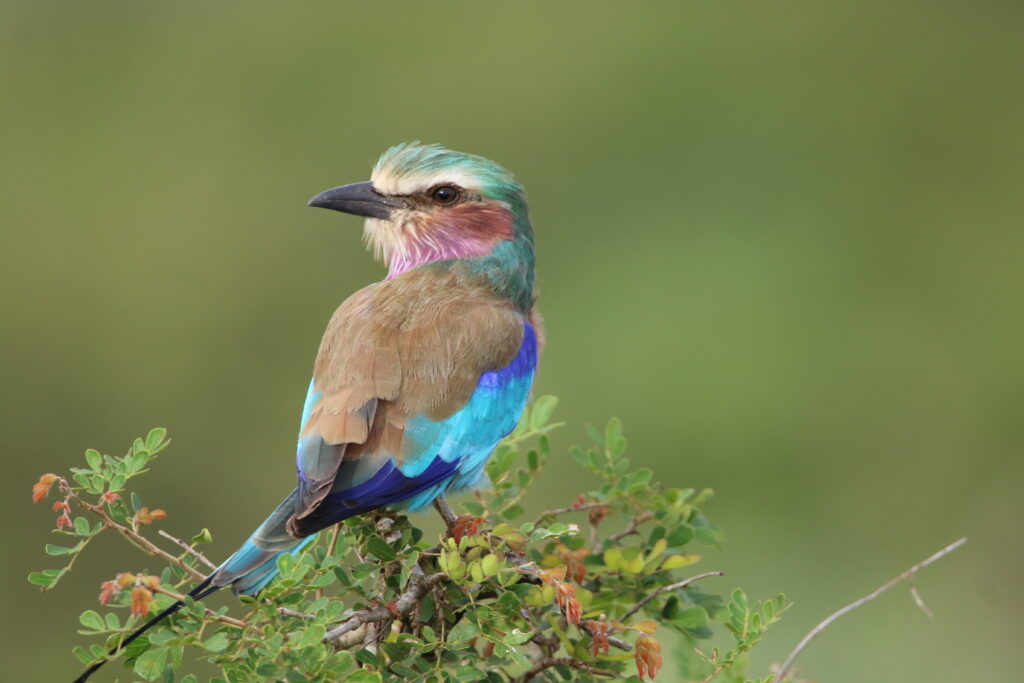
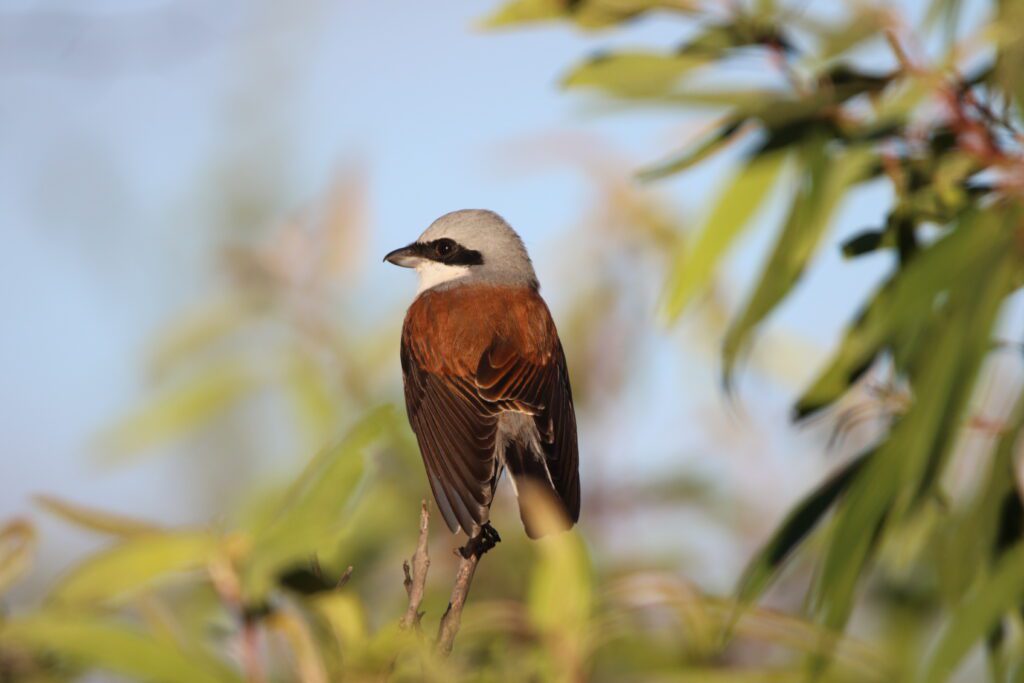
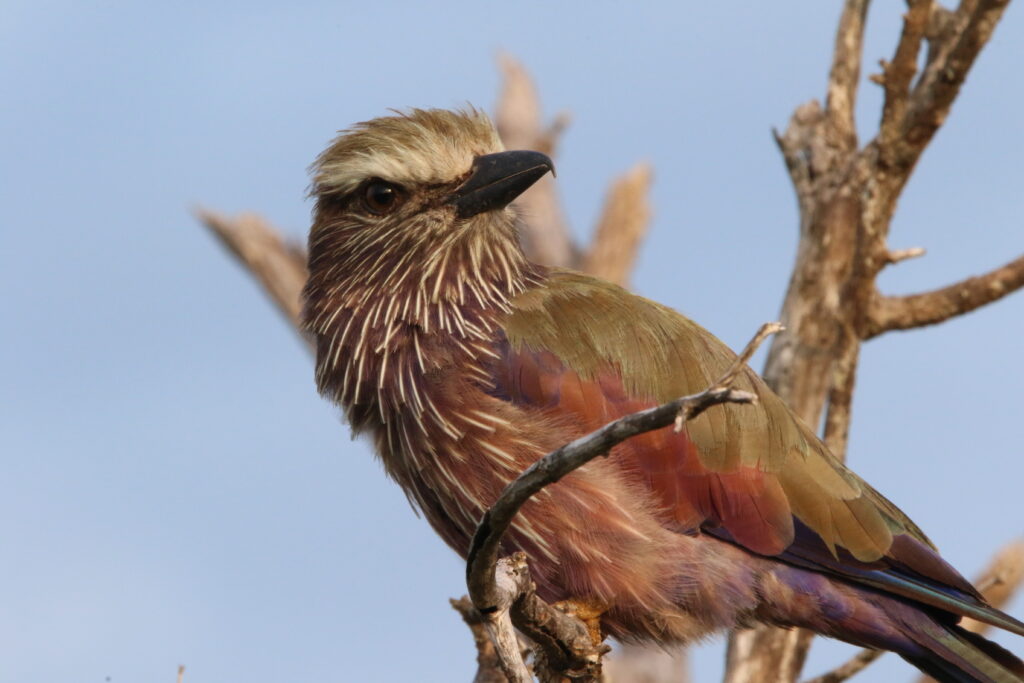
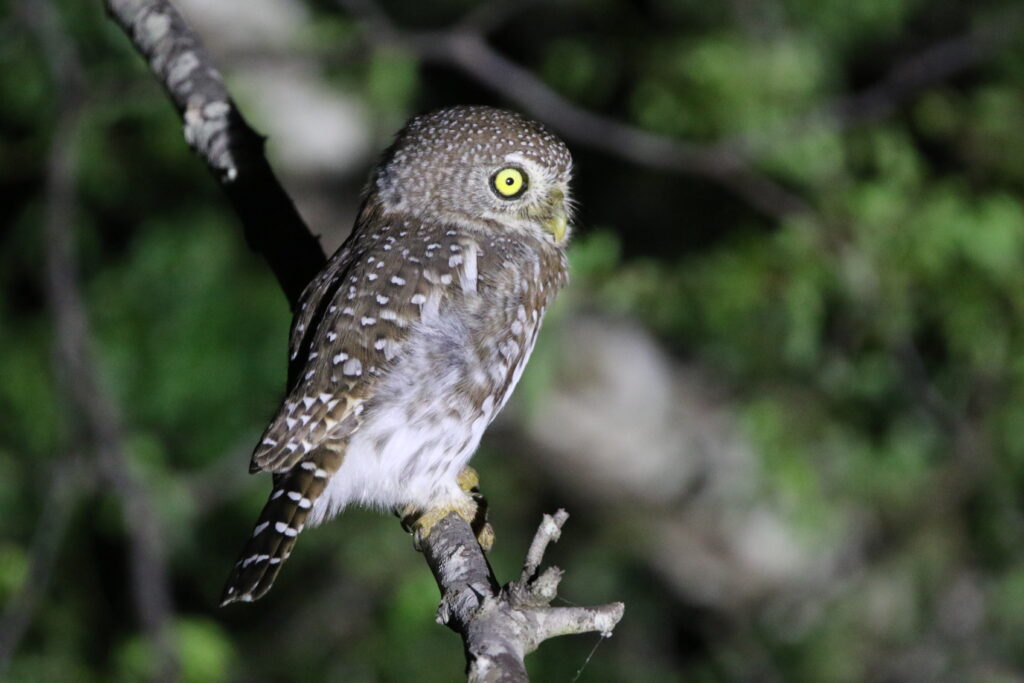
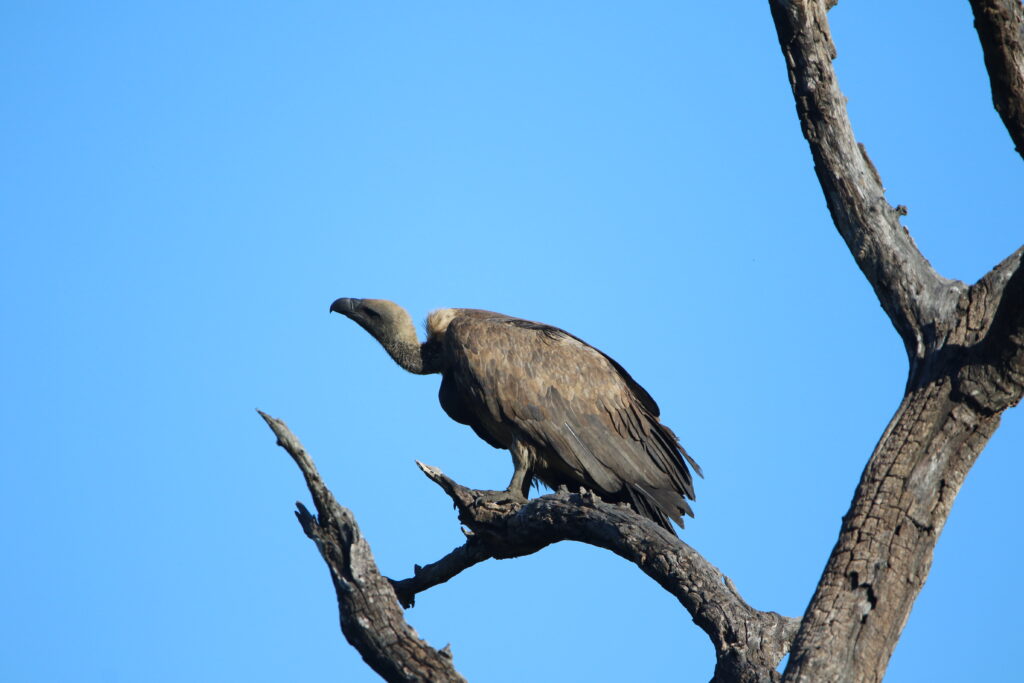
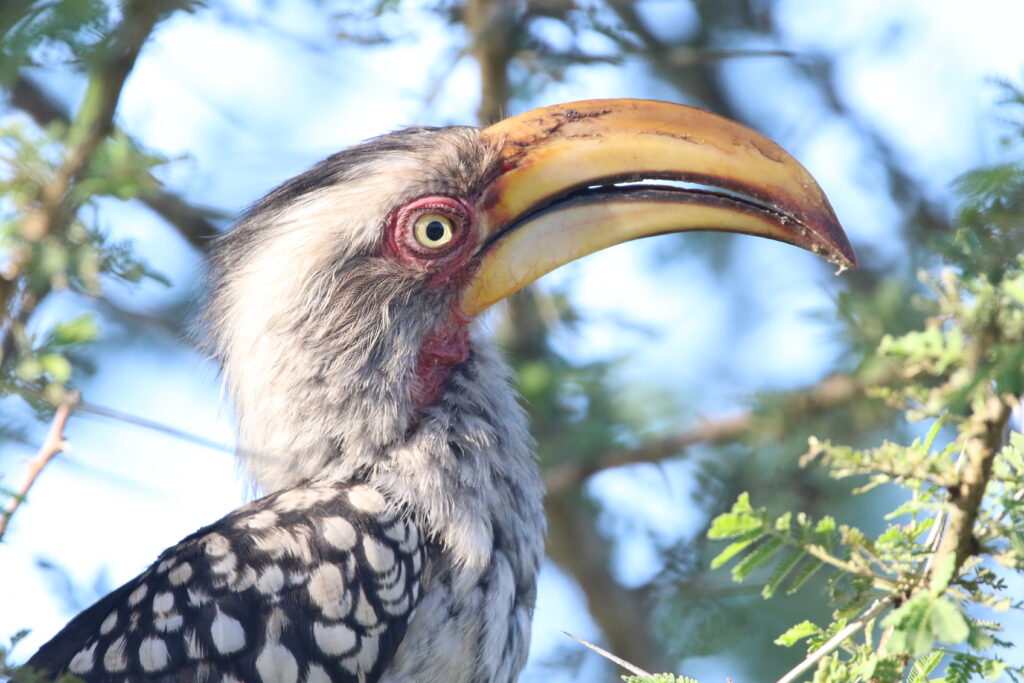
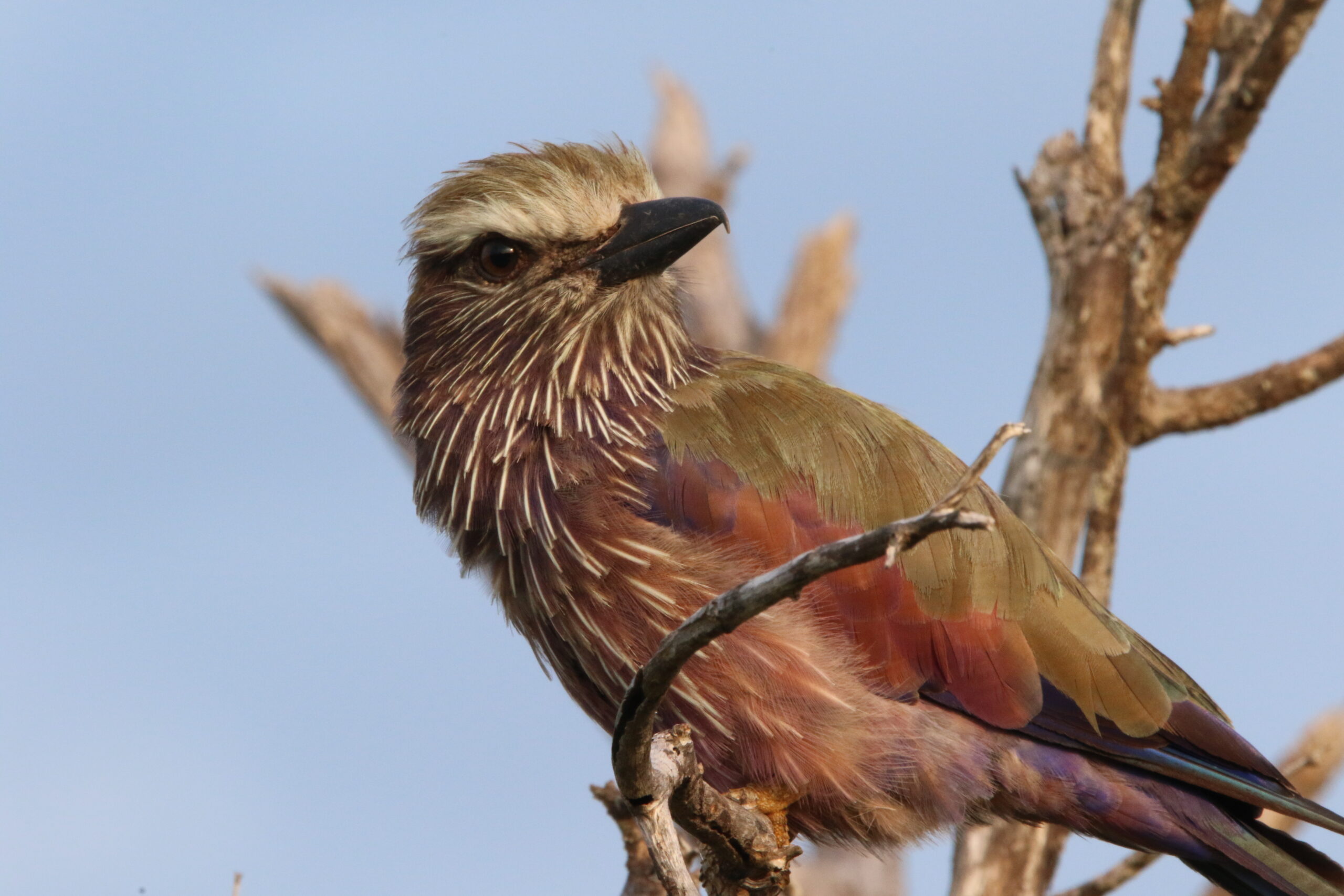
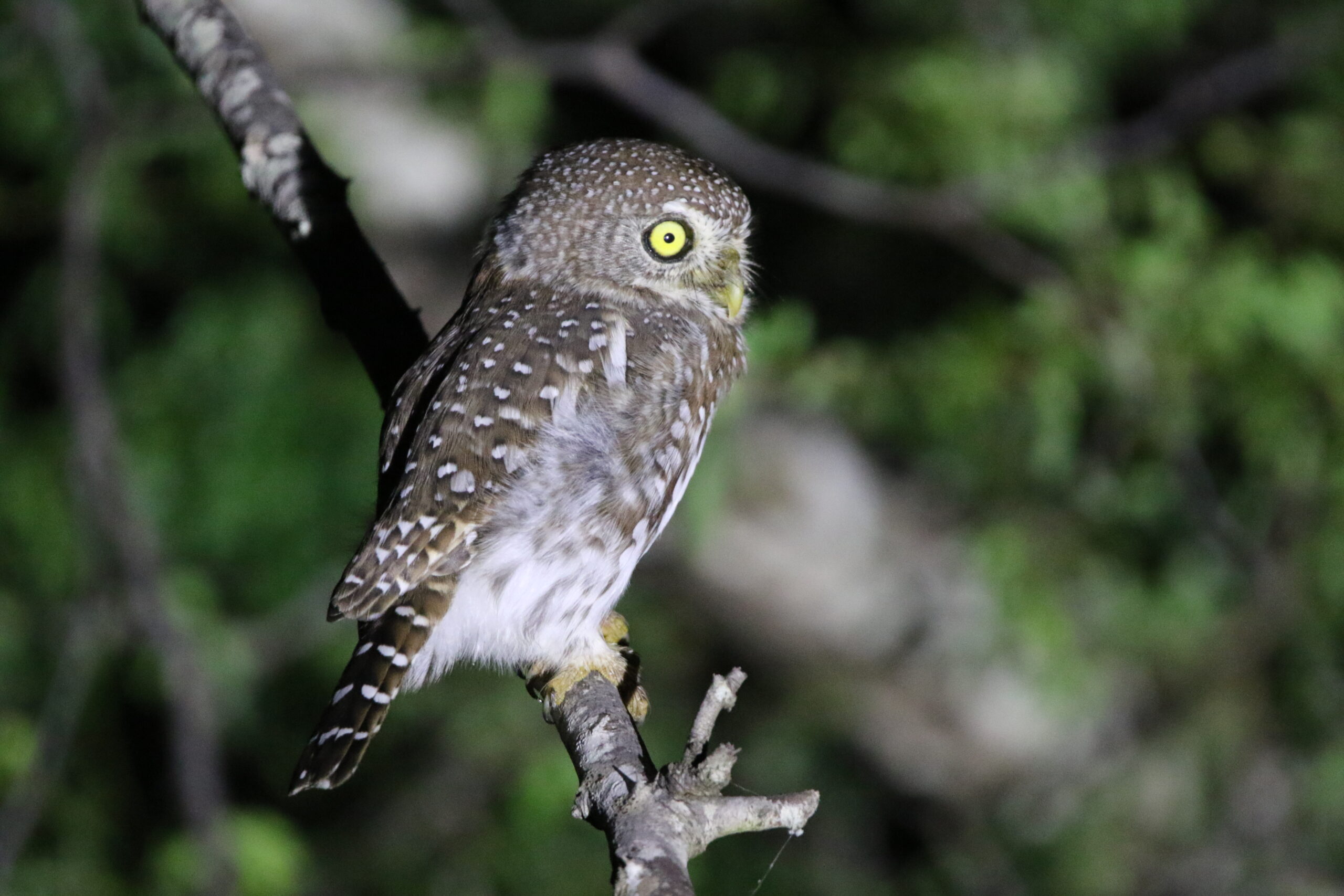
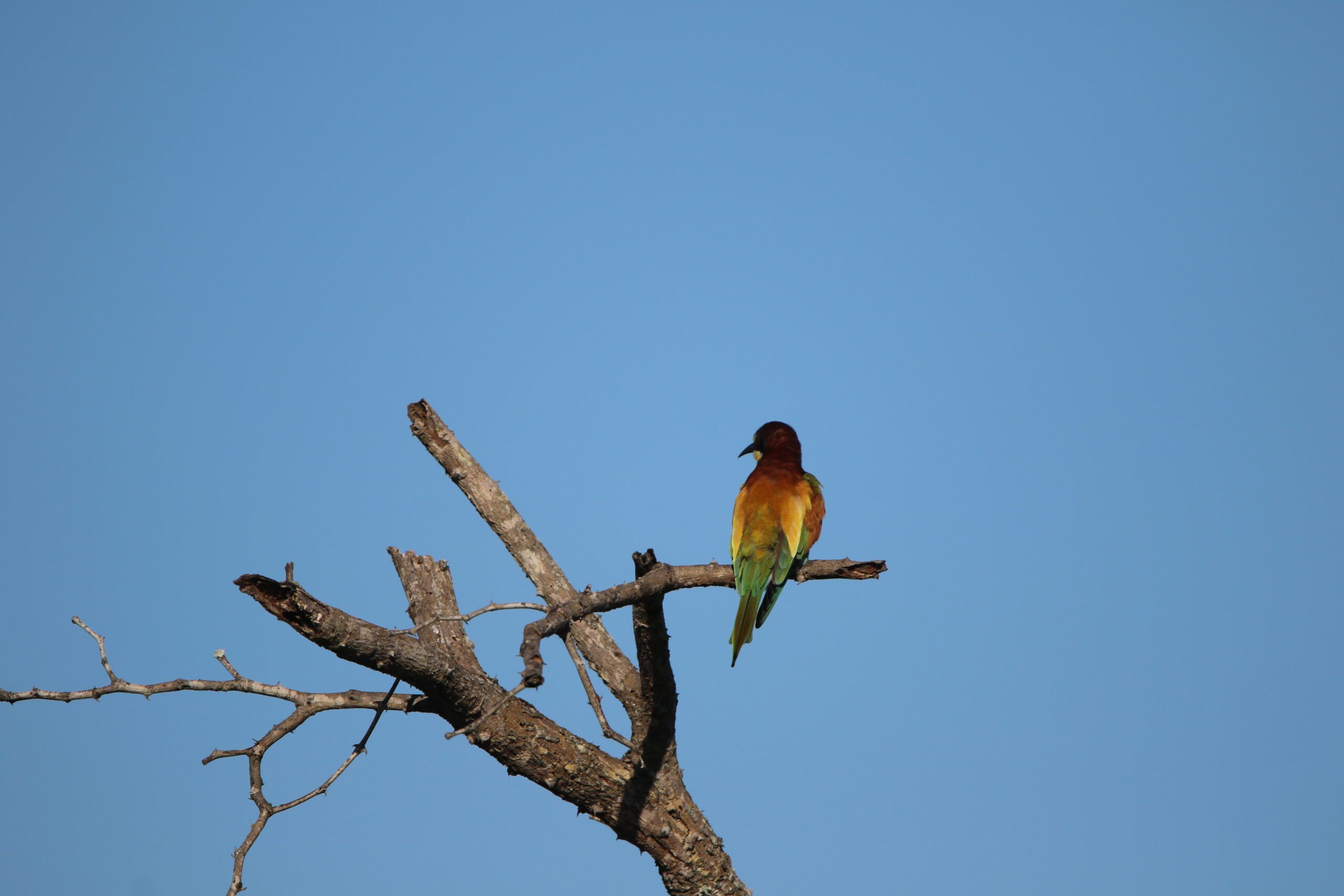
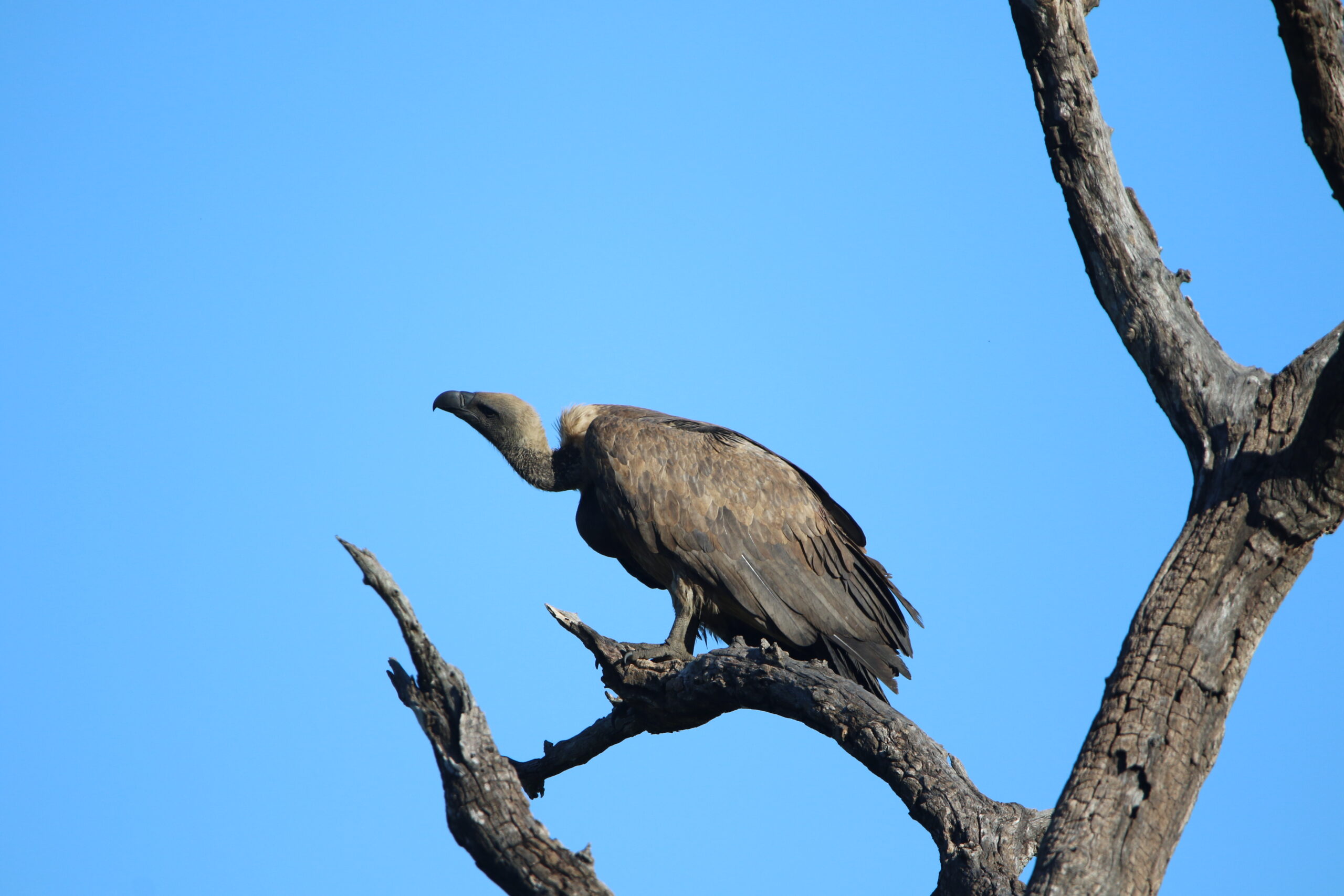
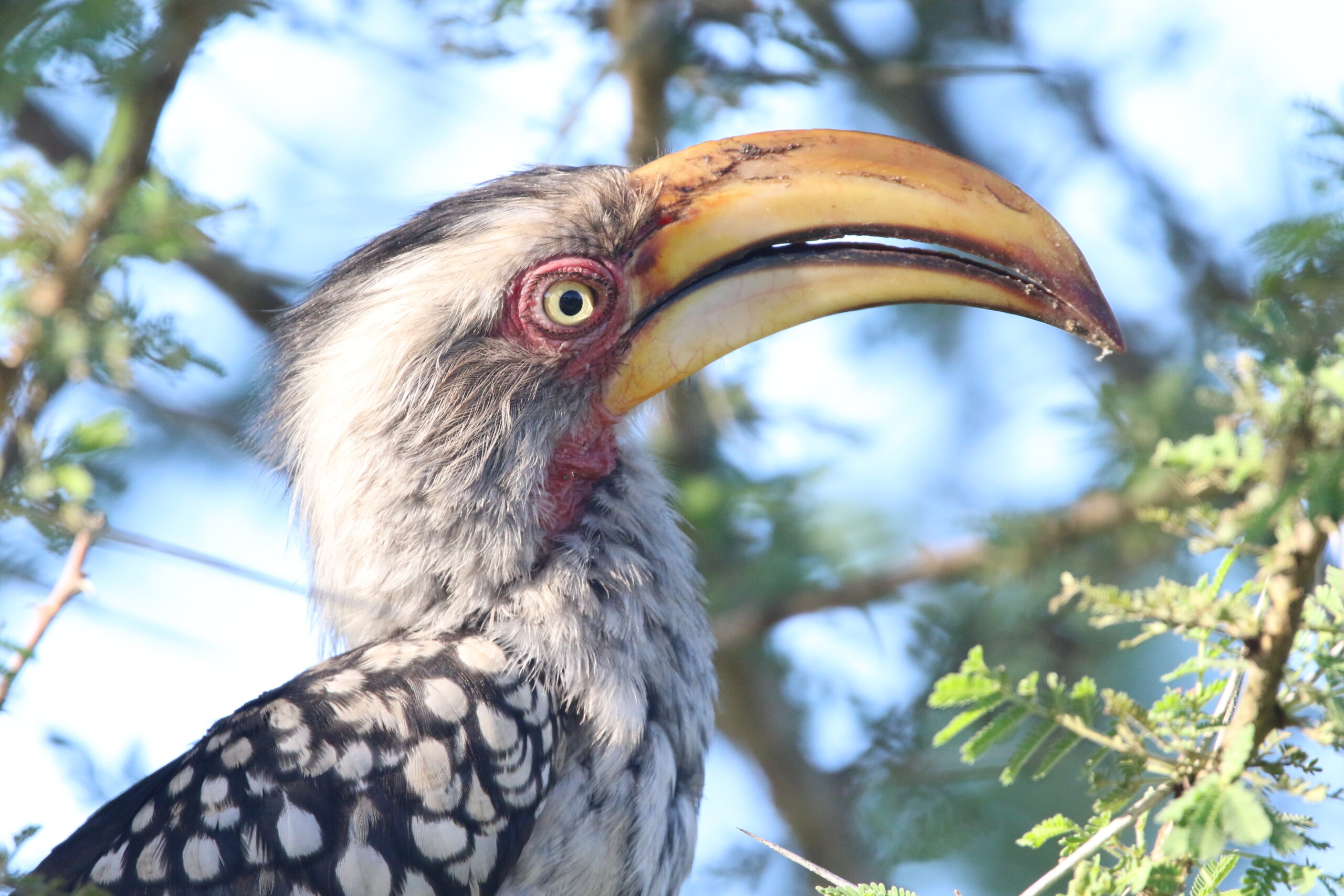
Birdlife on Mabula Game Lodge adds a dynamic and ever-changing layer to the safari experience, with each season bringing its own unique variety of species and behaviours. As April marks the transition from summer into the cooler months, the skies and trees begin to reflect a subtle but important shift, one driven by migration.
Many of the birds seen on Mabula during the summer months are migratory species, having travelled vast distances from regions as far as Europe and Asia to take advantage of the warmer climate and abundant food supply. During summer, the bush is rich with insects, fruit, and water, creating ideal conditions for feeding and breeding. For these birds, Mabula becomes a seasonal haven where they can raise their young and thrive. As winter approaches, however, these conditions begin to change. Insect populations decrease, temperatures drop, and food becomes less abundant.
For migratory birds, remaining in one place would mean facing increasing challenges in finding enough nourishment. Migration, therefore, becomes a survival strategy, a necessary journey to follow favourable conditions and ensure their continued survival. These migrations are nothing short of remarkable. Guided by instinct, environmental cues, and even the position of the sun and stars, birds undertake journeys that span thousands of kilometres. Despite their size, they navigate with incredible precision, returning year after year to the same regions, including Mabula, as the seasons change. At the same time, not all birds migrate. Many species on Mabula are resident birds, remaining on the reserve throughout the year. These birds are well adapted to local conditions, able to adjust their feeding habits and behaviour according to seasonal changes. They may switch diets, move between habitats within the reserve, or reduce their activity during colder periods, allowing them to survive without the need to migrate.
The presence of both migratory and resident birds creates a rich and diverse birding experience on Mabula. It highlights the adaptability of wildlife and the intricate balance of nature, where each species has developed its own strategy for survival. Whether arriving from distant lands or remaining through changing seasons, birds continue to fill the reserve with movement, colour, and song, a reminder that the bush is always alive, always changing, and always connected to a much larger world.